

Last Updated on March 2, 2026 by Arlena Whitford
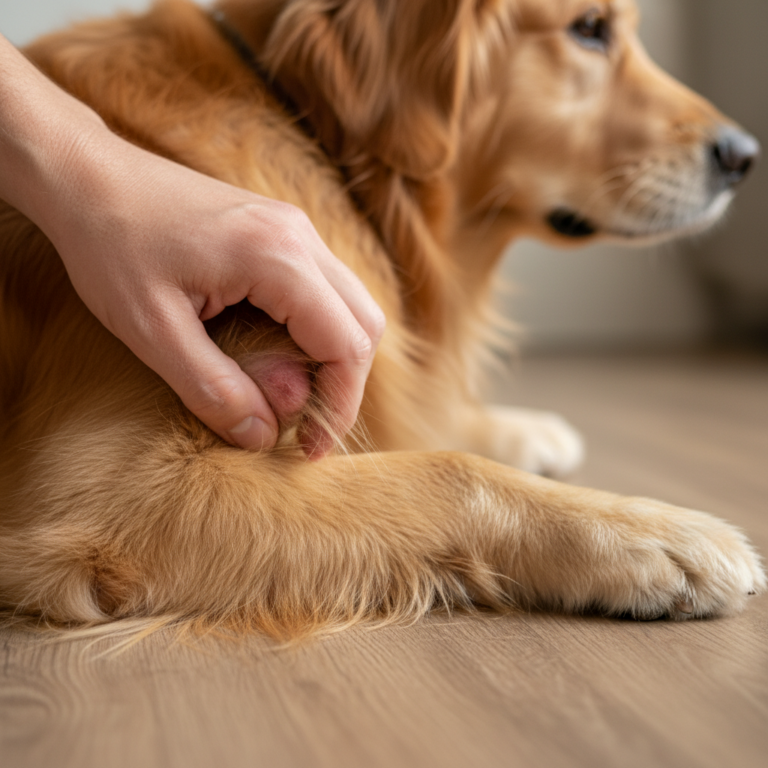
A dog allergy food trial is the gold standard for diagnosis, but I see up to 15% of cases botched. The itching never stops. The vet bills pile up. And that new food you tried last month? It probably still had the same old trigger. Here’s a clear, no-nonsense roadmap to do it right.
At-a-Glance: Clinical Summary
What Is a Dog Allergy Food Trial, Really?
It’s a systematic hunt. You eliminate potential allergens from your dog’s diet to pinpoint the culprit. This isn’t just swapping kibble brands. It’s a deliberate, narrow process to end your dog’s discomfort.
Step 1: Understanding the Pervasive Triggers
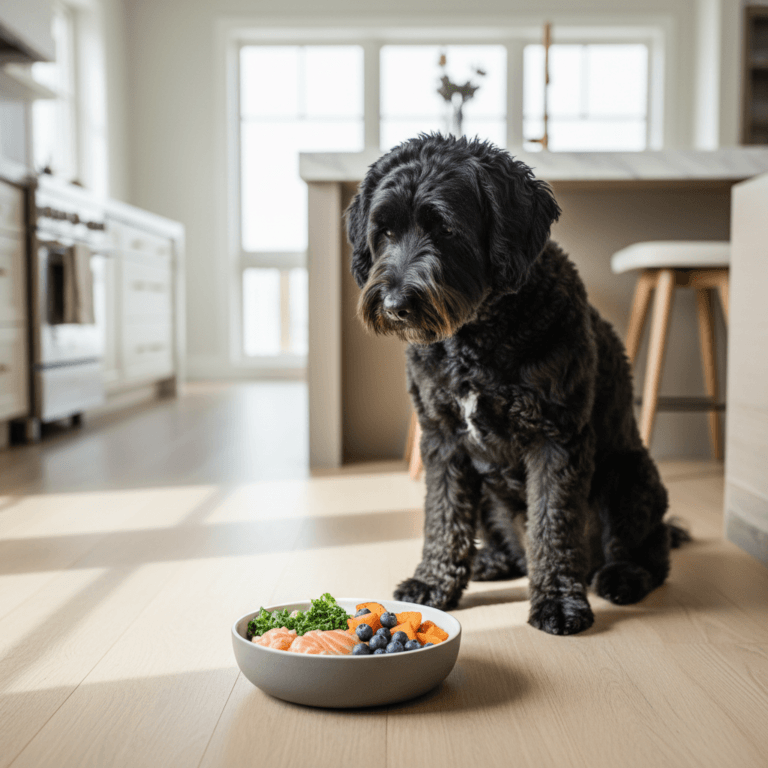
Frustratingly routine allergens are beef, chicken, dairy, and lamb. So your starting point must be a novel protein—something your dog has never eaten.
Think duck, venison, even kangaroo. The goal is to start from zero.
Step 2: Picking Your Diet Path
Hydrolyzed Protein Diet: These use proteins chopped into tiny pieces, making them less likely to spark an immune reaction. They’re a solid choice, but you must pick one approved by AAFCO.
Home-Cooked Options: More hassle, but you get total control. You know every ingredient that goes in. Truth be told, it’s the only way for some gnarly cases, but it requires careful formulation.
Step 3: Why Duration is Everything
The effectiveness hinges entirely on time. Most dogs need a strict elimination period of at least 8 weeks. This consistent stretch lets you watch for clinical shifts—less itching, firmer stools, a calmer demeanor.
I’ve had clients come in after six weeks, convinced it failed. I tell them to push to ten. And in most cases, that’s when we finally see the turn.
A Quick Note on Patience
Look, the first few weeks can be messy. Gastrointestinal upset sometimes happens as their system adjusts. Stick with it.
Step 4: The Reintroduction Phase
After the trial, you reintroduce old foods one by one. This is the detective work. Monitor for any return of itching, ear infections, or digestive chaos. That’s how you pinpoint the villain.
Do it slowly. One ingredient every 1-2 weeks.
Step 5: Never Skip Professional Follow-Up
Always loop in your vet or a board-certified veterinary dermatologist (ACVD). They spot nuances you might miss and can recommend next-step tests. This isn’t a DIY project from start to finish.
Home Remedies for Dog Allergies: Fact or Fiction?
Many owners reach for oatmeal baths or coconut oil first. Those can offer fleeting relief, sure. But they’re a bandage.
A proper food trial is the foundation—everything else is just managing symptoms.
The Truth About “Best” Natural Allergy Medicine
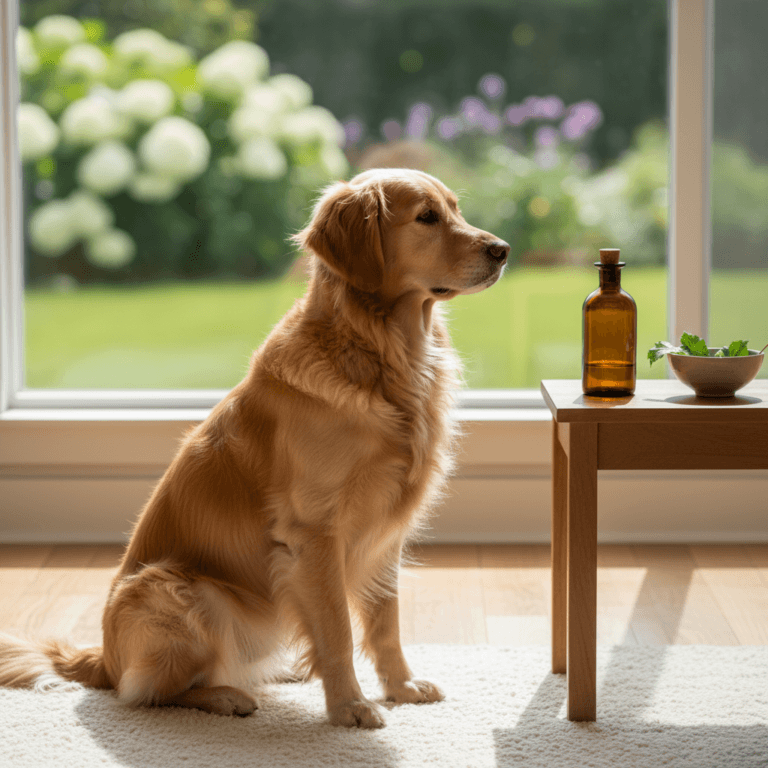
Products like fish oil or local honey are marketed hard. Actual benefits vary wildly. They don’t replace a dietary trial and can sometimes muddy the clinical picture.
Basically, they’re a supplement, not a solution.
Wrapping This Up: Long-Term Management is a Marathon
A successful food trial is just the start. Managing a dog with allergies means ongoing vigilance.
You’ll need to monitor and adjust, probably for life. But you’ll have answers, and that’s the whole point.
[…] gotta keep that food diary and watch symptoms like a hawk, it’s the only way to pin down the […]
[…] in desperate for a fix. And the management? It’s tedious, sure, but it works. You gotta keep that food diary and watch symptoms like a hawk, it’s the only way to pin down the trigger. Consistency is […]