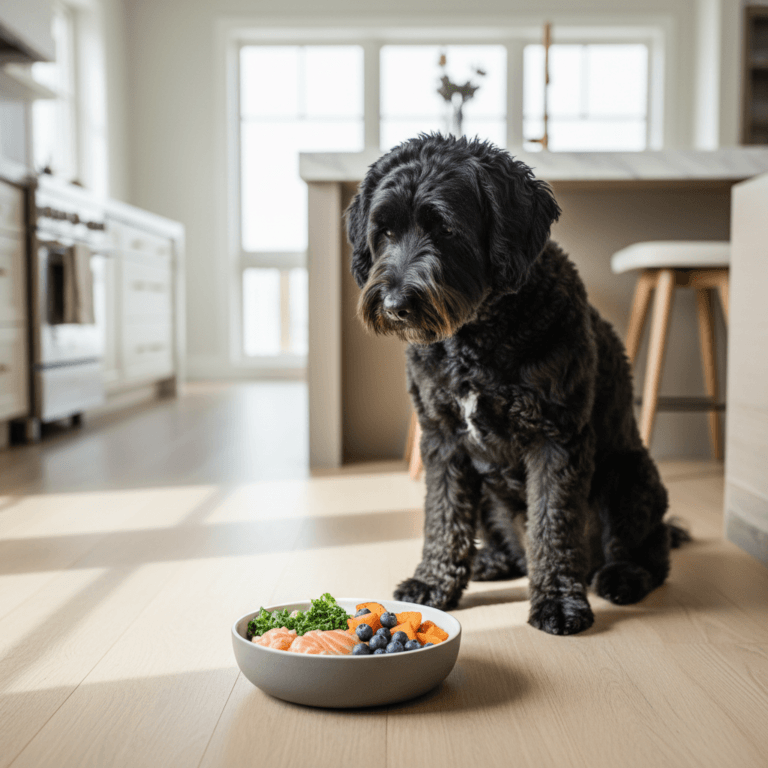
Last Updated on March 7, 2026 by Arlena Whitford
Look, a solid dog allergy food list is your only real starting point for relief.
The itching is relentless, the skin’s just raw. You’ve tried a new kibble, but the scratching continues—because that “new” formula probably shares an ingredient with the old one. This is frustratingly routine, everywhere you look.
Here’s how to actually find the trigger, cut it out, and heal your dog’s gut, using the methods we trust after seeing this thousands of times.
Truth is, canine food allergies prompt a ton of questions because the symptoms are a tangled mess.
Management? It’s all about elimination diets and controlled feeding, it’s tedious, sure, but it works. You gotta monitor with absolute consistency, that’s the non-negotiable part, making adjustments based on what you actually see.
At-a-Glance: Clinical Summary
Spotting the Signs: Symptoms of Dog Food Allergies
You need to recognize the symptoms first. They’re not always obvious.
- **Itchiness**. This is the big one. Constant scratching, biting at paws, rubbing their face on the carpet until it’s raw.
- **Inflammation**. Look for red, angry skin. Hotspots can erupt almost overnight, I’ve seen dogs come in with ones the size of a pancake.
- **Digestive Issues**. Vomiting or chronic diarrhea can signal a gut-level reaction. It’s not just a skin thing, the gut’s on fire too.
- **Ear Infections**. Recurrent ear infections are a massive red flag. The inflammation from a food allergy creates the perfect swamp for yeast and bacteria.
Understanding this cluster is what points you toward a food trial instead of just more baths and antibiotics.
Client swears it’s environmental — elimination trial later and boom, beef was the trigger all along.
How to Run a Dog Allergy Food Trial
An effective trial is indispensable for a real diagnosis. It’s a hassle, but it’s the only way.
- **Talk to Your Vet First**. Seriously. Rule out other culprits like environmental allergies or parasites.
- **Pick a Truly Novel Protein**. Kangaroo, venison, alligator—something your dog’s system has never met.
- **Commit to 8-12 Weeks**. No cheating. Not a single treat, flavored medication, or scrap from the table.
- **Log Everything**. Keep a simple diary of itch scores, stool quality, skin appearance. Improvement is your evidence.
In my experience, you’ll often see a noticeable dip in scratching by week four if food is the villain.
Not always, but frequently. Works every time — almost.
Your Go-To Dog Allergy Food List: 7 Options
Let’s break down the list. These aren’t ranked, but matched to different situations.
1. Novel Protein Diets
Overview: Proteins like deer, duck, or rabbit that are new to your dog’s immune system.
The Reality: This is the classic first move. It can be remarkably effective, but sourcing can be tricky.
2. Hydrolyzed Protein Diets
Overview: The protein is chopped into pieces so small the body ideally doesn’t recognize it as an allergen.
Expert Insight: My go-to for stubborn-as-hell cases. It’s not a magic bullet, but it reliably reduces antigen exposure so we can get the inflammation under control.
3. Limited Ingredient Diets (LID)
Overview: Minimizes components—think salmon and sweet potato, period.
Why It Works: It strips everything back. This simplification makes it the best tool for pinpointing the specific offender, which is the whole point.
4. Grain-Free Options
Overview: Cuts out grains like wheat or corn.
A Necessary Caveat: Ensure it’s **AAFCO** complete. And look, grain allergies are less common than protein allergies.
5. Fish-Based Diets
Overview: Salmon, whitefish, or herring. Often inherently hypoallergenic and packed with omega-3s.
The Bonus: Those omega-3s are anti-inflammatory. For dogs with skin-driven allergies, this can be a solid two-for-one benefit, it’s passable.
6. Home-Cooked Options
Overview: You control every single ingredient that goes in the bowl.
Critical Warning: This is not a weekend project. You must consult a veterinary nutritionist.
7. Prescription Diets
Overview: Formulated specifically for allergic patients, often available through your vet.
The Bottom Line: These are backed by actual research and clinical trials.
What About Dog Allergy Treats?
Treats will sabotage your entire trial. Truth be told, most commercial treats are a minefield of unnamed proteins and additives.
Look for hypoallergenic treats that match your chosen diet’s single protein source. Or, just use pieces of the trial food itself as rewards. That’s it. That’s the whole trick.
Long-Term Management: It’s a Marathon
Maintaining a dog allergy diet isn’t a one-time fix. It requires vigilance.
The goal is to rebuild that gut lining and manage the antigenic load long-term.
Probiotics can be a decent enough helper here, restoring some balance. Keep talking to your vet — dietary needs can and do shift.