Last Updated on March 12, 2026 by Arlena Whitford
Figuring out what to feed a dog with food allergies is a frustrating puzzle. I see it every single day. The itching just doesn’t stop, vet bills pile up. And that new food you bought last month? Probably has the same old ingredient, just in a different bag. I’ve seen this exact cycle hundreds of times. Here’s the no-BS approach we use, based on board-certified dermatology protocols, to find the trigger and cut it out. Dog owners are always looking for info because these sensitivities are everywhere you look now. Truth is, management boils down to picking the diet carefully and then watching your dog like a hawk. You’ve gotta note every little change; it’s tedious, sure, but it works. Consistency is the whole game.
At-a-Glance: Clinical Summary
Understand What’s Actually Causing the Problem
Common allergens are almost always proteins. Beef, chicken, dairy, and wheat top the list. I’ve lost count how many clients are convinced it’s grains. But in my experience, it’s the protein source nine times out of ten. Soy and eggs are other routine offenders. Pinpointing these is the non-negotiable first step, which is why veterinarians usually recommend starting with a structured dog allergy food trial. I had a client swear it was environmental for a year — elimination trial later and boom, beef was the trigger all along.
Exploring Limited Ingredient Diets (LID)

Limited Ingredient Diets are my go-to starting point for a reason. They strip everything back to one protein and one carb, which drastically cuts the antigenic load on a confused immune system.
But here’s the thing: not all LIDs are created equal. You need a quality one with ingredients that actually support gut integrity. Some over-the-counter versions are passable, but always check for that AAFCO statement. And yeah, even the fancy boutique brands can mess this up.
Why the Single Source Matters
It’s about control. When a reaction pops up, you’re only dealing with one or two variables, not a dozen. Makes the detective work infinitely easier.
Hydrolyzed Protein Diets: When All Else Fails

Hydrolyzed protein diets are a clinical workhorse for stubborn cases. The process smashes proteins into tiny fragments, pieces so small the immune system basically ignores them. This is a lifesaver for dogs with gnarly, multi-trigger allergies. They’re specially formulated, often prescription, and can be a game-changer when other diets don’t make a dent. I’ve seen dogs itch for 18 months straight on ‘hypoallergenic’ grain-free food — the culprit was cross-contaminated lamb from the same factory line.
A hydrolyzed diet fixed it.
The Grain-Free Conversation
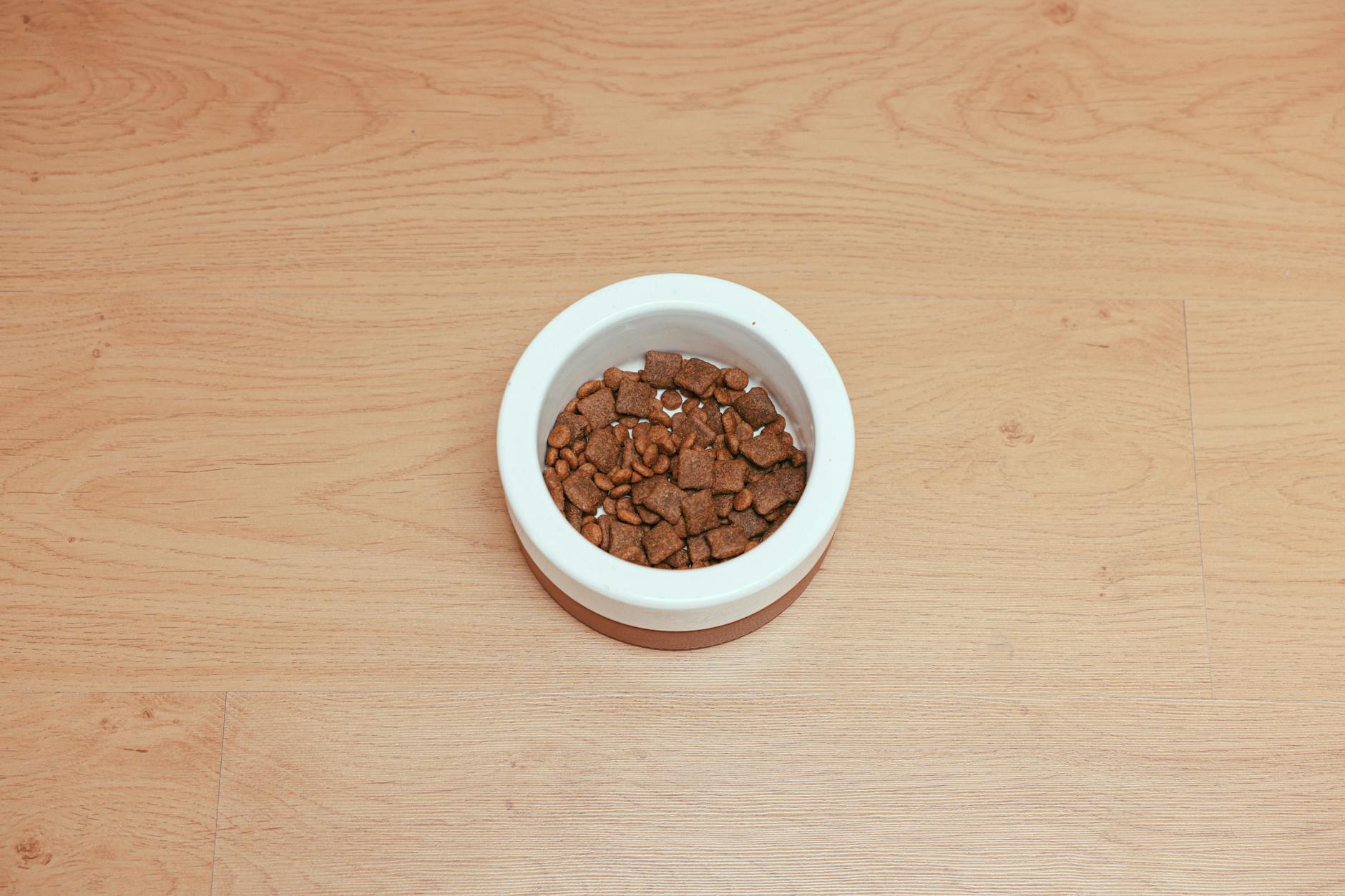
Grain-free diets have their place, absolutely. For the dog genuinely sensitive to corn or wheat, they can calm that itchy skin. But it’s become a frustratingly routine assumption. The key is to ensure any grain-free formula still has adequate fiber and is balanced. Some swap grains for a slew of legumes, which brings its own set of questions.
Introduce Novel Protein Sources
Novel protein sources like duck, venison, or rabbit are excellent tools. The logic is straightforward: if your dog has never eaten duck, it’s unlikely to have developed an allergy to it yet. These proteins are less likely to cause a reaction, making them a solid choice for an elimination diet. I sometimes joke we’ll be using cricket protein soon if we run out of novel mammals.
A Warning on Novel Proteins
Their novelty wears off, it really does. Feed duck exclusively for two years, and the dog can become allergic to duck, too. It’s a rotation strategy, not a forever fix.
How to Transition Without a Meltdown
Go slow. A 7-10 day transition is the bare minimum. Start with 25% new food mixed into the old, and gradually shift the ratio. Watch like a hawk during this phase. Symptoms can be subtle at first — a little extra paw licking, irritated skin, or itching that makes owners search for what dog shampoo is best for dogs with itchy skin. That’s your data.
Never Skip the Vet Consult
This isn’t a DIY project. Regular consults with your veterinarian are the backbone of management. We can recommend specific, reliable brands and monitor the response. More importantly, we can rule out other conditions that mimic food allergies, like environmental allergens or endocrine issues.
Collaboration is what turns a guessing game into a plan.
Wrapping This Up
Long-term management requires stubborn diligence. It’s not just about picking a new bag of food; it’s a methodical process of elimination and observation. By understanding the common triggers and strategically using limited ingredient or novel protein diets, you can dial down the misery.
Keep talking to your vet. Report everything. That’s the trick.