
Last Updated on March 31, 2026 by Arlena Whitford
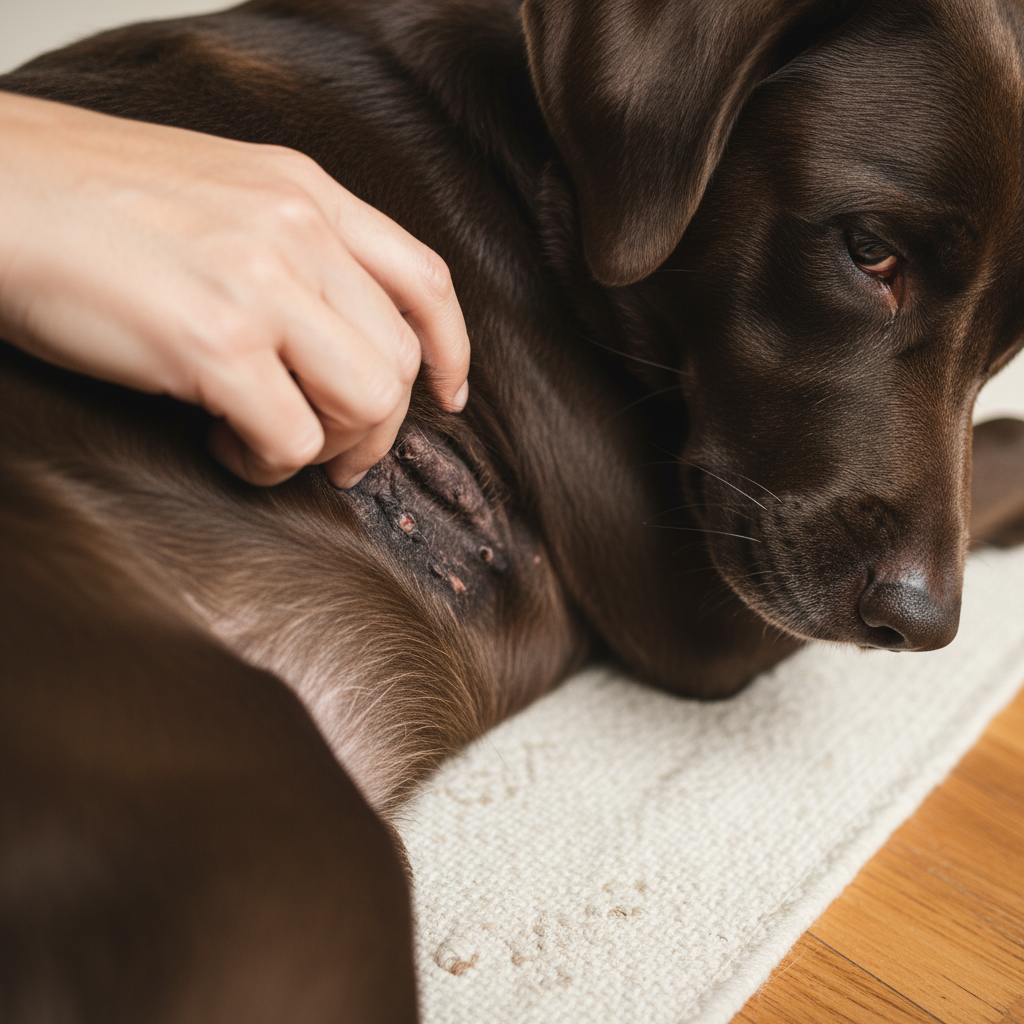
Dog skin turning black from scratching is a frustratingly routine sight in my clinic. It’s a glaring sign your dog’s immune system is fighting *something* — usually allergies or an infection. If your dog’s belly is getting dark and itchy, I know you’re overwhelmed. The list of possible causes is daunting. But look, with a methodical approach, you can get a handle on this. Here’s what’s probably happening and what you can actually do.
Truth is, owners often just want a specific allergy or condition to blame. Management gets woven into daily life, sure, but you’ve gotta watch for changes. That consistent monitoring is the only thing that catches the shifts needing my attention.
At-a-Glance: Clinical Summary
Chronic Allergies: The Usual Suspect

Nine times out of ten, chronic allergies are the root cause behind that dark, thickened skin. When a dog hits an allergen — pollen, dust mites, or a food protein like chicken or beef — the immune system just loses its mind. This overreaction floods the skin with inflammatory cytokines. The result is relentless itching, scratching, and licking. That trauma, over time, triggers hyperpigmentation. So if you’re noticing your dog’s belly skin turning dark and itchy, you’re seeing a textbook reaction to chronic inflammation.
It’s a vicious feedback loop. The more they itch, the more the skin changes, and the more it itches. I’ve lost count of dogs scratching until they bleed from an undiagnosed allergy to something as simple as the chicken in every meal. Client swears it’s seasonal — elimination trial later and boom, beef was the trigger all along.
The Discoloration Mechanism
Can chronic allergies cause skin discoloration? Absolutely. Prolonged inflammation stimulates melanin production. Think of it as the skin’s stubborn-as-hell attempt to protect itself. You get these dark, sometimes purplish patches, especially in areas of high friction — armpits, groin, between the toes. Allergies activate the histamine response, which drives the scratching, which creates the perfect storm for discoloration.
From what I’ve seen in practice, dogs with allergic dermatitis consistently show hyperpigmentation in spots they can lick or scratch easily. It’s a direct marker of the itch-inflammation cycle, simple as that.
Untangling Yeast Infection from Hyperpigmentation
This one trips up even seasoned pet owners. Telling a yeast overgrowth from simple hyperpigmentation is critical, the treatments are worlds apart.
Yeast infections have a telltale, musty odor — often described as corn chips or old cheese. The skin and fur can feel greasy, particularly in those warm, moist folds. You might see a rusty-red discoloration sitting with the blackening.
Hyperpigmentation, on the other hand, usually lacks that strong smell. The skin becomes dark and leathery, but it’s often drier. It’s more about texture and color change without the classic yeast clues.
Dealing With “Elephant Skin” in Dogs
“Elephant skin” is that gnarly, thickened, almost wrinkly hide that forms from non-stop trauma. It’s what happens when chronic scratching becomes a lifestyle for your dog. Treating it isn’t about the skin itself — it’s about shutting down whatever is causing the itch in the first place. Allergies, parasites, a secondary bacterial infection. You have to find the driver.
Management usually involves a multi-pronged attack:
- Topical Treatments: Corticosteroid creams or sprays can break the itch-scratch cycle fast by calming inflammation. Use them under vet direction, please.
- Regular Cleansing: A gentle, antibacterial or antifungal shampoo is key. It soothes, removes allergens, and tackles any secondary invaders. Don’t overdo it, though — twice a week is plenty. For proper skin cleansing, see our tips on what dog shampoo is best for dogs with itchy skin.
- Dietary Adjustments: For food-based issues, a hydrolyzed or novel protein diet is often the long-term solution. Truth be told, the kitchen is where most home management plans fail due to cross-contamination (and yeah, even the fancy boutique brands share factory lines).
Long-Term Management: The Daily Grind
Managing this isn’t a one-and-done deal. It’s a commitment. Regular vet visits are indispensable to track progress and tweak the plan. Beyond that, your daily routine is everything.
- Bathing Strategy: Use a mild, vet-approved shampoo. It’s not just for cleaning; it physically washes allergens off the coat and skin. A solid, boring routine beats sporadic intense treatments every time.
- Nutritional Support: Omega-3 fatty acid supplements from fish oil are reliably decent. They help rebuild the skin barrier and dial down inflammation from the inside. It’s not magic, but it’s a passable foundation. For guidance, check our expert tips on how much omega 3 for dogs with allergies.
- Environmental Control: Limit exposure to known triggers. Maybe that’s more frequent vacuuming, using hypoallergenic bedding, or wiping paws after walks. It’s tedious, sure, but it works.
Honestly, long-term management hinges on identifying the underlying cause and sticking with the plan. Your vigilance as an owner is the most important factor in your dog’s comfort. So keep watching, keep logging, and don’t hesitate to call your vet when things shift.