Last Updated on March 25, 2026 by Arlena Whitford
Look, a good foot soak is one of the most underappreciated tools for immediate relief. That relentless pawing and chewing creates a vicious cycle of misery, and I’ve seen dogs itch for 18 months straight while owners try everything else. Truth is, up to 80% of allergy cases hit the skin. Here’s how to break the cycle with soaks that make sense.
At-a-Glance: Clinical Summary
Why a Soak Works for Itchy Paws

Foot soaks do more than just soothe. They’re a therapeutic method for tackling the root of the itch. The goal is to reduce the antigenic load—basically, washing away environmental pollen or indoor irritants stuck to the paws. This routine can dial down the cytokine activity in the skin that drives inflammation and misery. The soaking pathway offers several clinically recognized advantages, but you have to pick the right one.
From what I’ve seen in practice, owners who stick with this simple step see fewer secondary infections, it’s that straightforward.
1. Saline Soaks
A simple saline solution can dramatically calm inflamed skin. It draws out excess moisture while flushing trapped allergens, which leads to fewer secondary yeast infections. The salty water helps maintain skin barrier integrity, which is non-negotiable for comfort. It’s a frustratingly routine problem, and this is a solid first-line response. Client swears it’s environmental — a consistent saline rinse later and boom, half the itching stops.
2. The Oatmeal Infusion Option
Finely ground colloidal oatmeal in warm water creates a decent enough soothing experience. Owners like it because it helps trap moisture and ease that pervasive dry itch, the polysaccharides form a protective film on the skin’s surface. Just make sure it’s colloidal oatmeal, not breakfast kind — the texture is everything. (And yeah, even the fancy boutique brands sometimes use the wrong grind.)
3. Considering Antiseptic Solutions
Look for gentle, herbal antiseptic options. Aloe vera or calendula can be soothing post-exposure and help eliminate surface bacteria without stripping the skin. These botanicals offer anti-inflammatory effects. Truth be told, they reduce the chances of a secondary bacterial infection taking hold, which is a common sequel to all that chewing. I’ve lost count how many times a simple antiseptic soak has headed off a gnarly paw infection.
4. Herbal Infusions for Healing
Chamomile or calendula teas, cooled and added to soak water, promote healing. Their soothing properties are beneficial for inflamed skin. Using them with warm water has a calming effect, on both the dog’s skin and their generally agitated state, honestly. Works every time.
5. The Epsom Salt Solution
A warm Epsom salt soak can relax sore, swollen paws. The magnesium may reduce swelling from contact allergies. Moderation is key here — overuse can backfire and cause more irritation. I’ve seen it happen. Nine times out of ten, twice a week is plenty.
Fitting Soaks Into Your Routine
Integrating soaks should be done cautiously. You don’t want to overdo it, because excessive soaking strips natural oils.
- Duration: Start with 5–10 minutes. Watch for discomfort.
- Frequency: A few times a week, but it depends entirely on your dog’s condition.
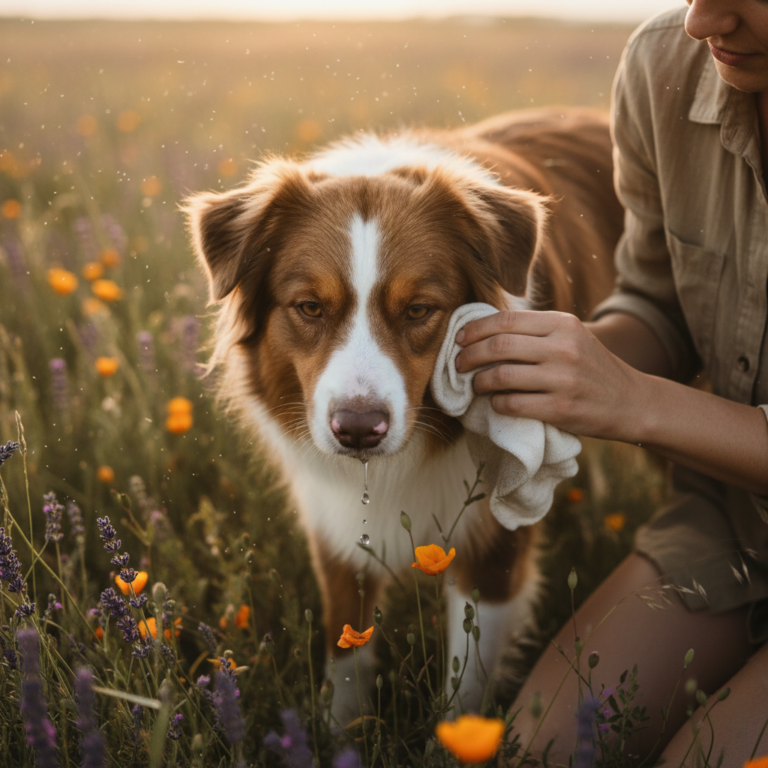
- Drying: This part is non-negotiable. Dry their paws thoroughly afterward.
Leftover moisture is a prime setup for a fungal overgrowth and that classic musty smell. No shortcuts here.
Potential Pitfalls in Home Treatments

Do take care to avoid common mistakes. I’ve had clients come in with dogs who’ve had soaks make things worse, and it’s almost always one of these.
- Wrong Ingredients: Human-grade products with fragrances or dyes are a major irritant. Stick to pet-safe, simple formulas.
- Temperature: Hot water is a no-go. Lukewarm only.
- Duration: Limit to 10 minutes max. Longer isn’t better, it’s just a soggy dog.
Managing Allergies Long-Term with Foot Soaks
Addressing allergies requires a multi-faceted approach. A foot soak is one reliable piece of that puzzle, alongside diet, monitoring, and sometimes medications for histamine control. Simple as that. Really.
A Note on Ingredients
Track what you use. Consider rotating soak types occasionally to prevent the development of new sensitivities. It’s an undervalued tactic that most owners never think of.
When to Seek Allergy Testing

If issues persist, veterinary allergy testing (**ACVD**-boarded dermatologists are gold standard) can pinpoint triggers. This leads to a customized plan that goes beyond soaks into targeted dietary and environmental management. Owners hate hearing this, but sometimes the bowl trial is the only answer.
Wrapping It Up
Long-term allergy management is complex. Foot soaks serve as an effective supplementary treatment to take the edge off immediate discomfort. By monitoring your dog’s skin, using appropriate methods, and consulting your vet when stuck, you can make a real difference in their daily comfort. For more ongoing care advice, see our dog allergy home treatment tips for relief. That’s the whole point.