Last Updated on April 15, 2026 by Arlena Whitford
Look, dog skin disease hits over 30% of dogs in their lifetime. It’s everywhere you look, and the scratching just never stops, does it? Your dog’s skin is red, inflamed, maybe dotted with those weird black spots. You’re confused, and that’s normal. But figuring out the types and their treatments can save you a massive headache and your dog a ton of misery. Here are five no-BS tips from the trenches.
At-a-Glance: Clinical Summary
Owners always want a quick fix, but the real deal is tedium. Regular vet checks, daily grooming, watching for symptoms — it all becomes part of the routine if you want any real control.
The Main Types of Dog Skin Disease
Let’s break down what you’re probably dealing with. The whole path depends on getting this part right.
Allergic Dermatitis: The Itch Machine
Usually triggered by environmental junk — pollen, dust mites, mold. That itchy sensation is a histamine response going completely haywire. Your dog will scratch, bite, maybe even get hives during a gnarly flare-up. Treatment tends to involve antihistamines, corticosteroids, and topicals to calm things down. But here’s the thing: managing this is about control, not cure. I’ve lost count how many times a client swears it’s seasonal, and the elimination diet trial later proves it was beef all along.
Bacterial Skin Infections (Pyoderma)
Bacteria like *Staphylococcus* sneak in when the skin barrier is wrecked. You’ll see localized hair loss, funky lesions, and that distinctive musty smell owners notice first. Treatment needs antimicrobial shampoos and targeted antibiotics. And I mean *targeted* — we get cultures from skin scrapings to pick the right one. Using the wrong antibiotic just breeds resistance, a stubborn-as-hell problem we see constantly.
Fungal Infections, Like Malassezia
Yeast loves warm, moist skin folds. Symptoms include an oily, scaly look and a sour odor. Ketoconazole shampoos and oral antifungals are the standard fix. These can be stubborn, sometimes needing meds for months. I’ve seen dogs itch for a year on ‘hypoallergenic’ grain-free food where the culprit was cross-contaminated lamb from the same factory line.
The Behavioral Component: Psychogenic Dermatitis

Boredom, anxiety, or stress can show up as obsessive licking and chewing. We call it psychogenic dermatitis. Behavioral fixes plus anti-anxiety meds can help. But — and this is a massive but — you *must* rule out every medical cause first. I’ve seen dogs labeled “anxious” who actually had a raging flea allergy the whole time.
Parasitic Infections
Fleas, ticks, mites. They’re notorious. Flea allergy dermatitis alone drives dogs mad with itching from just one bite. Monthly preventive treatments are clinically undervalued by so many owners. They’re the cornerstone, simple as that.
Spotting the Signs: What to Look For
How can you catch this stuff early? Look for these patterns.
- Persistent Scratching. Excessive scratching points to allergies or infections. If it’s constant, get vet help.
- Redness and Swelling. Inflammation changes the skin’s color and texture, monitor any sudden shifts.
- Hair Loss. Bald patches can signal anything from infection to allergy. Early intervention is always cheaper, for your wallet and your dog’s comfort. For strategies on this, see dog allergy hair loss management.
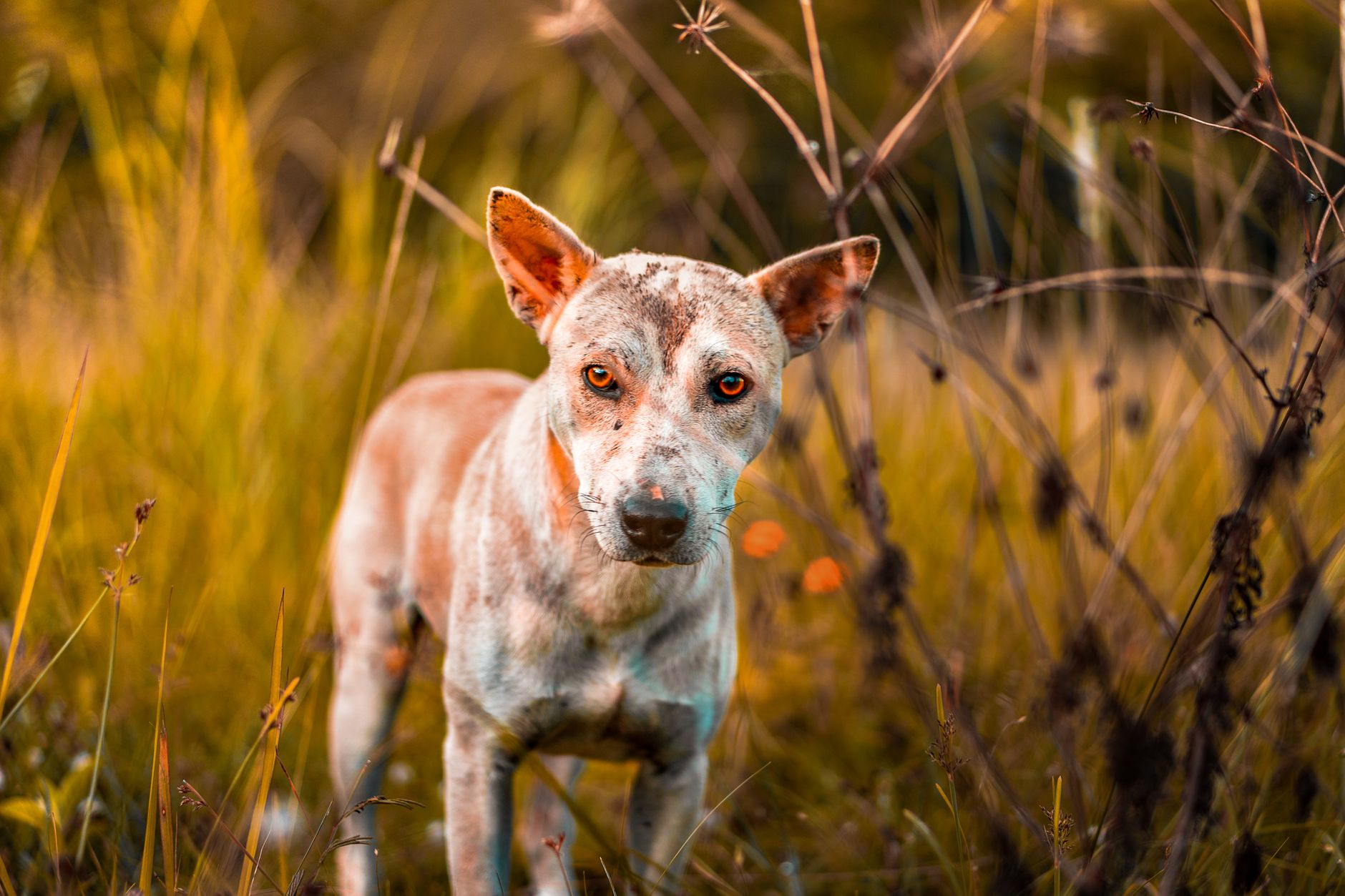
- Those Black Spots. Black spots on the skin can indicate a bacterial infection, sometimes called “black skin disease.” Always point them out during an exam — they’re a useful clue we need. Check out our details on dog skin turning black from scratching for more insight.
- Unusual Odors. A musty or sour smell often means yeast or fungus. If your dog smells “off,” it’s time for a consult.
A Realistic Treatment Framework
1. Commit to Regular Vet Visits
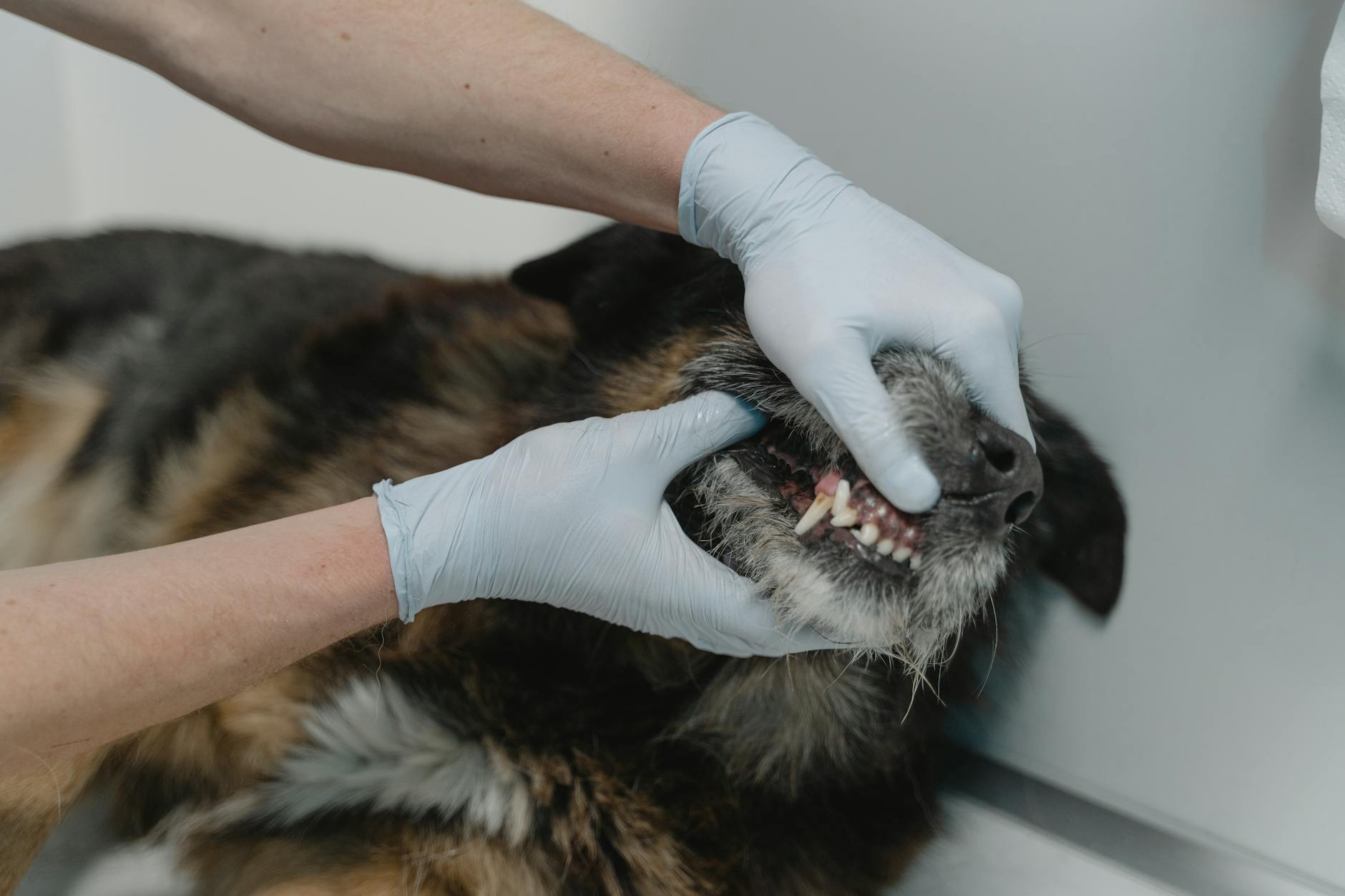
Don’t wait for things to get bad. Schedule check-ups with your vet, or a veterinary dermatology specialist (**ACVD**-certified if you can find one). Proactive care prevents spiraling complications, it’s worth the headache.
2. Nail the Bathing Routine
Medicated shampoos are reliably decent for clearing infections and soothing skin. Follow your vet’s instructions on frequency to the letter. Over-bathing strips natural oils, under-bathing does nothing. It’s a balance. For advice on bathing, our dog bathing frequency tips can help you optimize this routine.
3. Consider Dietary Adjustments
Many skin issues have a dietary component. A properly formulated hypoallergenic diet can mitigate responses. Consult a certified veterinary nutritionist for tailored advice — not all “hypoallergenic” store brands are created equal (and yeah, even the fancy boutique brands do this).
4. Control the Environment
Minimize allergen exposure. Regular cleaning, good air filters, even a “clean room” space for your dog can make a tangible difference. It’s a hassle, but it works.
5. Use Medications Correctly
Always follow veterinary guidelines. Topical treatments, oral antibiotics, antihistamines — they can drastically improve things when used right. The problem is, most owners stop too soon because the dog *looks* better. Finish the entire course. Works every time — almost.
How We Diagnose Skin Disease in the Clinic

What actually happens during a workup? It’s not guesswork.
- Skin Scraping. We do this to find parasites or fungal elements. A thorough scrape can reveal secondary issues you didn’t know were there.
- Allergy Testing. Blood tests or intradermal skin tests can pinpoint environmental allergens. Useful for planning immunotherapy.
- Culture Tests. We take a sample to see exactly what bacteria is growing and which antibiotics will kill it. This is standard of care for stubborn infections.
- Biopsy. If we’re worried about autoimmune disease or cancer, we take a small skin sample. It sounds scarier than it is.
- Urine Analysis. Sometimes skin problems are a sign of a systemic issue. A urinalysis gives us the bigger picture look.
The Long Game: Managing Skin Disease for Life
Managing dog skin disease is a commitment, no way around it. Owners have to stay vigilant. Regular vet visits combined with consistent treatment and monitoring boost the chance of remission significantly. Keep the environment clean, invest in the right diet, and don’t hesitate to call your vet when things change. Basically, treat it like a chronic condition, because nine times out of ten, that’s exactly what it is.
FAQs
Understanding it, catching signs early, and sticking to a solid plan makes all the difference. It’s work, but it’s the kind that gives your dog a more comfortable life. And that’s the whole point.