Last Updated on March 30, 2026 by Arlena Whitford
Figuring out how often to bathe a dog with allergies is one of those clinically massive details owners sleep on. The itching just doesn’t stop, does it? You see the raw patches, you hear the scratching at 2 AM. You’ve tried the food swaps. Maybe you’re even bathing more, but it’s not helping — could be making it worse. Here’s how to build a bathing routine that actually cuts the allergen load and gives some real relief.
Look, I’ve lost count how many times a client comes in swearing it’s a food issue, but we do the work-up and boom, it’s a straightforward environmental allergy made ten times worse by a secondary skin infection they’re not managing. Consistency with the basics is everything.
At-a-Glance: Clinical Summary
How Often Can You Bathe a Dog with Allergies?

Bathing schedules are not one-size-fits-all. They just aren’t. From what I’ve seen in practice, most allergic dogs do best somewhere between a weekly and a monthly bath. That’s a frustratingly broad range, I know. But the goal is to remove environmental allergens like pollen or dust mites without stripping away the skin’s natural, protective oils. Bath too little, and the allergen load builds up. Bath too much, and you create a dry, irritated canvas that’s even more reactive. You have to watch your dog’s skin and adjust, it’s that simple.
Will a Bath Actually Help My Dog’s Allergies?
Yes. It’s mechanically therapeutic. Think of it this way: your dog’s fur is a pollen magnet. Bathing physically washes those triggers away, which can directly lower the histamine response causing all that itching. Truth be told, it’s one of the most reliably decent things you can do at home. Regular bathing also helps maintain the skin barrier itself — that’s the frontline defense. A compromised barrier lets more allergens in, starting a vicious cycle I see every single day. A proper bath helps shore up the walls.
Getting to the Root: Dermatology Work-Up
When itching is stubborn-as-hell, you need more information. Throwing different shampoos at the problem is a guessing game, owners hate hearing this but it’s true. A proper work-up changes that.
- Skin Scraping: Rules out mange (demodex/sarcoptes) — a common mimic of allergies.
- Allergy Testing: Either intradermal or serum-based. Pinpoints the specific environmental culprits so you can tailor avoidance, not just bathing. Understanding the cost of these tests is key, as explained in expert insights on how much do allergy tests for dogs cost.
- Cytology: This is the big one. We take a sample and look under the microscope. Nine times out of ten, a gnarly allergic flare has a secondary yeast or bacterial infection riding along, making the itch ten times worse. Bathing frequency and shampoo choice hinge entirely on this finding.
Implementing these tests means you’re not working blind.
A Note on Secondary Infections
If cytology shows yeast or bacteria, bathing becomes non-negotiable treatment, not just management. You’ll need a specific medicated shampoo, often with chlorhexidine or miconazole, and the frequency might be every 2-3 days initially to get it under control. That’s a clinical directive, not a home-care tip. I’ve seen dogs itch for 18 months straight on ‘hypoallergenic’ grain-free food — culprit was a cross-contaminated chicken meal from the same factory line, and a raging secondary infection nobody treated.
Picking a Dog Allergy Shampoo: What Actually Works

Using the wrong product wastes everyone’s time and money. Here’s the breakdown.
- Hypoallergenic Shampoo: A solid, gentle baseline for maintenance. Look for colloidal oatmeal or aloe vera. They’re passable for mild, general irritation. You can find more details in our guide about what dog shampoo is best for dogs with itchy skin.
- Medicated Dog Allergy Wash: This is for when you *know* there’s an issue. Chlorhexidine for bacteria, ketoconazole or miconazole for yeast. These are active ingredients, not just soothing ones.
- Avoid Human Shampoo. Full stop. The pH is wrong for canine skin. It disrupts the acid mantle, worsening dryness and irritation. I’ve had clients swear their dog’s skin got better after they stopped using their own “gentle” shampoo (and yeah, even the fancy boutique human brands do this).
And look — always run a new product by your vet first. A patch test can save you a world of trouble.
The Non-Negotiables of Post-Bath Care
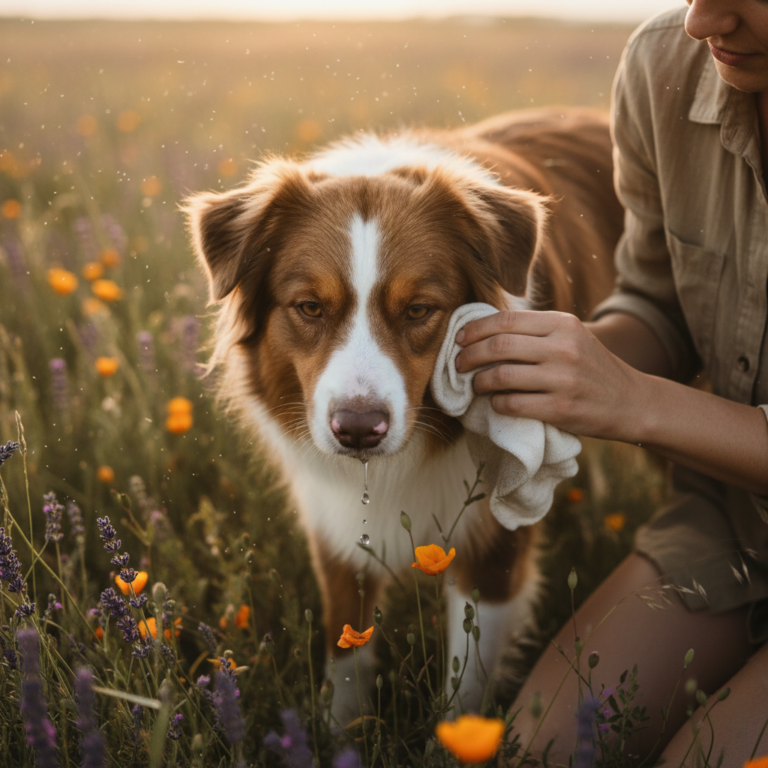
You can do everything right in the bath and ruin it in five minutes after. Always, always towel dry thoroughly. Pay attention to the paws, the armpits, the groin. Damp folds are a paradise for yeast, letting them air-dry is asking for trouble. For more targeted relief, consider dog allergy foot soak tips for relief.
After drying, slapping a vet-recommended allergy balm on red or irritated areas provides a protective barrier. It soothes and shields while the skin is most receptive. That’s the trick.
Wrapping It Up
Managing allergies is a strategic siege, not a single battle. A personalized bathing schedule with the right products is a foundational part of that. But you have to be willing to adjust based on season, exposure, and your dog’s own flare-ups. Regular check-ins with your vet are how you make those adjustments intelligently.