Last Updated on April 15, 2026 by Arlena Whitford
Look, dog skin conditions plague nearly 30% of our canine friends, it’s a relentless cycle of itching, secondary infections, and expensive vet bills. Here’s the straightforward version on how to spot these pervasive issues and what to actually do, from the front lines.
Truth is, owners often search for info on specific allergies. And management protocols, which might include diet tweaks and meds, get folded into the daily routine. Consistency in watching for symptoms is standard practice, it lets you step in when you need to.
A Quick Clinical Rundown
Breaking Down Those Frustratingly Routine Skin Issues

You see the scratching. You smell that odd odor. But what’s happening? Dog skin conditions can stem from a dizzying array of causes, and getting a handle on the type is your first real step toward relief.
The Usual Suspects: What Are the Most Frequent Types?
- Allergic Dermatitis: The big one. Triggered by environmental junk like pollens or mold, or by food allergies. Symptoms are the classic itchiness, red skin, and those maddening secondary infections. I’ve seen dogs itch for 18 months straight on ‘hypoallergenic’ grain-free — culprit was cross-contaminated lamb from the same factory line.
- Bacterial Infections (Pyoderma): Think crusty lesions and a frankly foul odor. These require swift antibiotic action. Waiting just lets it get gnarly.
- Fungal Infections: Yeast loves warm, moist spots. You’ll see itchy, greasy patches, often with that signature musty smell. It’s stubborn-as-hell.
- Parasites: Fleas, mites, you name it. They cause intense scratching. Scabs and patchy hair loss mean it’s past time for treatment.
- Autoimmune Skin Diseases: Conditions like pemphigus. These present with blistering and crusting and are lifelong management cases, they demand close watch.
- Hormonal Disorders: Hypothyroidism is a common culprit. It leads to skin thinning and a coat that just looks… off. Blood tests are indispensable for diagnosis.
- Nutritional Deficiencies: A poor diet shows up in the skin first. Dry, flaky skin and a dull coat are big red flags. The good news? This one is often reversible.
So, How Do We Fix This? A Treatment Breakdown
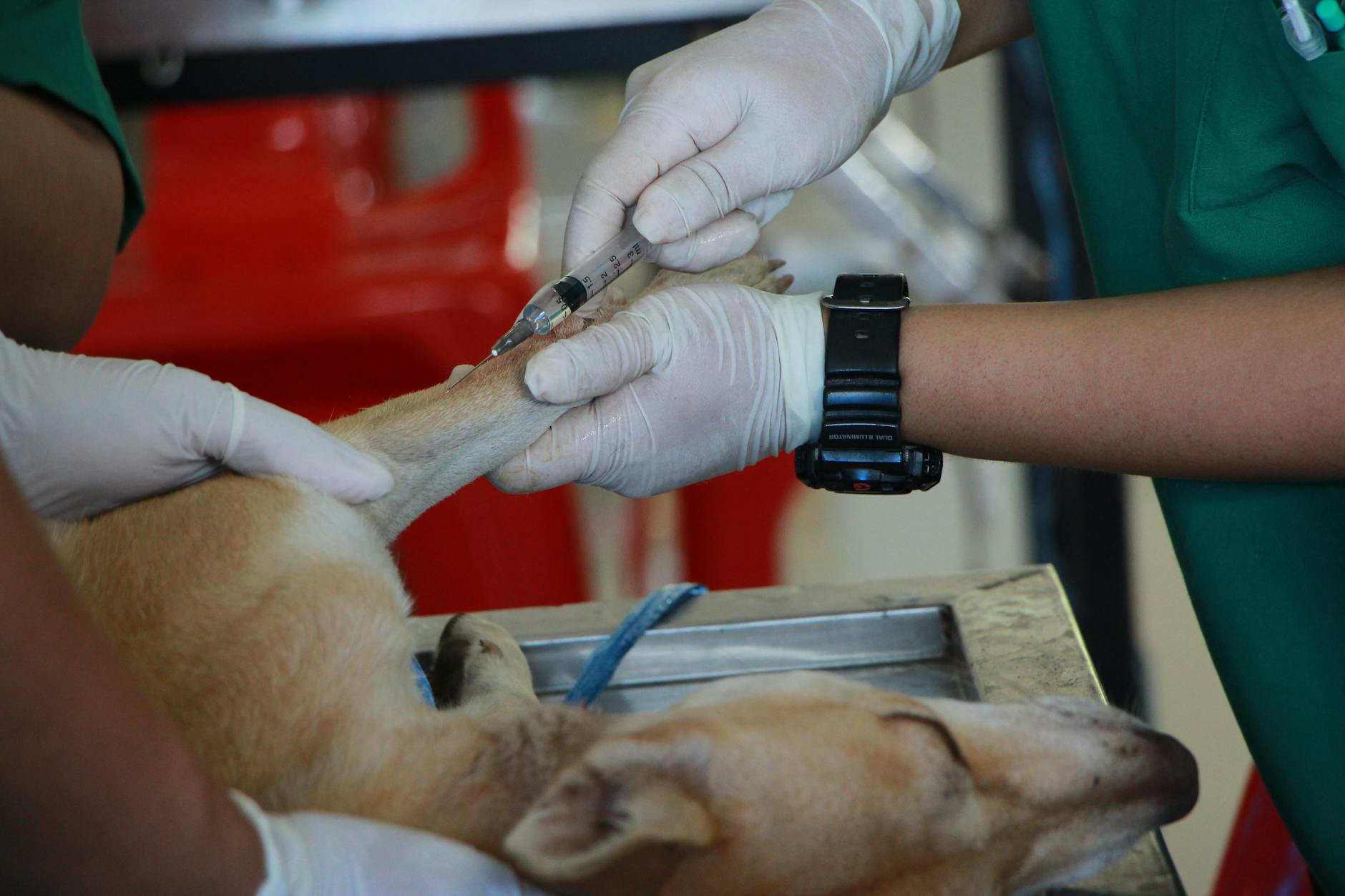
Each problem needs its own approach. Here’s the skinny from my clinic notes.
Allergic Dermatitis Treatment: Avoidance is key, but let’s be real—it’s not always possible. Antihistamines or corticosteroids help manage flare-ups. For tough cases, immunotherapy (allergy shots) can be a game-changer. Client swears it’s environmental — elimination trial later and boom, beef was the trigger all along.
Bacterial Infection Treatment: We prescribe antibiotics, ideally based on culture results. Don’t just guess. A warm compress can soothe, but the meds do the heavy lifting.
Fungal Infection Treatment: Antifungals, either topical or systemic, are the answer. Keeping skin dry and well-ventilated is the best prevention. That means thorough drying after baths.
Parasite Treatment: A consistent, high-quality preventative is non-negotiable. For mange, we need specific medications. This is one area where skipping a month can undo progress.
Autoimmune Disorder Treatment: Immunosuppressive drugs like corticosteroids are standard. But they require careful monitoring. We’re balancing symptom control with side effects, every single time.
Hormonal Disorder Treatment: Fix the hormone imbalance, and the skin often follows. Hormone replacement therapy, monitored with regular blood tests, is the reliable path.
Nutritional Deficiency Treatment: Transition to a vet-recommended, balanced diet. It sounds simple, but you’d be shocked how many skin issues clear up with solid enough nutrition alone. (And yeah, even the fancy boutique brands can mess this up).
Spotting the Signs: Common Symptoms
What Should You Actually Look For?

Detection is everything. Monitor for these:
- Itching and Scratching: The most obvious sign. It drives everyone crazy.
- Red or Inflamed Skin: A clear signal of irritation or infection brewing.
- Scabs and Lesions: These can point to bacterial infections or severe allergic reactions.
- Hair Loss: Patchy or generalized, often linked to parasites or hormonal stuff.
- Odors: A foul or musty smell isn’t normal. It highlights infection.
Simple as that. Really.
Getting a Real Diagnosis
This is where a vet, ideally a dermatologist (look for ACVD credentials), earns their keep. Symptoms overlap maddeningly. Our diagnostic toolbox includes skin scrapes, cultures, allergy testing, sometimes biopsies. We need the target before we shoot. For detailed guidance, review expert tips for dog allergy testing.
The Long Game: Management for Dog Skin Conditions

Think proactive, not reactive. A decent routine drastically improves comfort.
- Schedule regular vet check-ups: especially if your dog is prone to issues.
- That flea and tick prevention: Be religious about it.
- Feed a high-quality diet suited to your dog’s specific needs. Not just any bag from the shelf.
- Keep skin clean and dry: especially in folds. Basic care goes a long way.
Works every time — almost.
FAQ Section
Final Thoughts
Navigating dog skin conditions requires a sharp eye and patience. The causes are tangled. But with a tailored strategy and professional support, you can massively improve a dog’s comfort.
Stay observant. Be consistent. That’s the trick.