Last Updated on April 12, 2026 by Arlena Whitford
Look, dog allergies are a frustrating journey, full of dead ends. Watching your dog scratch until they’re raw is agonizing, especially when nothing seems to work. You’ve tried the foods, the shampoos, the supplements. Truth is, the stress is palpable. So let’s cut to the chase. Here’s how to actually identify the triggers and implement the strategies I use daily, the ones that bring real relief.
From what I’ve seen in practice, owners just want to understand the symptoms and spot the patterns. You gotta weave these management steps into your daily routine, it’s the only way to minimize the discomfort. And you have to stay consistent with monitoring, because timely adjustments are everything.
At-a-Glance: What You’re Dealing With
Getting to the Root: Identification Comes First
The Three Main Culprits
Dog allergies primarily fall into environmental, food, and contact categories. Environmental ones are often seasonal, driven by pollen or mold. Food allergies are trickier — their symptoms can masquerade as other digestive woes, I’ve seen dogs itch for 18 months straight on ‘hypoallergenic’ grain-free food because the culprit was cross-contaminated lamb from the same factory line. Contact allergies? Those arise from direct exposure to things like certain detergents or grasses.
Recognizing the Signs Isn’t Always Straightforward
Classic Symptoms are itching, redness, and skin irritation. But the devil’s in the details.
- The Scratching: It’s not just a scratch. It’s incessant, damaging, and opens the door to secondary infections.
- Ear Infections: Frequent, gunky ears with head shaking are a massive red flag. I see this pattern constantly.
- Gut Troubles: Vomiting or diarrhea can point squarely at a food-related trigger, though it’s not the only possibility. Client swears it’s environmental — elimination trial later and boom, beef was the trigger all along.
A Multimodal Treatment Plan That Actually Works
1. Tackling Environmental Allergies

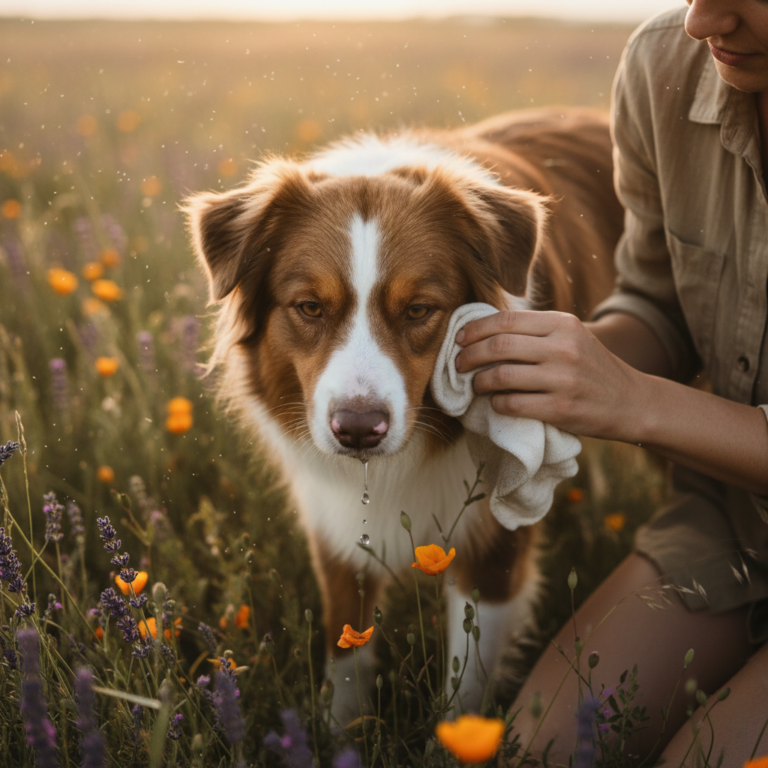
You can’t eliminate pollen, but you can minimize the assault. Regular bathing with a gentle shampoo physically removes allergens from the coat. A HEPA filter in your main living area helps. And during high-pollen counts, keep windows shut. Basic steps, but frustratingly routine to overlook.
2. The Food Allergy Puzzle
This requires real detective work. An elimination diet is the only reliable method, you need a novel protein and carbohydrate source your dog has never eaten. The catch? It takes 8-12 weeks of strict adherence, and I mean strict. (And yeah, even the fancy boutique brands do this). Cross-contamination in the kitchen ruins the trial more often than not. Simple as that. Really. For detailed guidance, refer to the expert-verified dog allergy food trial.
3. Topical Relief for the Skin
Soothing shampoos with oatmeal or aloe can cool the skin and offer temporary respite. They’re a band-aid, not a cure, but a useful one. For localized hot spots, sprays with hydrocolloid or antimicrobial properties can be a lifesaver.
A Quick Note on Bathing Frequency
Don’t overdo it. Twice a week with a therapeutic shampoo is usually the max. Over-bathing strips essential oils and makes things worse, it’s a common misstep.
4. Immunotherapy: The Long Game
Allergy shots or oral drops gradually desensitize the immune system. It’s a commitment—often lasting a year or more—and doesn’t work for every dog. But when it does, it’s transformative. You’ll need a vet dermatologist to devise the plan.
5. Natural Remedies: What’s Worth It?
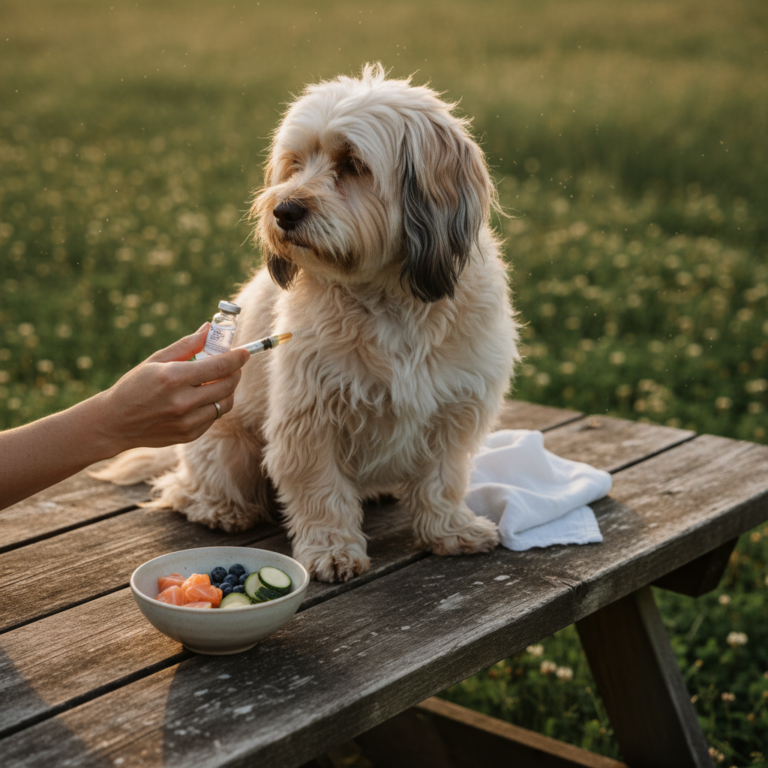
Omega fatty acid supplements (fish oil) are the standout here. They improve skin barrier function and have a mild anti-inflammatory effect. Other herbal supplements? The evidence is spotty. Discuss anything you try with your vet to avoid interactions.
6. Medication Management
Antihistamines like diphenhydramine help some dogs, but honestly, they’re hit-or-miss. For gnarly flare-ups, prescription medications like corticosteroids or newer targeted therapies (e.g., Apoquel, Cytopoint) provide fast relief. They’re tools, not permanent solutions, and come with side-effect profiles to discuss.
7. Diet as Foundation

For dogs with sensitive skin, a diet formulated for skin health is foundational. One I’ve seen reliable results with is Royal Canin dog food for skin allergies. It’s designed to support the skin barrier and is backed by feeding trials. It’s not magic, but it’s a clinically underappreciated piece of the puzzle.
Real Dogs, Real Fixes
Max, a Golden Retriever, had chronic ear infections every spring. Pollen allergies. We got him on a seasonal antihistamine protocol and swapped to a skin-supportive diet. His symptoms dropped dramatically.
Then there was Luna, a Bulldog with relentless itching. A strict elimination diet revealed a chicken sensitivity. Switched her to a salmon-based novel protein diet, the itching ceased within weeks. Works every time — almost.
Common Misconceptions That Waste Your Time
Is It Allergies or Just Fleas?
Flea allergy dermatitis is incredibly common and mimics other allergies. Rule fleas out definitively first. A single flea bite can trigger a reaction in a sensitive dog.
Are All Skin Issues Allergic?

Absolutely not. This is critical. Bacterial infections, yeast overgrowth, mites, and hormonal issues like hypothyroidism can all look like allergies. Chasing allergy treatments for a yeast infection is an exercise in frustration. A proper vet exam is non-negotiable.
What the Experts Say
The American College of Veterinary Dermatology (ACVD) stresses thorough diagnostics. Don’t skip steps. The American Veterinary Medical Association (AVMA) protocols are clear: a comprehensive history, physical exam, and *then* potential allergy testing guide the best course.
FAQs About Dog Allergies Treatment
Final Thoughts on Managing This Long-Term

Long-term management is a marathon, not a sprint. It hinges on an accurate diagnosis, a tailored, multi-pronged plan, and vigilant monitoring. Allergies evolve. What works this year might need adjustment next. Keep an open dialogue with your vet. That proactive partnership is what ultimately gives your dog—and you—a better quality of life.