
Last Updated on April 17, 2026 by Arlena Whitford
Mange treatment dogs is a frustratingly routine issue in my clinic. The constant scratching, the raw patches, the restless nights — it’s miserable for your pup and stressful for you. And the vet bills? They add up. But here’s the thing: you can get this under control. I’m laying out seven strategies I use daily, the ones that actually give these dogs relief.
Truth is, owners look this up because they’re desperate. And who can blame them? Understanding what you’re actually dealing with lets you build a sane daily routine — applying the right meds, keeping the environment clean, you know the drill. Consistent monitoring is just standard practice, it’s how you catch a flare-up before it gets out of hand.
At-a-Glance: Clinical Summary
Getting a Handle on Mange Types
Look, you can’t fix what you haven’t identified. Throwing the wrong treatment at the problem is a waste of time and money, and it lets your dog suffer longer. The two main culprits act very differently.
Sarcoptic Mange: The Contagious Itch
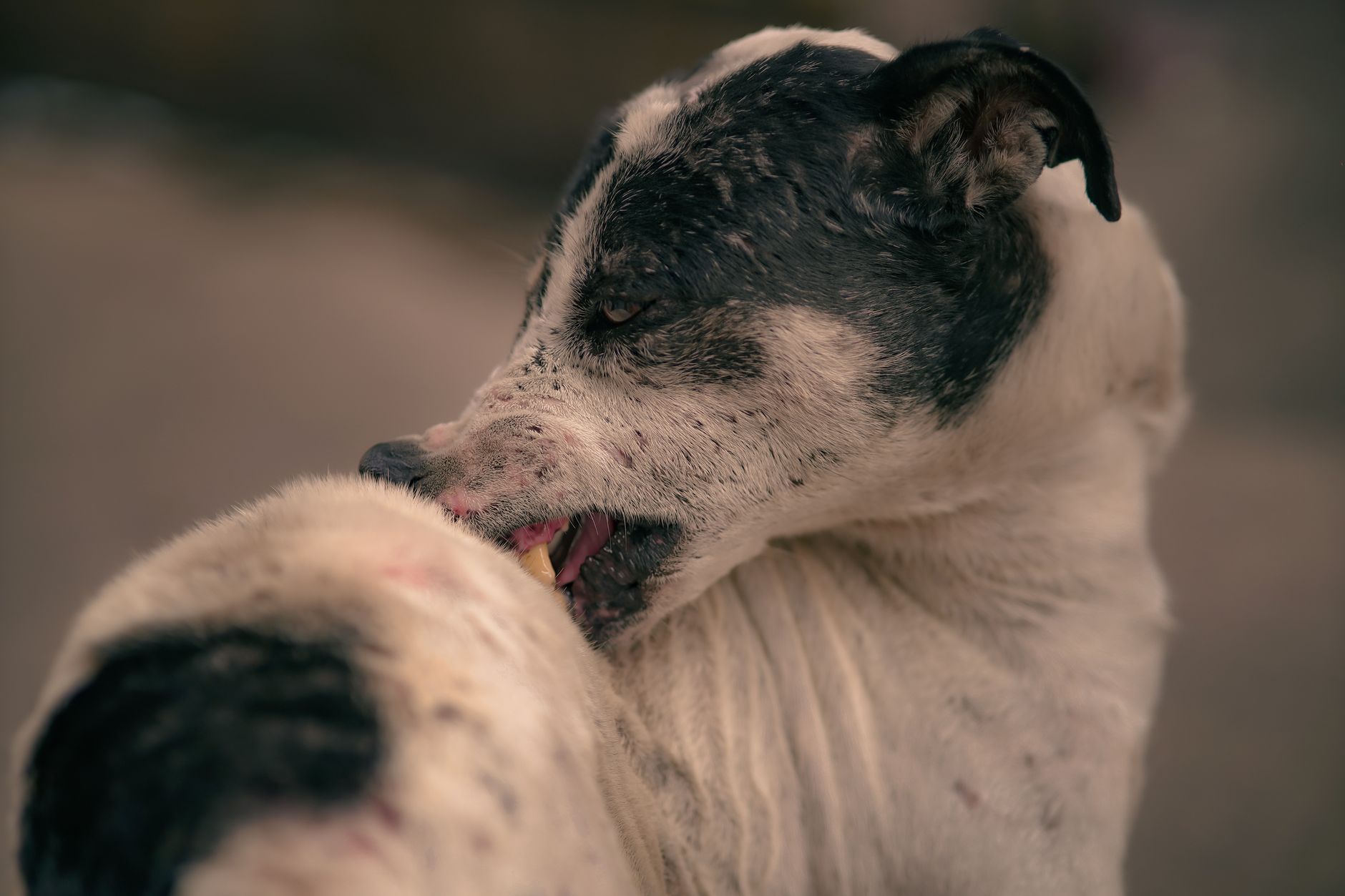
This one’s the classic “scabies,” courtesy of Sarcoptes scabiei. These mites are relentless. The itching is intense, often starting on the ear margins and elbows before it spreads everywhere. We diagnose via skin scraping, though sometimes we treat based on signs alone because those buggers are notoriously hard to catch.
How we tackle it:
- Topical Treatments. Amitraz dips or Selamectin spot-ons. They kill mites on contact and can take the edge off the itch. Application has to be thorough, and you can’t skip doses.
- Oral Medications. For widespread cases, we go systemic. Options like Ivermectin (under strict vet supervision, please) or newer scripts like Bravecto. They work from the inside out, it’s the nuclear option for stubborn infestations.
Anyway, the whole household might need treating, other pets included. And wash all the bedding in hot water. It’s tedious, sure, but it works.
Demodectic Mange: The Immune System Signal
Demodectic mange involves Demodex canis mites. Here’s the twist: every dog has a few of these mites living peacefully in their hair follicles. Problems erupt when the immune system falters — in puppies, seniors, or dogs under stress — and mite numbers explode. It’s less itchy than sarcoptic, but the hair loss and secondary infections can be dramatic.
Management is a two-pronged attack:
- Miticidal Therapy. We use lime-sulfur dips (smelly but effective) or medications like moxidectin. Goal is to crush the mite population. We’ll often pair this with antibiotics if there’s a skin infection brewing, those secondary infections are a huge part of the discomfort.
- Immune Support. This is the clinically underappreciated part. We bolster the system with high-quality, protein-rich food. And we address stress. I’ve seen cases clear up almost entirely after a major household stressor was removed, environment matters more than people think. This aligns closely with the importance of a balanced diet that meets AAFCO guidelines.
What You Can Do at Home
I’ll be straight: home remedies won’t eliminate a mite infestation. But they can provide decent enough comfort while the medical treatments do their job. Think supportive care.
Safe options to consider:
- Oatmeal Baths. For immediate, soothing relief from that maddening itch. Grind plain oatmeal into a powder, mix it into a warm bath, and let your dog soak. It’s a temporary fix, but it helps. Follow these expert-verified dog allergy oatmeal bath tips for best results.
- Apple Cider Vinegar. Can help balance skin pH. Mix it 50/50 with water in a spray bottle and mist it on affected areas — avoid open sores, because it will sting. It’s a mild antimicrobial.
The key is to use these alongside vet-prescribed plans, not instead of them. I’ve lost count how many times a client swears the vinegar rinse “fixed it,” only to be back in my office with a worse case three weeks later.
A Note on “Red Mange”
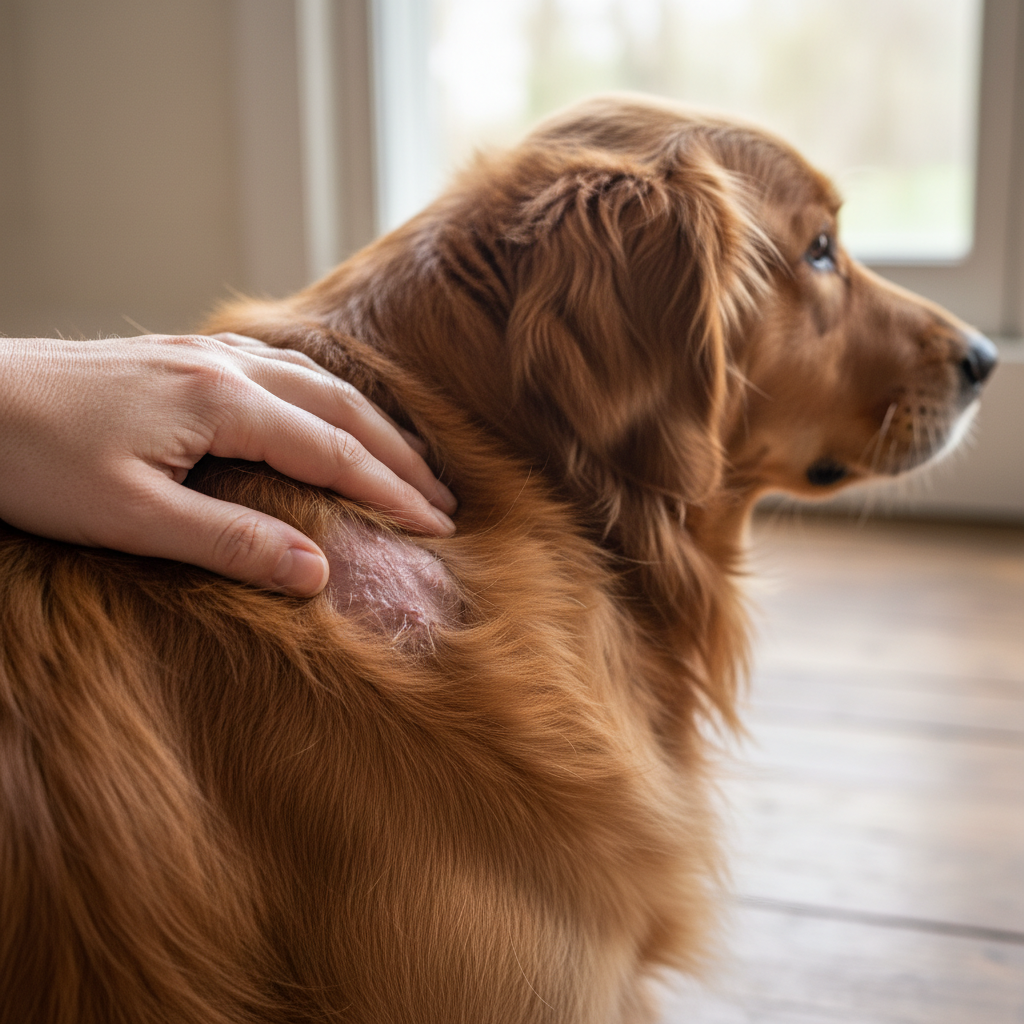
Clients often ask about “red mange.” This usually refers to a demodectic infection that’s caused significant inflammation and skin redness. It’s a visual cue that things are escalating. If you see it, vet attention is non-negotiable. Beyond the core treatments, two things help:
- Regular Grooming. Keeping the coat and skin free of debris removes mite real estate. For bad flare-ups, a professional groomer is a massive help.
- Medicated Shampoos. Benzoyl peroxide shampoos can help clear follicles and manage bacteria. Use them on the schedule your vet recommends — overdoing it dries out the skin and makes everything worse. Choosing the right shampoo is critical; check out these tips on what dog shampoo is best for itchy skin.
The Bigger Picture: Expert Insights
Don’t Skimp on Nutrition

This is the part owners most often overlook. Skin health is built from the inside. A balanced diet that meets AAFCO guidelines is step one. Then, we look at adding omega-3 fatty acids (fish oil is a go-to). Their anti-inflammatory properties are reliably useful for calming irritated skin. I’ve had dogs on premium diets who still itch because their specific need for, say, more zinc or a novel protein, wasn’t being met. Food is medicine, simple as that.
Wrapping This Up
Treatment for mange in dogs works when you match the strategy to the specific mite and the individual dog. It’s not one-size-fits-all. Annual check-ups catch things early, and good hygiene stops the cycle. Understanding the difference lets you advocate for your pet. That’s the goal.