Last Updated on March 25, 2026 by Arlena Whitford
Look, a dog allergy bump is usually the first visible clue there’s a deeper, frustrating problem. That relentless itching? It’s maddening for them and for you. Truth is, about 20% of dogs deal with this, and a hasty guess can stretch the misery for months. Here’s how to actually find the trigger behind those bumps and deal with them — using the methods we lean on in practice every single day.
Owners come in desperate, I get it. Your dog’s uncomfortable and the whole thing feels complicated. But understanding the basic management plan lets you build it into your routine, really. Consistency in watching for symptoms is the standard play, it’s the only way to make timely tweaks when things change.
At-a-Glance: Clinical Summary
What’s Actually Causing Those Bumps?
The Usual Suspects
You gotta know what you’re fighting. Allergens break down into three frustratingly routine categories: environmental, dietary, and the parasitic kind.
- Environmental Allergens. Think pollen, dust mites, mold spores. They land on the skin, kick off a histamine party, and up come the bumps. Simple in theory, stubborn-as-hell in practice.
- Food Allergies. It’s usually the protein—chicken, beef, dairy. The immune system goes to war and it shows up as gnarly skin irritations, often with some gut trouble on the side. I’ve seen dogs itch for a year on ‘hypoallergenic’ lamb kibble, culprit was cross-contaminated chicken from the same factory line.
- Fleas. For a flea-allergic dog, one bite is a declaration of war. The saliva sets off an intense itch-scratch cycle that creates bumps and raw spots faster than you can say “prevention.”
What You’re Seeing Isn’t Everything
Catching the signs early changes the whole game. Look for:
- Non-stop scratching or licking, paws, ears, and rear end are prime targets.
- Red, angry-looking skin.
- Localized bumps or those oozing hot spots.
- Recurrent ear infections, often with gunky dark discharge.
That itch-scratch cycle is brutal. It wrecks the skin barrier and invites secondary bacterial or yeast infections in, which muddies the whole picture. Pay close attention.
How We Diagnose Dog Allergies in the Clinic
Veterinary Assessments and Tests
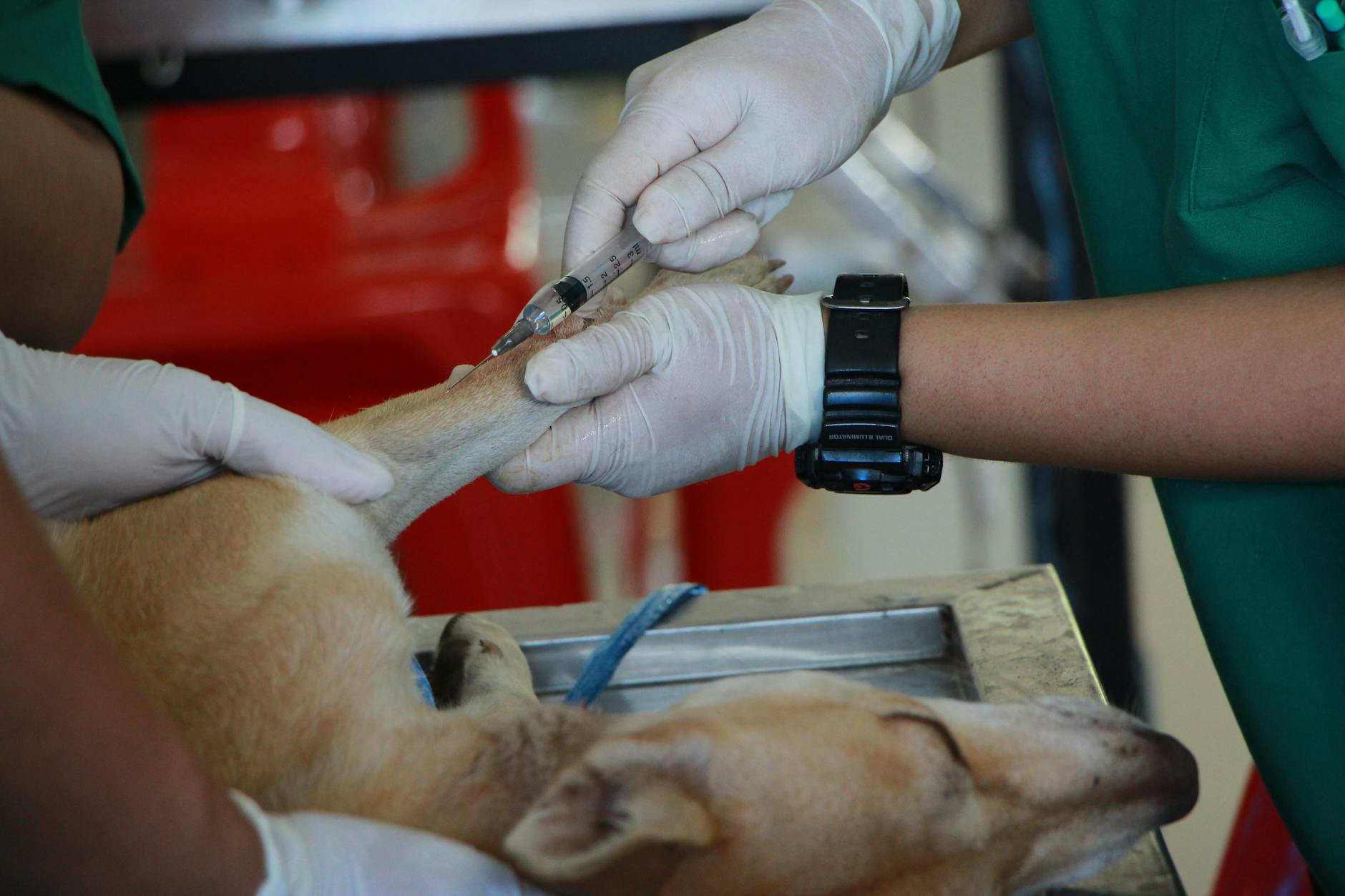
Throwing treatments at the wall to see what sticks is a terrible plan. A proper diagnosis is the only reliable path forward, really.
- Skin Tests. Intradermal testing is the gold standard for environmental stuff. We inject tiny amounts of potential allergens under the skin and watch for a reaction. It’s highly sensitive, gives us a tangible map of what to avoid or target for shots.
- Serologic Tests. Blood tests can offer clues, especially for dogs who can’t stop scratching long enough for skin testing or are on certain meds. They’re a useful piece of the puzzle, but not the whole picture — I’ve lost count how many times they’ve missed what a skin test caught.
- Elimination Diets. This is the definitive test for food allergies. It means feeding a strictly novel or hydrolyzed protein diet, and nothing else, for 8-12 weeks. No treats, no table scraps, no flavored meds. Client swears they were compliant, elimination trial later and boom, beef was the trigger all along (turns out the kids were sneaking cheese crackers).
Why a Rushed Diagnosis Fails
A surface-level guess usually leads to mismanagement. You might knock the symptoms back for a minute while the real trigger keeps wreaking havoc. Getting a nuanced understanding is the only thing that leads to lasting relief.
Seven Tactics for Treating Dog Allergy Bumps
1. Identify the Allergen

You can’t manage what you don’t know. Use the combo of tests your vet recommends — skin, blood, elimination diet — to get a real answer. Observation is key here. Keep a log of flare-ups: time of year, location on the body, recent diet changes. Works every time — almost.
2. Control the Immediate Environment
This is about damage control. Wash your dog’s bedding weekly in hot water. Run a HEPA air purifier where they sleep. Wipe their paws and coat down with a damp cloth after being outside. It’s simple, but reliably decent.
3. Make Smart Dietary Adjustments
If food is the culprit, a truly hypoallergenic or novel protein diet is the answer. “Novel” means a protein source your dog has literally never eaten before — like kangaroo or alligator. And you must commit to the full 12-week trial. No cheating. (And yeah, even the fancy boutique brands have cross-contact issues).
4. Use Topical Treatments Strategically
Medicated shampoos with ceramides or chlorhexidine can wash allergens off and soothe inflamed skin. For localized hot spots, a vet-prescribed hydrocortisone cream can break the itch cycle fast. Don’t over-bathe, though — it can dry things out and make it worse. Check out these best dog shampoo tips for itchy skin to choose the right product.
5. Consider Antihistamines for Dogs
Drugs like Benadryl (diphenhydramine) can take the edge off for some dogs, especially with seasonal flares. But they’re a band-aid, not a cure. Dosage is critical and weight-based, so get it from your vet, not the internet.
6. Think Long-Term with Immunotherapy
If specific allergens are pinned down, allergy shots or sublingual drops can desensitize your dog’s immune system over time. It’s a commitment, often 6-12 months to see real improvement, but it can be transformative for stubborn-as-hell cases.
7. Schedule Regular Veterinary Check-ins
This is an ongoing process. Your dog’s allergies can shift with age or environment. Regular check-ups let your vet adjust the plan, catch secondary infections early, and track progress. Proactive care prevents major flare-ups.
The Long Game: Managing Dog Allergies

Managing this is a marathon, not a sprint. It’s about consistent, daily habits and partnership with your vet. Track symptoms in a notebook — what helps, what doesn’t. That log is clinical gold during check-ups. Because understanding your dog’s unique, frustrating sensitivities is what finally gives them a comfortable life. Simple as that.
Frequently Asked Questions
Getting a handle on dog allergy bumps is messy and demands diligence. But pinpointing the trigger and sticking to a tailored plan makes all the difference. Your vet is your co-pilot here. Bring them the clues, and together you can map a way out.