Last Updated on April 2, 2026 by Arlena Whitford
A dog allergy to shampoo is a frustratingly routine issue in my clinic, I’ve lost count how many times. That relentless scratching. The raw, inflamed skin. Up to 20% of dogs will experience at least one allergic reaction in their lives, and the bath products you trust are often the culprits. Here’s how to pinpoint the trigger and find some relief, using the protocols we actually use daily.
Look, owners commonly end up here because shampoo reactions are everywhere you look. Management gets folded into your routine, sure, but it’s tedious. You gotta pick products carefully and watch the skin like a hawk. Consistency in monitoring is the standard, boring practice that actually works.
At-a-Glance: Clinical Summary
The Real Story Behind Shampoo Allergies
What are Dog Allergies to Shampoo?

Honestly, it usually stems from ingredients like sulfates, fragrances, even natural extracts like tea tree oil. When these get into the skin, they can kick off a histamine response. That leads to itching, inflammation. The thing about it is, you’ve gotta distinguish a true allergy from a simple irritant reaction — the treatment paths totally diverge.
Spotting the Signs
Symptoms can be subtle. Or they can be glaringly obvious. Look for:
- Excessive scratching or biting, especially right after a bath.
- Red, inflamed skin, sometimes warm to the touch.
- Hot spots or localized infections that just won’t quit.
- A coat that feels brittle or looks dull, honestly.
A thorough exam helps, but this often means ruling out other allergens like pollen or food first. I’ve seen dogs itch for 8 months straight on a ‘hypoallergenic’ diet — culprit was a heavily fragranced shampoo the owner loved.
Choosing the Best Dog Allergy Shampoo: A Practical Guide
1. Hypoallergenic Shampoo for Sensitive Skin
Picking a hypoallergenic shampoo is the first, most underappreciated step. These are made to minimize allergens, typically ditching added fragrances and synthetic junk. Look for ones with a nod from veterinary dermatologists — it’s a passable seal of safety.
2. Natural Ingredients for Gentle Care
Go for formulas with natural ingredients like oatmeal or chamomile. They soothe. But here’s the thing: natural doesn’t automatically mean safe. Some dogs react to plant extracts, too. You still have to check.
3. The pH-Balanced Imperative
A dog’s skin has a specific pH. Using a pH-balanced shampoo tailored for them helps maintain that critical barrier. Get this wrong, and you wreck the skin microbiome. That opens the door for secondary infections, which complicates everything.
4. When You Need Medicated Shampoos
For gnarly, stubborn-as-hell reactions, medicated shampoos enter the chat. These often contain anti-fungal or corticosteroid elements to douse inflammation and treat infections fast. Never start these without a vet’s say-so. The wrong one can make things worse, believe me.
5. Avoiding Common Irritants
Know the usual suspects: sulfates (SLS, SLES), artificial colors, and certain essential oils. Basically, if it makes a mountain of suds or smells like a perfume counter, be suspicious (and yeah, even the fancy boutique brands do this).
6. The Non-Negotiable Patch Test
Before a full-body bath, do a patch test. Apply a small amount on the inner thigh. Watch for 24-48 hours. This simple, clinically undervalued step can prevent a world of suffering. Works every time — almost.
7. Skin Health Starts From Within
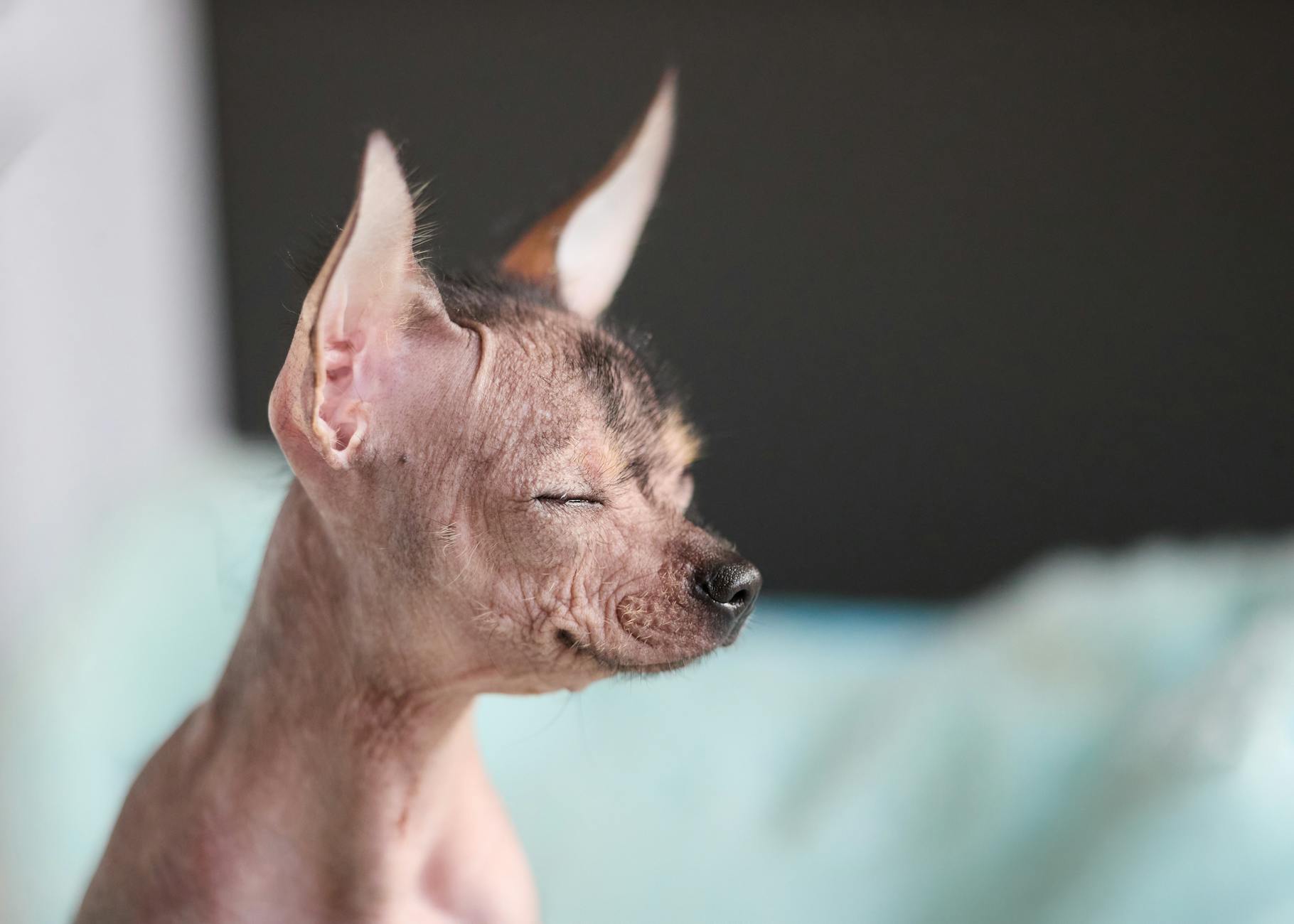
Pay attention to diet. A balanced diet rich in omega-3 fatty acids builds a more resilient skin barrier from the inside out. Supplements like fish oil are reliably useful for this. In my experience, it’s a solid foundation no topical product can replace. For detailed guidance on natural support, consider these expert-verified natural dog allergy treatment solutions.
Natural Dog Allergy Treatments That Actually Help
Shampoo is one piece. Sometimes you need extra support. A few natural adjuncts have merit:
- Quercetin: This natural anti-inflammatory can help put a lid on histamine release. Dosage is key, so get your vet’s recommendation.
- Probiotics: Gut health is linked to skin health. Adding a quality probiotic can sometimes dial down overall allergy symptoms.
- Oatmeal Baths: A cool oatmeal rinse offers temporary, soothing relief for fiery, itchy skin. It’s a good stopgap.
The Myth of the At-Home Dog Allergy Test
Is There a Simple At-Home Allergy Test?

Look, while no at-home test reliably pinpoints a shampoo allergy, some broader allergy tests can hint at sensitivities. Always, and I mean always, take those results to your veterinarian for interpretation. From what I’ve seen in practice, understanding the total antigenic load on your pet’s system shapes a better plan. Monitoring skin changes and environmental triggers is the enduring, unglamorous work of management.
Expert Summary
Managing this is about vigilance and smart choices. Pick your products with a skeptic’s eye. Support the skin from the inside. And watch your dog, not the calendar — regular monitoring beats any rigid schedule. Your vet is your partner for tailored solutions. Combine topical care with dietary support, and you’ve got a fighting chance to keep your dog comfortable. For ongoing care tips, check out our guide to dog allergy home treatment tips for relief.