
Last Updated on April 6, 2026 by Arlena Whitford
Figuring out how to cure dog allergy naturally can feel like a full-time job. The itching never really stops, does it? Conventional solutions fall short, vet bills stack up, and that new food you bought last month is probably just the same old ingredients in a different bag.
It’s a pervasive, frustrating cycle for you and your pup. Here’s the real path forward: identify the trigger, eliminate it, and rebuild your dog’s gut using protocols borrowed from board-certified veterinary dermatologists. It’s not a quick fix, but it’s the one that sticks.
At-a-Glance: Clinical Summary
What’s Actually Causing Your Dog’s Allergies?
You have to understand the mechanism, or you’re just guessing. Dog allergies come from a ton of sources—household dust, food proteins, pollen, you name it.
The body overreacts, flooding the system with histamines that cause all the gnarly itching, redness, and swelling. Truth be told, this histamine response goes into overdrive when the antigenic load is too high, basically overwhelming your dog’s immune defenses.
The Underappreciated Role of Diet
1. Limited Ingredient Diets
**Start here, no exceptions.** A limited ingredient diet slashes the number of potential allergens. The goal is to find a novel protein source your dog has literally never encountered—think kangaroo or rabbit.
This gives the immune system a badly needed break to reset itself. I’ve seen dogs on a “new” chicken diet for months, still itching. Because it wasn’t new at all.
2. Hypoallergenic Food Options
**Incorporate foods with** truly hydrolyzed proteins or novel ones like duck. These are less likely to set off a reaction. But read the labels obsessively.
Cross-contamination in manufacturing is a real problem, and it derails more elimination trials than anything else.
3. Probiotic Enrichment
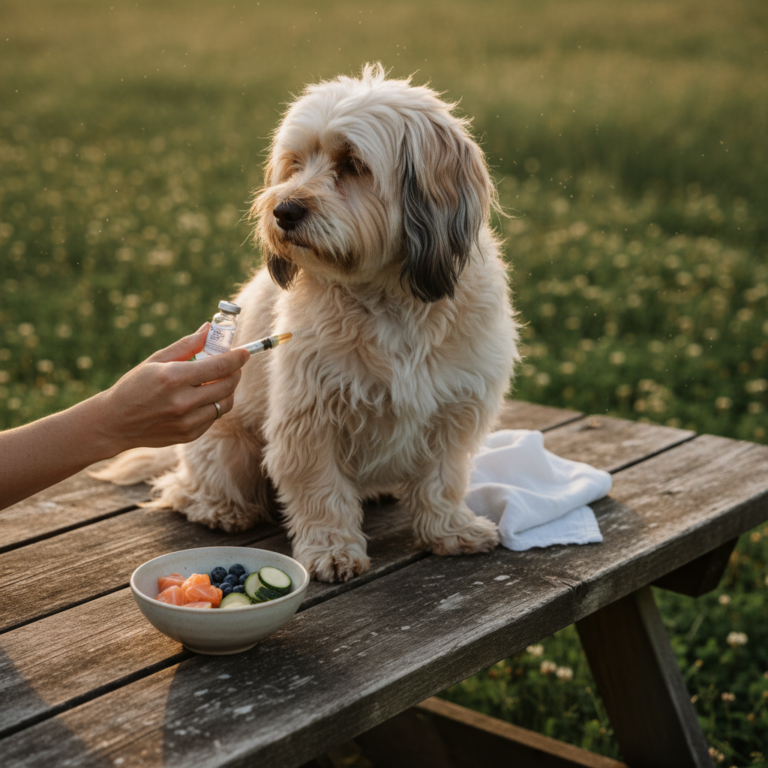
**Probiotics aren’t a** magic bullet, but they’re clinically undervalued for allergy management. An imbalanced gut microbiome exacerbates inflammation.
A good probiotic can help regulate the immune response and shore up the gut lining. Look for strains with research behind them, like *Lactobacillus rhamnosus*.
What Natural Treatments Actually Work for Dog Allergies?
Let’s talk about what you can do at home. Not all of it works, but some of it is reliably useful.
The Power of Oatmeal Baths
4. Dog Allergy Oatmeal Bath
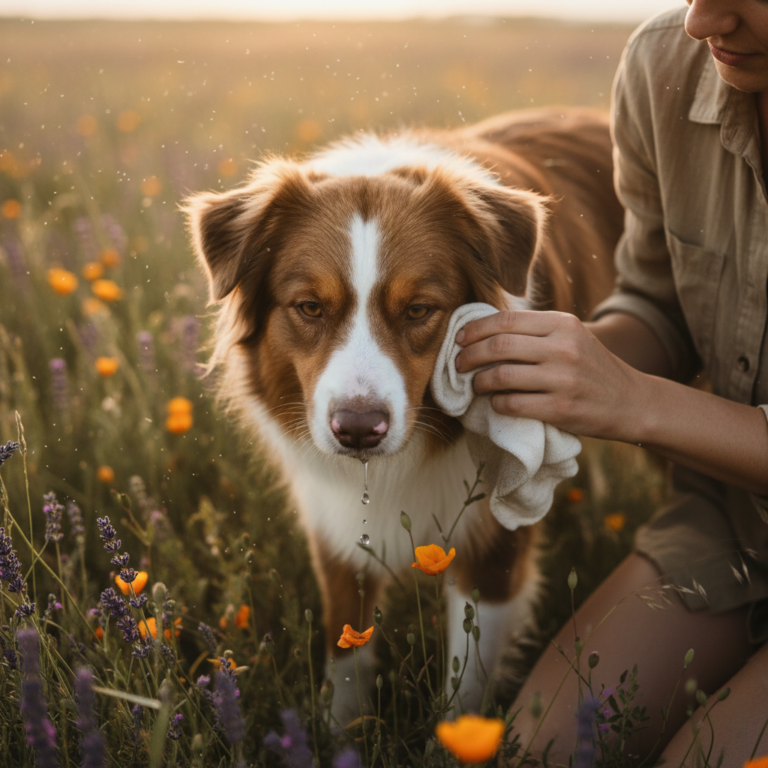
**This is one of** the best dog allergy home treatments, full stop. Colloidal oatmeal has genuine anti-inflammatory properties.
It forms a protective film on the skin, which calms itching and irritation fast. Make it your first line of defense during a flare-up. Just don’t overdo it—too-frequent bathing can dry the skin out.
Using Essential Oils with Extreme Caution
5. Natural Essential Oil Remedies
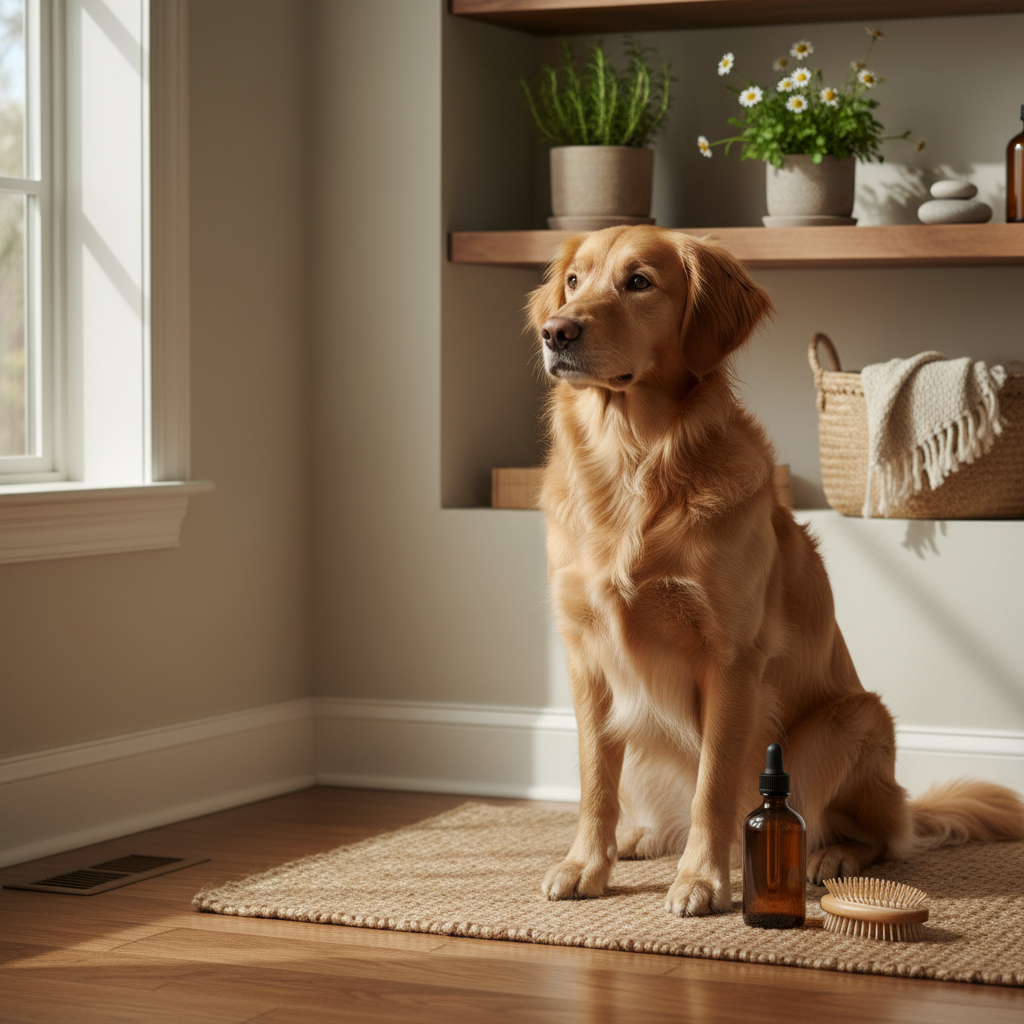
**Some oils, like** lavender and chamomile, can be soothing. The keyword is *can*. You must dilute them heavily in a carrier oil like coconut or jojoba.
And always, always patch test a small area on your dog’s skin first. I’ve had patients come in with worse rashes from undiluted tea tree oil. Not all dogs tolerate them.
Are At-Home Tests Worth It?
6. At Home Dog Allergy Test
**These blood test** kits can point you toward potential environmental triggers like specific grasses or molds. They’re not perfect, but knowing the suspects lets you target your environmental control more effectively.
They’re less reliable for food allergies, though. For that, you still need a strict elimination diet.
Picking a Shampoo That Doesn’t Make It Worse
7. Best Dog Allergy Shampoo
**This is key.** You need a hypoallergenic dog shampoo free of perfumes, dyes, and harsh sulfates. Seek out formulas with colloidal oatmeal or aloe vera—they cleanse while they soothe.
And please, follow the instructions. Leaving shampoo on too long is a common mistake.
Managing Dog Allergies for the Long Haul
This is a marathon, not a sprint. Management requires a layered approach. You’ll need to constantly reassess your dog’s environment—wash bedding weekly, use a HEPA filter, maybe even wipe paws after walks.
Work with your vet to tweak the diet and treatments as needed. A combination of diligent environmental control and consistent natural support tends to yield the best outcome. That’s the whole trick.
FAQ Section
In summary, tackling dog allergies naturally means playing detective with your dog’s unique triggers, committing to a strategic diet, and using supportive natural treatments carefully. Partner with your veterinarian—they’ve seen this before. Together, you can build a more comfortable life for your itchy friend.