Last Updated on March 30, 2026 by Arlena Whitford
Wipes for dog allergies are a tool I recommend constantly. I see the misery every day — that relentless scratching, the raw patches, the sleepless nights. With over 20% of dogs dealing with some form of allergy, finding simple relief isn’t just nice, it’s clinically massive. These wipes can be a solid enough part of your routine, but only if you pick the right ones.
Look, owners always want a quick fix. And truth is, wiping your dog down is one of the few immediate things that actually does something. It’s tedious, sure, but it works.
At-a-Glance: A Quick Clinical Rundown
What Are Dog Allergy Wipes, Really?

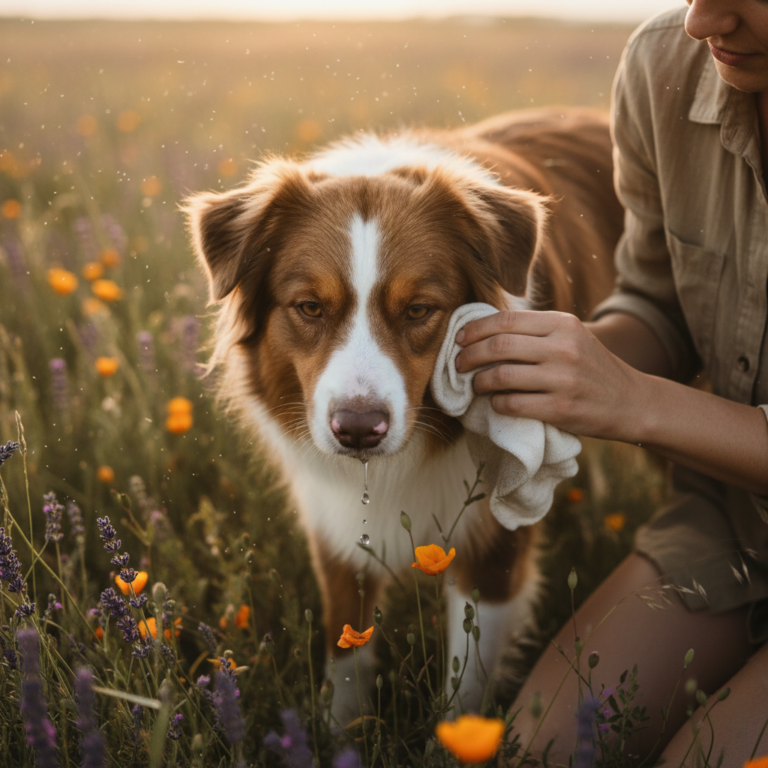
Think of them as a targeted cleaning system. Dog allergy wipes are made to do two jobs: clean the gunk off and calm the itch a bit. They’re usually infused with things like aloe for that instant soothing effect. But here’s the thing, their core job is physical removal. They eliminate the allergens—pollen, dust, dander—that cling to your dog like static. This directly decreases the antigenic load, which is a fancy way of saying they give the immune system a breather. Simple as that. Really.
I’ve lost count how many times a client swears it’s environmental, but a strict wipe-down after walks breaks the cycle. The paws and belly are ground zero and often the focus of 5 Expert-Verified Treatments for Dog Allergy on Paws.
The Safety Question: Are Dog Wipes Safe for Allergies?
Most are safe if used right. The big caveat? The ingredient list. I’ve seen too many “soothing” wipes packed with alcohol or perfume that just torch already-sensitive skin. You have to check. Look for wipes specifically labeled for allergic dogs, and make sure they’re free of alcohol and artificial fragrances. The whole goal is to support the skin’s barrier, not assault it.
A Quick Note on “Hypoallergenic”

This term isn’t rigorously regulated. It generally means fewer common irritants, but it’s not a guarantee. Your dog could still react. I always suggest patch-testing a new wipe on a small area of the inner leg before going full-body, seen a dog get a gnarly rash from a “hypoallergenic” brand that changed its formula.
How They Actually Help with Allergic Reactions
The mechanism is straightforward. Wipes physically remove the offending particles. Pollen from the walk, dust mites from the couch, grass clippings. They also absorb excess moisture and oils, which is huge. Damp, oily skin is a paradise for yeast and bacteria, and allergic skin is prone to secondary infections. By keeping the surface cleaner and drier, you reduce inflammation and that maddening itch drive. It’s not a cure. It’s management. But good management makes all the difference. For more on managing itchy skin safely, see 7 Expert-Verified Tips on What Dog Shampoo Is Best for Dogs with Itchy Skin.
How Often Should You Wipe?
This isn’t one-size-fits-all. Twice a week is a passable maintenance routine for many. During high pollen seasons or after every walk in the park? Daily might be needed. I had a client with a golden retriever who was a pollen magnet—daily wipes after outdoor time were the only thing that stopped the cycle of paw-licking and ear infections. Regular use keeps allergens from building up.
Can You Make Your Own Allergy Wipes?

Absolutely. DIY can be a stellar option if you’re wary of commercial ingredients. It lets you control everything. A basic, decent enough recipe: mix distilled water, a bit of pure aloe vera gel, and a teaspoon of coconut oil. Soak soft cloths in it, wring them out so they’re just damp, and store them in a sealed container in the fridge. The coolness adds extra relief. Just be mindful of shelf life—without preservatives, this mix won’t last more than a few days. Works every time — almost.
Ingredients to Avoid Like the Plague
Scanning the label is your most important job. Avoid these irritants:
- Alcohol: Dries out the skin. Makes everything worse.
- Fragrances/Parfum: A pervasive trigger for reactions. Completely unnecessary.
- Parabens: Some dogs react, why risk it?
- Harsh surfactants (like SLS): They strip the skin. You want to clean, not degrease.
Stick with hypoallergenic formulas. Your dog’s comfort depends on it.
Where to Find Quality Wipes
Your most reliable sources are, in order: your veterinary clinic, reputable specialty pet stores, and trusted online retailers. Vet clinics often carry clinical-grade brands you won’t find elsewhere. Online, dig into reviews and look for brands with transparent ingredient lists. Never just grab the first pack you see. And always run your choice by your vet—they know your dog’s specific, stubborn-as-hell history. Regular check-ins can be part of a broader 7 Expert-Verified Natural Dog Allergy Treatment Solutions plan.
Wrapping This Up
Getting a handle on wipes for dog allergies is about adding a simple, proactive tool. Choose hypoallergenic, alcohol-free options. Use them consistently, especially after potential exposure. But remember, they’re one piece of the puzzle. Regular check-ins with your vet are non-negotiable for fine-tuning a plan that actually works. It’s a process, but relief is possible. For complementary care tips, check out 7 Expert-Verified Dog Allergy Home Treatment Tips for Relief.