Last Updated on April 6, 2026 by Arlena Whitford
Figuring out how to cure dog allergy naturally starts with recognizing the maddening cycle. It affects up to 20% of dogs. The itching is relentless.
Vet bills pile up. And that new food you bought last month? Probably the same old triggers in a different bag. You need a clear plan to identify the culprit, remove it, and heal your dog’s gut from the inside out.
These are the same protocols I see board-certified dermatologists use.
At-a-Glance: Clinical Summary
1. Pinpointing the Problem: At-Home Allergy Testing
Let’s talk about at-home dog allergy tests. They analyze a blood sample to identify reaction patterns to various foods and environmental substances.
This gives you a data-driven starting point—a blueprint, if you will—instead of just guessing. The major benefit? It can drastically reduce the frustrating trial-and-error phase with foods.
But here’s the thing: these tests are a map, not the territory. They guide your next steps, but you still have to walk the path.
I’ve seen them save clients months of frustration, especially when environmental allergens are the primary driver.
2. The Foundation: Implementing a Limited Ingredient Diet
Switching to a limited ingredient diet is the most clinically undervalued step you can take. It allows you to control every single protein and carb your dog eats.
Start with one novel protein source—think duck or venison—paired with one simple carbohydrate. And it must be free of common triggers like corn, soy, and wheat.
The process is methodical. You stick with this baseline diet for 8-12 weeks, no deviations.
Then, reintroduce one old ingredient every 3-4 weeks and watch like a hawk. Any return of itching tells you everything.
Truth be told, most failures happen in the kitchen. Shared bowls, well-meaning family members, even that lick of peanut butter can sabotage the whole endeavor.
Why This Diet Works
It’s not just about removing allergens. It’s about giving the gut a chance to repair itself. Chronic allergies often stem from a leaky gut barrier, letting partially digested proteins into the bloodstream where they trigger an immune response.
A simple, clean diet reduces the assault.
3. Natural Supplements and Herbal Supports
Natural treatments can be solid allies. Ingredients like nettle and quercetin have legitimate anti-inflammatory properties.
They offer relief without the harsh side effects you sometimes see with long-term steroid use. But dosage is everything.
What works for a Labrador won’t suit a Chihuahua. You must consult your vet for a tailored plan.
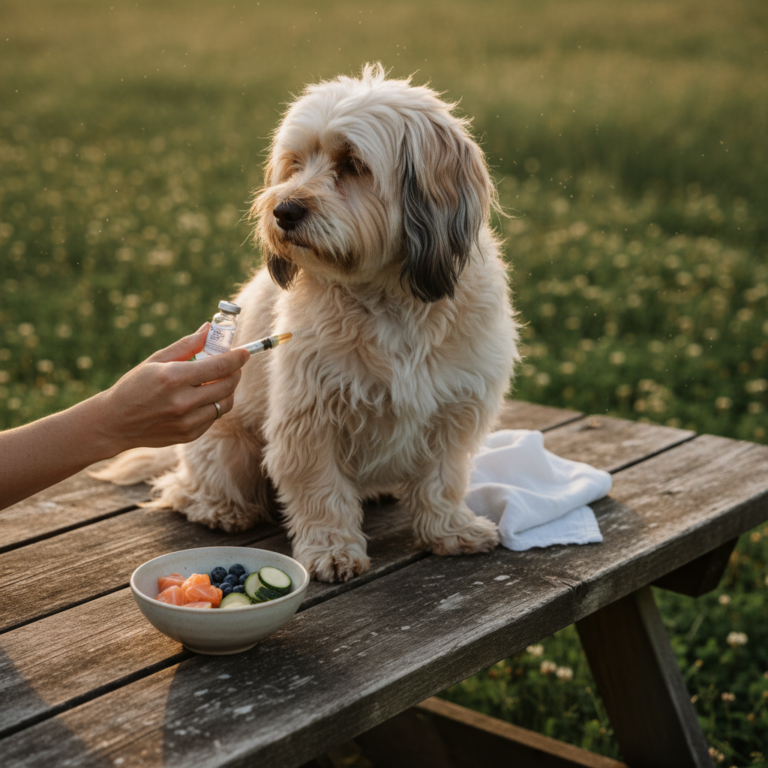
I often recommend a high-quality fish oil supplement for the omega-3 fatty acids—they’re reliably useful for calming inflamed skin from the inside. Just be patient. These aren’t overnight fixes.
4. Bathing Regimen: Choosing the Right Shampoo
Finding the best dog allergy shampoo is non-negotiable for skin health. Skip anything with sulfates, parabens, or heavy fragrances.
Look for formulas with colloidal oatmeal or aloe vera; they soothe and moisturize without stripping natural oils.
Lather, let it sit for a good 5-10 minutes so the ingredients can actually work, then rinse thoroughly.
Always follow with a conditioner to lock in that moisture. Bathing frequency? It’s a balancing act.
Over-bathing dries the skin out, under-bathing lets allergens build up. For most allergy dogs, a rinse with plain water after walks and a full bath every 2-3 weeks is a good starting point.
Your vet can fine-tune this.
5. Soothing Oatmeal Baths at Home
A dog allergy oatmeal bath is a classic for a reason. It’s simple. Grind plain oatmeal into a fine powder, mix it into a tub of warm water, and let your dog soak.
The oat compounds form a protective, soothing film over irritated skin. It calms the itch. Provides temporary relief.
That’s the whole trick. Just pat them dry gently afterwards—no vigorous rubbing.
This is a great stopgap for flare-ups while you work on the long-term plan.
6. Adjusting Your Dog’s Environment
Environmental allergies are stubborn. They exacerbate everything. Regular cleaning is crucial, but you have to be smart about it.
Use a vacuum with a HEPA filter. Wash bedding in hot water weekly.
An air purifier in the room where your dog sleeps can make a noticeable difference for airborne allergens like pollen and dust mites.
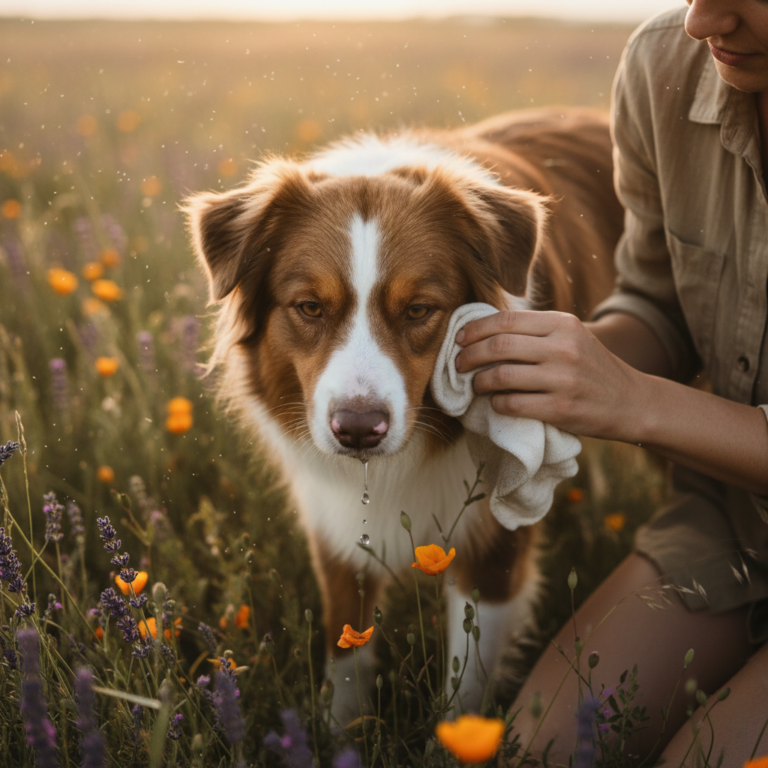
Consider hypoallergenic covers for their bed. And wipe their paws and coat with a damp cloth after coming inside.
It’s a small habit that removes a shocking amount of allergens. These adjustments seem minor, but collectively they lower the overall allergic load on your dog’s system. It matters.
The Pollen Problem
Spring and fall are notoriously gnarly. Keeping windows closed and using air conditioning during high-pollen days can be a game-changer for an atopic dog.
I tell clients to check local pollen counts and plan walks accordingly.
7. The Critical Role of Regular Vet Check-Ups
Never underestimate the value of a consistent veterinary relationship. Regular check-ups let you stay proactive.
We can track subtle changes, tailor ongoing treatments, and integrate new approaches.
My expertise is in connecting the dots between the test results, the diet log, and what I see on your dog’s skin.
We might discuss referral to a dermatologist (ACVD-certified) for intractable cases, or explore advanced therapies.
This isn’t a one-and-done visit. Managing allergies is a marathon, and having a guide is invaluable.
FAQs
Closing Clinical Recap
Managing dog allergies is a commitment. It requires a layered strategy—dietary diligence, environmental control, and consistent veterinary partnership.
There’s rarely a single magic bullet. But by addressing these areas systematically, you can restore your dog’s comfort.
You’ll get fewer sleepless nights listening to them scratch. More happy, cozy days. That’s the goal.