Last Updated on February 27, 2026 by Arlena Whitford
Natural dog allergy treatment is often the last thing owners consider, but it shouldn’t be. More than 15% of dogs deal with environmental or food-related allergies. That’s a lot of chronic discomfort.
The itching is relentless. Vet bills pile up. And that new food you bought? Probably has the same old ingredient. Here’s how to actually find the trigger, cut it out, and get your dog comfortable again — using strategies we dermatology folks stand by.
At-a-Glance: What Actually Works
1. Identify Common Allergens
You can’t fix what you don’t know. So the first, most underappreciated step in any natural dog allergy treatment is playing detective.
Is it food? Something in the air? Start with an elimination diet. It’s a hassle, but it works.
Pull the common culprits — beef, chicken, dairy, wheat — for a solid eight weeks.
Then reintroduce them one by one. Watch closely for symptoms to flare. But here’s the kicker: even “hypoallergenic” or “novel protein” bags can be problematic if the protein source is similar to what’s causing the issue.
2. The Diet Shift
Once you suspect a food trigger, the diet becomes paramount. A limited-ingredient diet with a truly novel protein—think kangaroo, venison, or even alligator—can dramatically lower the antigenic load.
The goal is to starve the allergic response. Just make sure any diet meets AAFCO standards for complete nutrition.
You’re managing an allergy, not creating a deficiency. And while you’re at it, consider weaving in supplements that support the process.
Why Balance Matters
Anecdote time: I had a client feeding a home-cooked rabbit diet. The dog’s itching improved, but its coat went dull and energy plummeted.
They’d missed key nutrients. A balanced, AAFCO-compliant limited-ingredient kibble solved both problems. Don’t sacrifice the foundation.
3. Utilize Omega-3 Fatty Acids
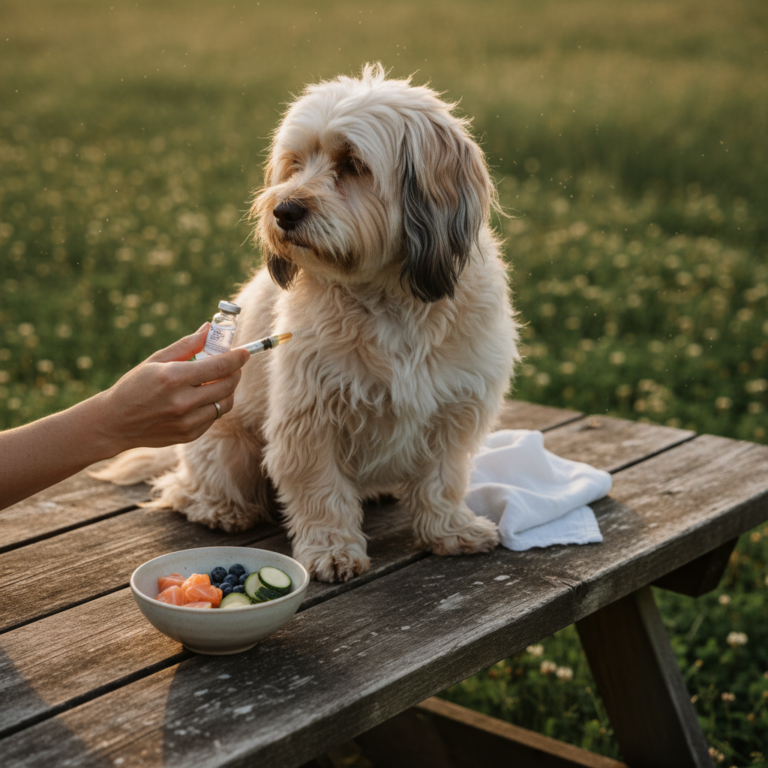
Fish oil. It’s not just a trend. The role of omega-3 fatty acids (EPA and DHA) in skin health is well-documented.
They help fortify the skin barrier and modulate the inflammatory cytokines that make allergies so miserable.
Basically, they make the skin more resilient and less reactive. Research shows a noticeable drop in pruritus (the fancy word for itching) and inflammation with consistent use.
Happier dogs, fewer sleepless nights. Dosing is key.
A typical veterinary recommendation is 75-100 mg of combined EPA/DHA per kilogram of body weight daily.
And please, source a high-quality supplement purified from heavy metals. The cheap stuff can do more harm than good.
4. Explore Herbal Remedies
Herbs like quercetin and nettle have gained a real following. Some call quercetin “nature’s Benadryl” because it stabilizes mast cells and reduces histamine release.
Nettle has similar anti-inflammatory perks. They can be a useful part of the toolkit for mild to moderate cases.
You’ll find them as powders or liquid extracts. The thing is, dosage isn’t one-size-fits-all.
You need to follow vet-recommended guidelines to be safe and effective.
In my experience, they can take the edge off, but they’re rarely a solo act for a dog with stubborn allergies.
5. Apply Topical Treatments for Immediate Relief
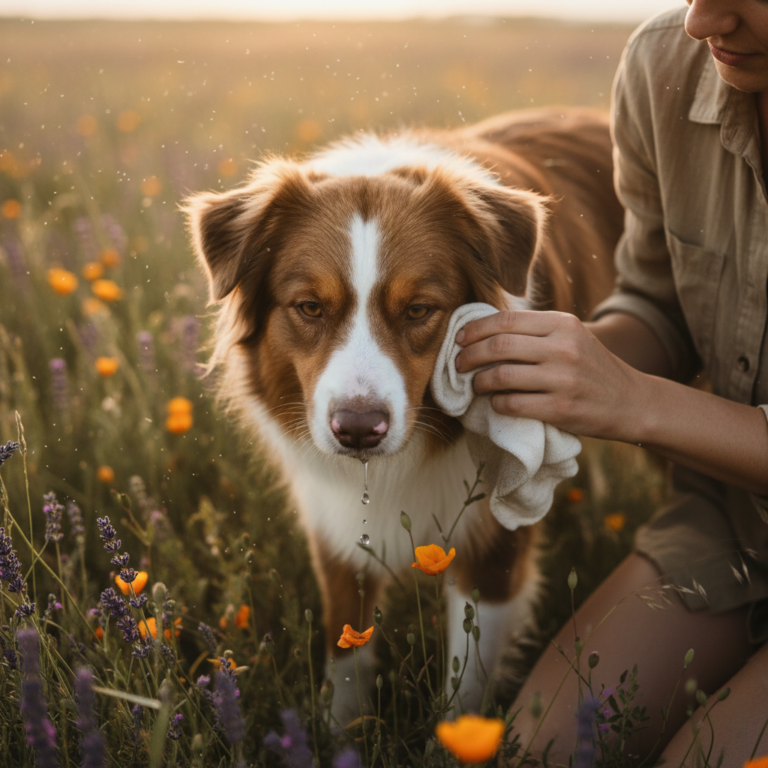
When the skin is on fire, you need something now. Topical treatments offer that. Aloe vera gel is a classic for a reason — it soothes and moisturizes inflamed skin on contact.
Use the pure stuff, straight from the plant or a trusted, additive-free gel.
For more pervasive issues, a medicated or hypoallergenic shampoo is a workhorse.
It physically washes allergens off the coat and soothes the skin. Bathe regularly, but not so much you strip natural oils.
Once or twice a week is often the sweet spot during flare-ups.
A Quick Warning
That aloe plant on your windowsill? Great. But avoid any topical product containing alcohol, xylitol, or added fragrances.
They can turn a bad situation gnarly.
6. The Local Honey Question
This one’s interesting. The theory is that local honey contains trace amounts of local pollen. Giving it regularly might act like a crude, natural immunotherapy, building tolerance over time.
Try adding about a teaspoon of raw, local honey to your dog’s food daily. Monitor over several weeks.
Truth be told, the scientific evidence is thin, but the anecdotal reports from owners are persistently positive.
It’s low-risk and might help for environmental triggers. Worth a shot.
7. Maintain a Clean Environment
Natural dog allergy treatment doesn’t stop with what you put in your dog. It’s about what’s around them.
Environmental control is clinically undervalued. Wash bedding weekly in hot water. Wipe down toys.
An air purifier with a HEPA filter can trap airborne pollen and dust. It’s about reducing the total allergen assault.
Regular baths with that hypoallergenic shampoo also fall here — it’s environmental control on the dog itself.
If you’re unsure about products, a quick chat with a veterinary dermatologist (ACVD member) can point you to the right one.
Wrapping This Up
Long-term allergy management is a marathon. It hinges on identifying the specific triggers and layering a nuanced, multi-pronged approach.
Natural treatments, combined with strict dietary and environmental controls, can massively upgrade your dog’s comfort.
But always, always loop in your vet. Collaborate to build a plan that’s tailored, safe, and actually works for your unique pup.
Natural dog allergy treatment offers a real path forward. It’s about thoughtful, layered care that gives your dog a break from the constant discomfort. And that’s the whole point.