Last Updated on April 18, 2026 by Arlena Whitford
Allergy shots for dogs can be a game-changer for your itchy, miserable mutt. The non-stop scratching, the angry red skin, the sleepless nights — it’s hell for them and exhausting for you. You’ve probably got a plan from your vet, but the details are murky. Let’s fix that.
Look, dog owners want info to help manage the daily grind with their allergic pet. In practice, we use these protocols to track symptoms and tweak the plan. Honestly, consistency in monitoring is the whole ballgame — it’s how we spot trends and make a decent call on what to do next.
Here’s my tired, no-BS breakdown on shot types, the real deal with at-home allergy tests, the honest pros and cons, and what board-certified dermatologists actually trust.
At-a-Glance: The Clinical Summary
The Nuts and Bolts of Canine Immunotherapy
What Are Dog Allergy Shots, Really?

In my clinic, we call it immunotherapy. Truth is, it’s a long-term play to desensitize your dog’s overactive immune system. We introduce tiny, controlled amounts of the very thing they’re allergic to — pollen, dust mites, mold. The dose creeps up over months. The goal is to incrementally teach their body not to freak out, it’s a slow retraining. And look — it doesn’t work for everything. Food allergies? That’s a dietary management puzzle. Shots are for environmental triggers, period.
The Two Main Paths: SCIT vs. SLIT
- Subcutaneous Immunotherapy (SCIT) This is the classic method, the one with the most data behind it. A series of injections, usually starting in-clinic. The dose increases on a set schedule. For most dogs, it’s the most reliably useful long-term option we have, it’s the clinical standard.
- Sublingual Immunotherapy (SLIT) Less common, but a solid alternative. Instead of a shot, we use allergenic drops under the tongue. Good for dogs (or owners) who are needle-averse. Some data suggests dogs tolerate it well, maybe even see improvement faster. Honestly, the research is still evolving, but it’s a legitimate tool.
Can You Give Dog Allergy Shots at Home?
Sometimes, yes. After the initial build-up phase in the clinic, many of us will train owners to do maintenance shots at home. It’s a huge convenience. But you must get the green light and explicit training from your vet first. You need crystal-clear guidance on dosage, timing, and — critically — how to spot a reaction. We’re talking minor swelling at the site or, rarely, something more gnarly. You have to be vigilant. I’ve seen dogs do great with it for years.
Weighing the Good and the Bad
The Upsides:
- Durable Relief. Some dogs achieve what we call remission. The itching just… stops. This can sometimes happen after a year or so of consistent treatment.
- Less Medication. A massive win. Success with shots often means we can ditch the constant steroids and antihistamines, which have their own baggage.
- It’s Custom. This isn’t a one-size-fits-all pill. The vial is mixed specifically for what *your* dog reacts to.
The Downsides:
- It’s a Grind. The time commitment is clinically massive. Regular visits, then ongoing shots. It demands dedication.
- Upfront Cost. The initial testing and custom serum aren’t cheap. The long-term savings can balance it, but the first invoice stings.
- Possible Reactions. It’s introducing an allergen, so there’s always a risk. Most are minor. But you have to watch.
A Quick Word on Flea Allergy & Home Care

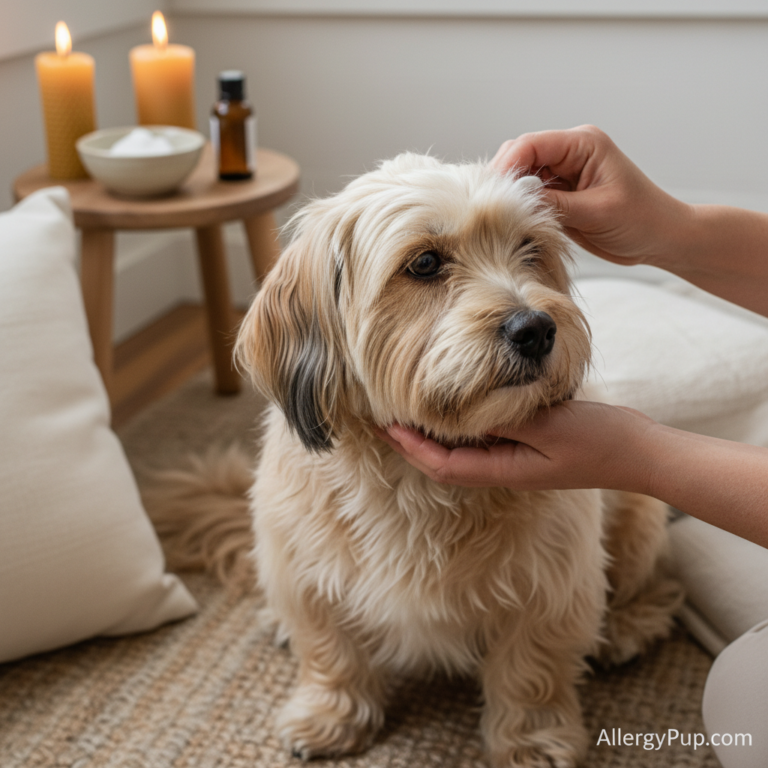
Flea allergies are a special torment. They require aggressive, immediate flea control above all else — and yeah, even the fancy boutique brands can miss the mark if you’re not consistent. For soothing the skin at home, some clients find temporary relief with:
- Oatmeal Baths. Soothes the itch. A decent enough stopgap. Check out our dog allergy oatmeal bath tips for safe techniques.
- Coconut Oil. Massaged in, it can moisturize.
- Diluted Lavender Oil. Has calming properties, but dilute it properly.
And run these by your vet before trying them, especially if your dog is on immunotherapy. You don’t want to muddy the waters.
Navigating At-Home Allergy Tests
The kits you order online are tempting. I get it. The best ones screen for a range of environmental allergens by checking for IgE antibodies. The results can give you a starting map. But here’s the thing I tell every client: these are preliminary. You must bring the findings to your veterinarian for a clinical correlation. We see false positives. We see irrelevant positives. A test alone doesn’t make a diagnosis, I had a client swearing it was mold — elimination trial later and boom, dust mites.
Final Thoughts from the Clinic
Allergy shots can be transformative. But they’re not a magic wand. They demand a real partnership between you and your vet, a ton of patience, and consistent monitoring. Getting a handle on the different types and the supporting care strategies empowers you to make the best choices. You stop feeling lost.