Last Updated on April 21, 2026 by Arlena Whitford
Atopic dermatitis in dogs is a chronic, stubborn-as-hell condition. It’s everywhere you look, honestly. That relentless scratching and inflamed skin wrecks their whole vibe. Leaves owners feeling powerless, watching their dog cycle through one skin infection after another. Truth is, most topical creams are just a band-aid, and swapping foods usually misses the real trigger entirely.
So here’s the real-world approach I use every single day — the one that actually works in the clinic. You’ve got to get to the root cause if you want real relief. And look, consistency in watching for symptoms isn’t just good practice, it’s the whole game.
At-a-Glance: The Clinical Summary
What Is Canine Atopic Dermatitis, Really?

Clinically, it’s a hypersensitivity reaction. Your dog’s immune system goes haywire over normal environmental junk — pollen, mold, dust mites. This maladaptive response dumps histamines and cytokines, which fire up the inflammation. The result is that maddening itch, the redness, and a skin barrier that’s basically full of holes, letting secondary bacterial infections waltz right in.
It’s a vicious cycle. Scratch, damage, infect, itch more. I’ve seen dogs chew themselves raw for 18 months straight on a “hypoallergenic diet“, culprit was cross-contaminated lamb from the same factory line.
Getting the Diagnosis: The Key Signs
Getting this right is the first step. We don’t guess.
- Clinical History is King. I need the timeline. When did it start, where does he itch most, is it seasonal? This tells me more than any lab result ever could.
- The Physical Exam. I’m looking for patterns. Chronic ear gunk, licking between the toes, red armpits — these are the classic, frustratingly routine signs.
- Allergy Testing. Once we suspect atopy, skin or serum testing helps pinpoint the culprits. It’s not perfect, but it gives us a map for avoidance, which is half the battle.
Building a Treatment Plan That Works
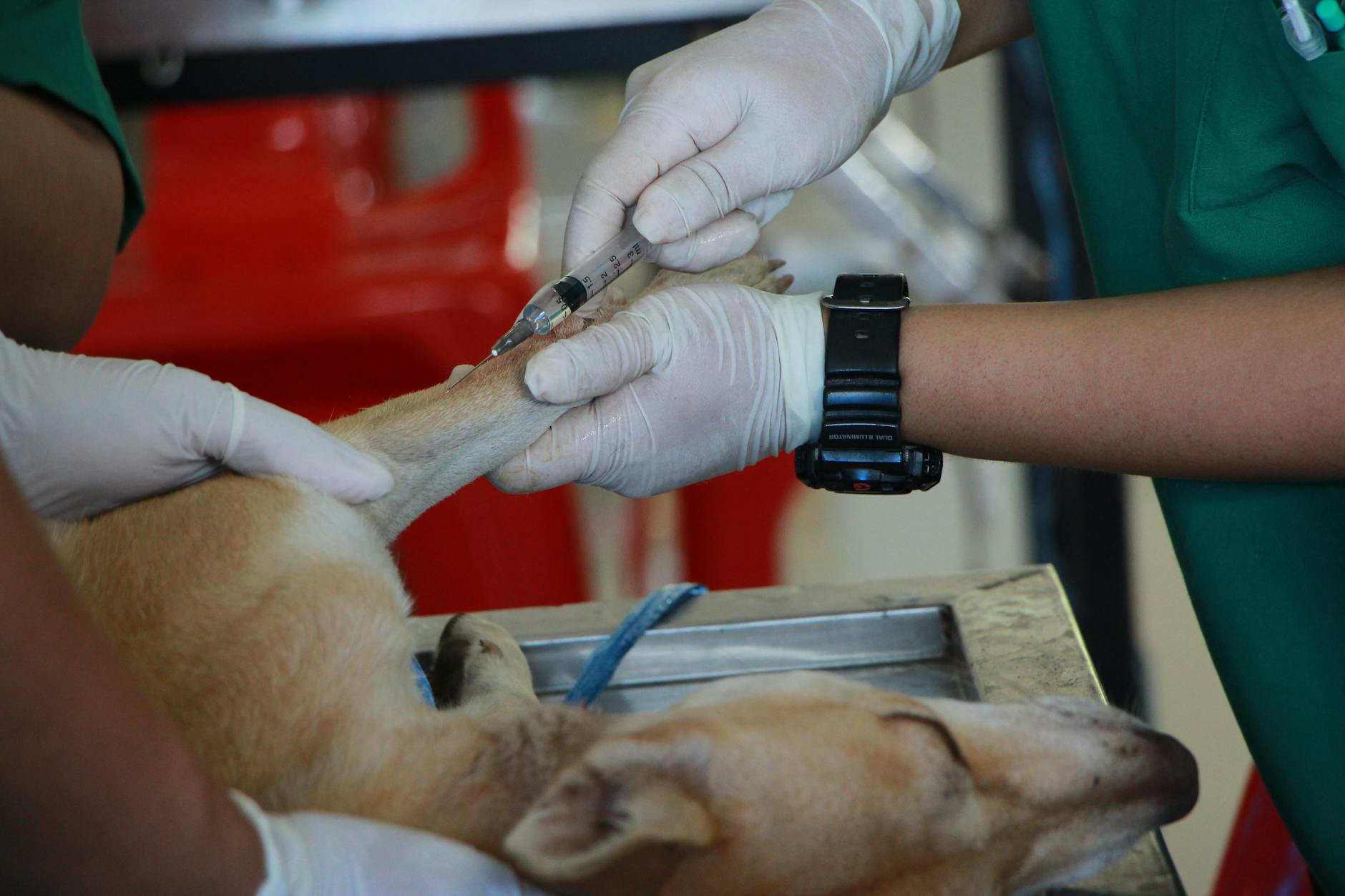
Look, treatment has to be multi-faceted. Anyone promising a single fix is selling you something. From what I’ve seen in practice, a combo is the only thing that gives lasting control.
- Allergen Avoidance: This is clinically underappreciated. If we know it’s dust mites, wash bedding weekly in hot water. If it’s pollen, wipe paws after walks. Simple as that. Really.
- Medications: We’ve got options now. Corticosteroids like prednisone shut down inflammation fast, but long-term use brings baggage. Newer immunomodulators like Apoquel and Cytopoint target the itch pathway more directly — they’re reliably decent for many dogs, with fewer systemic side effects.
- Topical Therapies: Medicated shampoos with oatmeal or chlorhexidine are solid enough. They soothe, clean, and help patch that broken skin barrier. Bathing once a week isn’t just for smell, it physically strips allergens off the coat. Think of it as a reset button. To get the best results, follow the expert tips on dog shampoo for itchy skin.
- Diet Modification: For some dogs, food is a player. A truly hypoallergenic diet, the kind formulated by veterinary nutritionists, can dial down flare-ups. Make sure it meets AAFCO standards. Client swears it’s environmental, elimination trial later and boom, beef was the trigger all along.
Can You Handle Mild Cases at Home?
For early or mild stuff, sure. Some home care can back up the vet plan.
- Bathing. Using a vet-recommended hypoallergenic shampoo regularly soothes skin and washes away allergens. Target once a week.
- Moisture Management. Coconut oil on dry patches can be soothing. It’s not a cure, but it can take the edge off the itch.
- Apple Cider Vinegar Rinse. Diluted 50/50 with water, it can help with minor surface issues and that funky odor. Avoid open wounds — it stings like hell.
- Omega Fatty Acids. These supplements build skin health from the inside. They cut inflammation. It’s a slow build, not an instant fix. For specifics on dosing, see the guidelines on how much omega 3 for dogs with allergies.
When It Gets More Complicated: Seborrheic Dermatitis

This often tags along with atopic dermatitis. You’ll see greasy skin, flaky scale, and a distinctive smell. It’s caused by wonky oil production. Treatment leans on specialized medicated shampoos to control the oil and scale. Sometimes, if a secondary yeast infection has moved in, we need to go systemic with therapy.
A Quick Note on Risk Factors
Environmental stress, diet changes, humidity swings — they can all turn a managed condition into a gnarly flare-up. Consistency is everything. I’ve had clients come in after a move, and the dog’s skin just explodes. New environment, new allergens.
The Long Game: Your Management Strategy
Long-term management is a partnership. You, me, and sometimes a board-certified dermatologist (ACVD). We’ll need regular check-ins to tweak things. The goal is a tailored plan that might include cyclic meds, strict diet control, and proactive environmental tweaks. It’s not a one-and-done appointment, it’s a relationship.
FAQs
The Bottom Line
Lasting control needs a multi-pronged attack. Find the triggers, use targeted treatments to break the itch cycle, and commit to consistent follow-up. With the right strategy — a mix of medical, dietary, and environmental tactics — you can cut flare-ups down to size. Truth be told, it takes work. But seeing a comfortable, happy dog is worth the headache.