Last Updated on April 27, 2026 by Arlena Whitford
Dog runny nose is one of those things that makes pet owners nervous — it hits nearly one in five dogs at some point. You see that clear stuff dribbling down your pup’s snout, and the worry sets in. What’s going on? Is this something to panic about? Look, I’m gonna walk you through what I’ve learned after years in practice, so you can sort out causes and try some treatments at home.
Understanding the reasons behind a dog’s runny nose is essential for pet owners seeking to ensure their dog’s well-being. Commonly, this condition results from allergies, infections, or irritants, prompting owners to research management protocols. Typically implemented in daily routines, these management strategies include consistency in monitoring symptoms, which forms the basis of effective care for canine sensitivities.
So. That’s the clinical version. Now for what it actually looks like in my exam room.
At-a-Glance: Clinical Summary
What Causes a Dog to Have a Runny Nose?
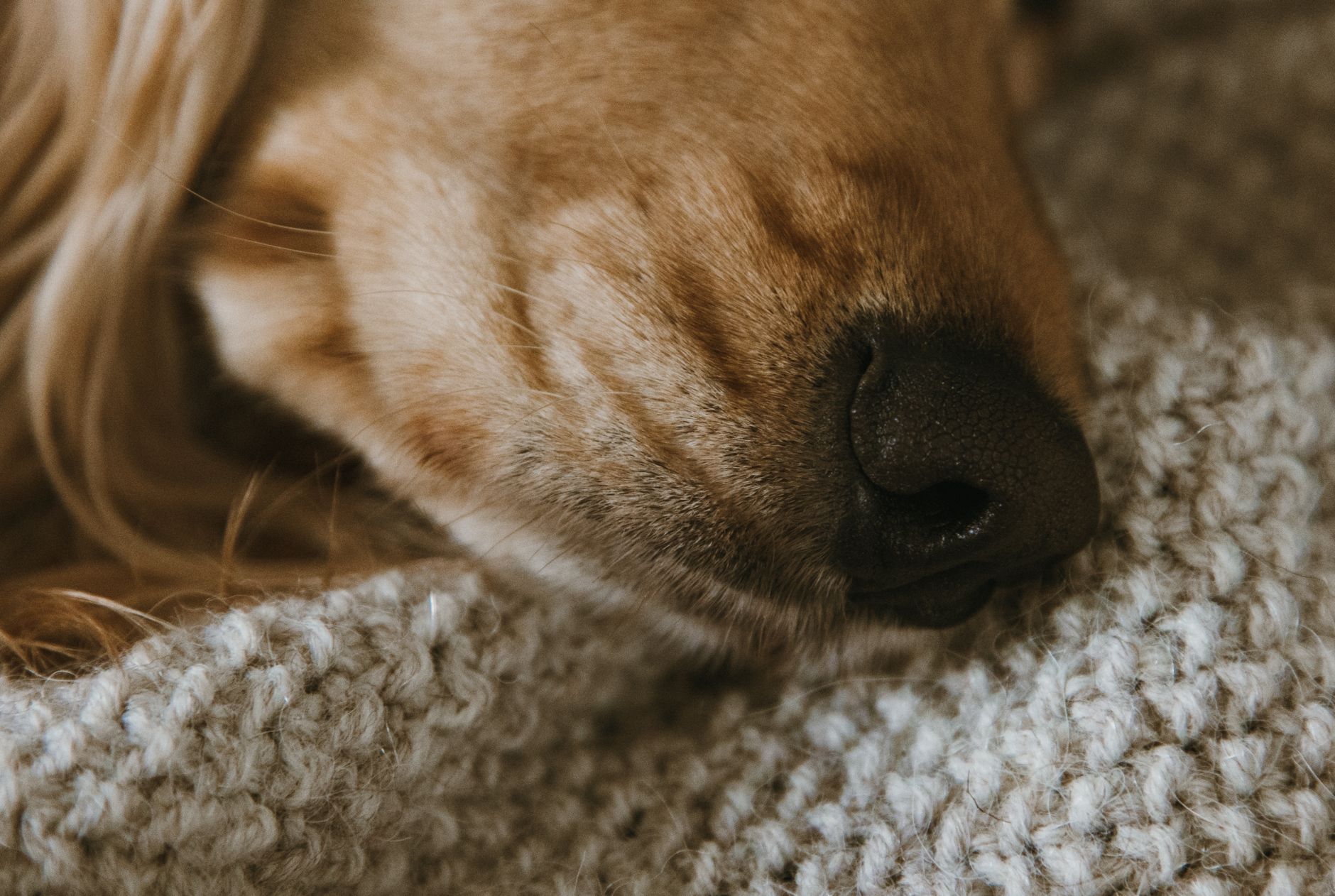
You have to understand what you’re dealing with first. Sometimes it’s just a minor thing — irritants in the air, a little dust. Other times? It’s something gnarlier that needs attention. Owner’s hate hearing this but half the time it’s something stupid simple, and the other half it’s not.
1. Allergic Rhinitis
Symptoms & Identification: Sneezing, itchy eyes, maybe a change in behavior — your dog can’t tell you their nose feels stuffed. Allergies to pollen, dust mites, or certain foods drive up mucus production. Nine times out of ten, this is where we start.
Diagnosis: Vets tend to push for allergen testing if it’s recurrent. I get it — otherwise you’re just guessing. And honestly? The test results aren’t always perfect but they’re better than throwing darts. Check out our detailed guide on how much do allergy tests for dogs cost for insights on the testing process.
2. Viral Infections
Common Types: Canine Parainfluenza and Canine Distemper are the heavy hitters here. Symptoms escalate fast. Suddenly your dog has a cough, maybe a fever — not just a runny nose anymore. Here’s the thing — viral stuff spreads like wildfire in daycares and boarding kennels.
Clinical Signs: Lethargy sets in, appetite drops. Viral stuff can spiral into secondary bacterial infections if you’re not careful. I’ve watched perfectly healthy dogs cough for six weeks after one bad kennel cough exposure.
3. Foreign Bodies
Symptoms: Acute onset nasal discharge — like, out of nowhere — with violent sneezing or pawing at the nose. That’s the giveaway (and yeah, owners always think it’s ‘sudden allergies’ first).
Action to Take: If your dog scavenges (and most do, don’t they?), watch them closely. A grass seed lodged up there can cause tears. I’ve pulled out bits of twig and once a small piece of cactus spine from a surprised-looking Lab. Not fun for anyone.
4. Environmental Irritants
Common Triggers: Dust, mold, tobacco smoke, strong cleaning products — all culprits. Symptoms mimic allergic rhinitis, so it gets confusing as hell. Had a client whose dog only dripped when she burned scented candles — swapped to unscented and bam, problem gone.
Management: Reducing exposure is the name of the game. Air purifiers help. So does frequent cleaning. It’s a pain, but it works. Simple as that. For tips on maintaining healthy air quality check our expert advice on choosing a pet allergy air purifier.
Home Remedies for A Dog’s Runny Nose

Let’s get practical. When your dog’s snotty at home and it’s not serious, you have options. Here’s what’s reliably useful:
1. Steam Therapy
Steam inhalation: loosens mucus like magic. Bring your dog into the bathroom while running a hot shower — just sit with them for 10-15 minutes. Don’t make it a sauna, obviously. Tends to work decently for mild congestion. That’s the trick — short exposures, not an hour.
2. Hydration
Water: Seriously. Dehydrated dogs have dry, sticky mucus that won’t clear worth a damn. Fresh water always available — not just in the morning. End of story.
3. Warm Chicken Broth
This one’s a crowd pleaser. Warm it up and encourage drinking. Make sure no onions or garlic — plain broth only. (And yes, people sometimes forget the no-onion part — the garlic’s toxic too, folks. Just stick to plain.)
4. Saline Nasal Drops
Dog-safe saline drops: can flush nasal passages. Ask your vet how often, because I’ve seen owners overdo it — and suddenly you’re dealing with irritated nasal tissue on top of everything else. Works every time — almost. You just don’t want to create new problems.
5. Maintain a Clean Environment
Regular cleaning: air purifiers, hypoallergenic bedding — boring but solid for the long haul. From what I’ve seen in practice, the owners who vacuum three times a week tend to have the healthiest snouts in my waiting room.
That’s it. That’s the whole collection of tricks.
Treatment: When to Seek Veterinary Care

Some situations — you can’t fix with steam and water. Truth be told, if the runny nose sticks around for more than a couple days, call your vet. Don’t sit there Googling for three weeks. I’ve seen dogs itch for 18 months straight on ‘hypoallergenic’ grain-free — culprit was cross-contaminated lamb from the same factory line. Point being, some things need a proper workup. You might also want to look into related issues like dog allergy to lamb relief if suspected.
Clinical Features to Watch For:
- Breathing Difficulties: Labored breathing? Distress? Get them in. That’s serious. I don’t say that often.
- Fever and Lethargy: Classic viral combo. I’ve seen it lead to pneumonia almost overnight — not exaggerating.
- Nasal Discharge Color: Thin and clear? Usually boring. Thick yellow or green? Bacteria’s involved, and you need a hands-on exam.
Just watch for the color change — it’s a solid rule of thumb.
Expert Summary
A dog runny nose comes from allergies, infections, or irritants — usually manageable at home if you read the signs right. But if symptoms drag on or escalate, you need a vet’s hands-on look. Long story short? Keep an eye on them and act fast when needed. Works every time — almost.
Frequently Asked Questions
This guide should give you decent footing when dealing with a dog runny nose. Watch them, keep your home clean, and don’t let stubborn symptoms slide.