Last Updated on April 17, 2026 by Arlena Whitford
Getting the right eye infection treatment for your dog is clinically massive. I see this every single week. That constant face-pawing, the goopy discharge, the sheer discomfort—it’s miserable for them and stressful for you. Look, nearly 20% of dogs deal with an ocular issue, and ignoring it can lead to some stubborn-as-hell complications. Here’s the no-BS approach.
Understanding Eye Infections in Dogs
Let’s break down what you’re really dealing with. Truth is, an “eye infection” is usually just a symptom. Your treatment plan changes completely based on what’s actually kicking off the inflammation.
So, What’s Causing This?
The culprits vary. Bacterial invaders like staph are everywhere you look. But sometimes it’s a fungal beast, especially in damp climates. Or it’s a relentless environmental allergen—pollen, dust, mold. Underlying anatomy plays a role, too. Conditions like dry eye (Keratoconjunctivitis Sicca) or entropion (where the eyelid rolls inward) create a perfect storm for secondary infections. Basically, the eye’s defense system is shot.
I’ve lost count how many times a client comes in with a dog on round three of antibiotics, only to find out it’s a gnarly case of dry eye all along. You need the right lube, not more drugs.
Recognizing the Signs: More Than Just Goop
You know the obvious stuff. Colored discharge, redness, swelling. Squinting like they’re staring into the sun. But watch for the subtler tells. A dog who’s suddenly reluctant to play or who shies away from bright light is telling you something. Pawing at the face or rubbing on the carpet are clear distress signals. The behavior changes give it away every time.
A Realistic Treatment Framework
Forget random internet cures. This is the sequence that works, it’s tedious but it works.
1. Start With a Professional Diagnosis
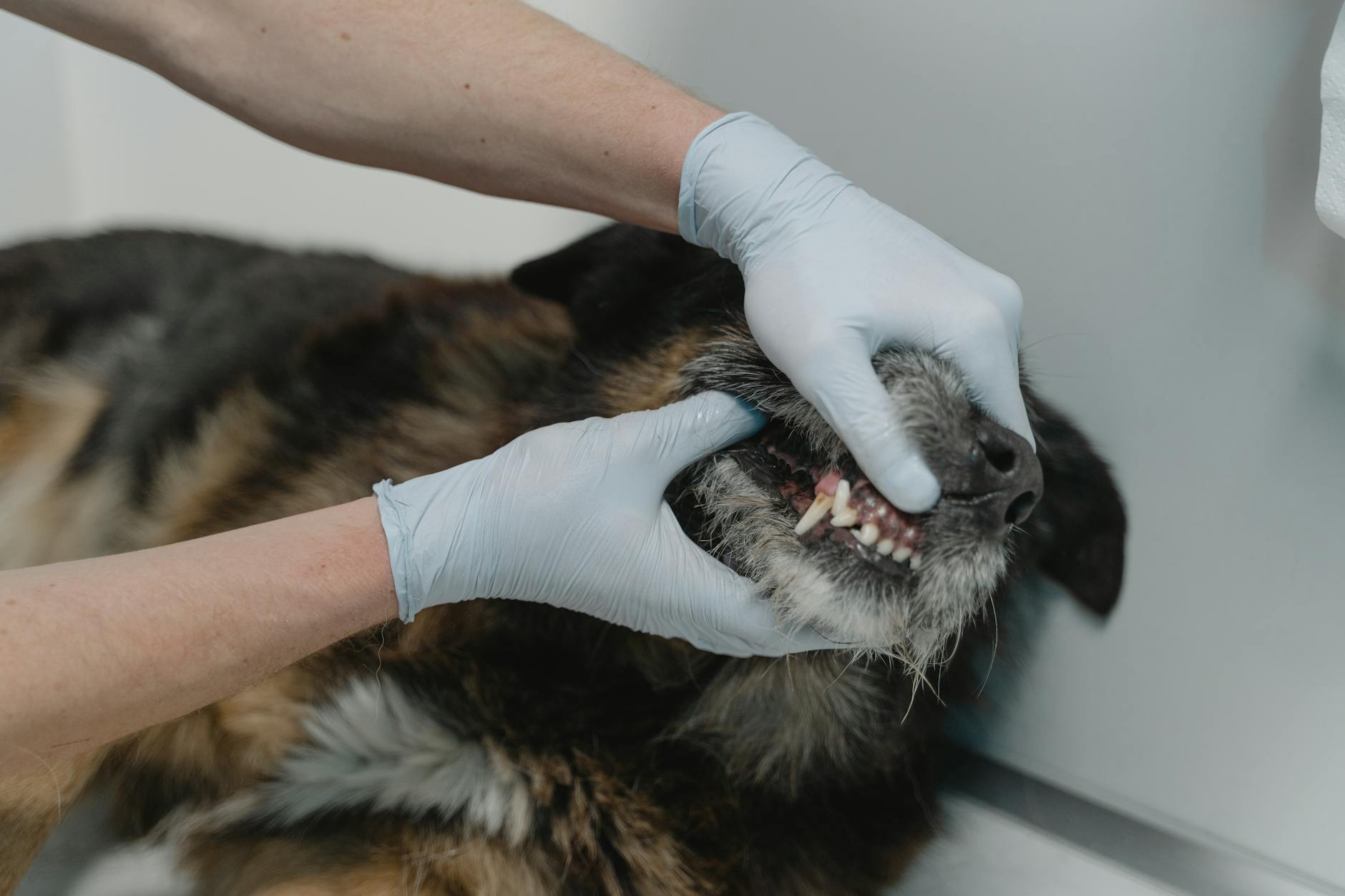
This isn’t optional. Your vet will do a fluorescein stain test to check for ulcers—a scratched cornea changes the whole game. They might suggest cytology, taking a sample of the gunk to see if we’re fighting bacteria, fungus, or something else. Early, accurate diagnosis saves weeks of guesswork and wrong meds.
2. Using Antibiotics: Topical vs. Systemic
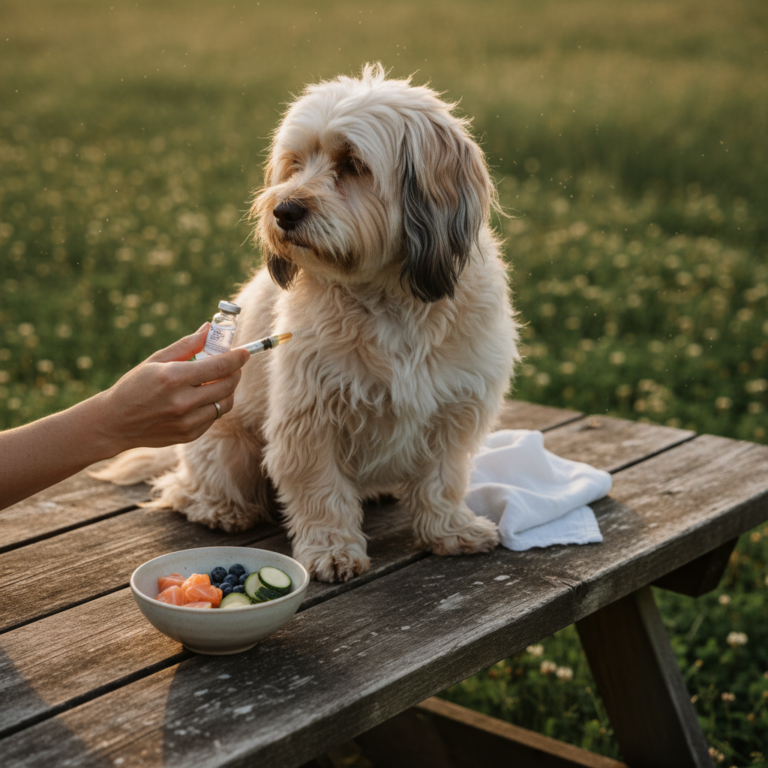
For a straightforward bacterial infection, topical drops like gentamicin or ofloxacin are reliably decent. They hit the spot. But here’s the thing: if the infection has spread or started from a skin issue (like a staph infection on the belly), systemic antibiotics become necessary. Finish the entire course. Stopping early because the eye *looks* better is how you breed superbugs, simple as that.
3. Treat the Underlying Condition, Not Just the Eye
This is the step everyone wants to skip. If the root cause is allergies, all the antibiotic drops in the world won’t stop the cycle. If it’s dry eye, you need immunomodulators like cyclosporine. For a fungal issue, we move to oral antifungals. And if it’s an anatomical problem like entropion, surgery might be the only fix. Address the *why*.
Owners hate hearing this, but I had a case where a dog itched for a year on fancy food—turns out the “hypoallergenic kibble” was cross-contaminated with chicken from the factory line. The eyes cleared up for good after we nailed the diet.
4. Implement a No-Fuss Daily Care Routine

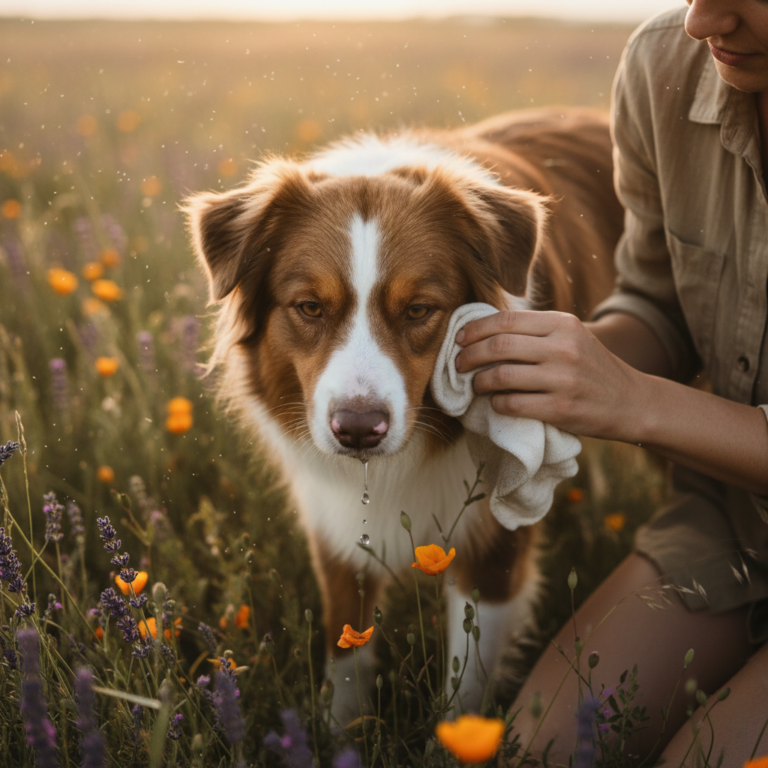
Prevention is better, and it’s pretty simple. A plain saline solution can flush out daily irritants. This is non-negotiable for brachycephalic breeds like Bulldogs or Poodles with all that hair. Keep the face fur trimmed. Wipe away morning “sleepies” gently. Basic maintenance, but it’s passable.
5. Commit to Long-term Allergy Management
When allergies are the driver, you need a long-game strategy. This might mean a strict elimination diet (and yeah, that includes checking every single treat). Or it could involve allergy testing and immunotherapy. Reducing the overall load on your dog’s system is the only way to get lasting control. It’s a marathon.
Related Conditions You Should Know About
Eye problems don’t exist in a vacuum. They’re often linked to other skin junk.
The Staph Infection Connection
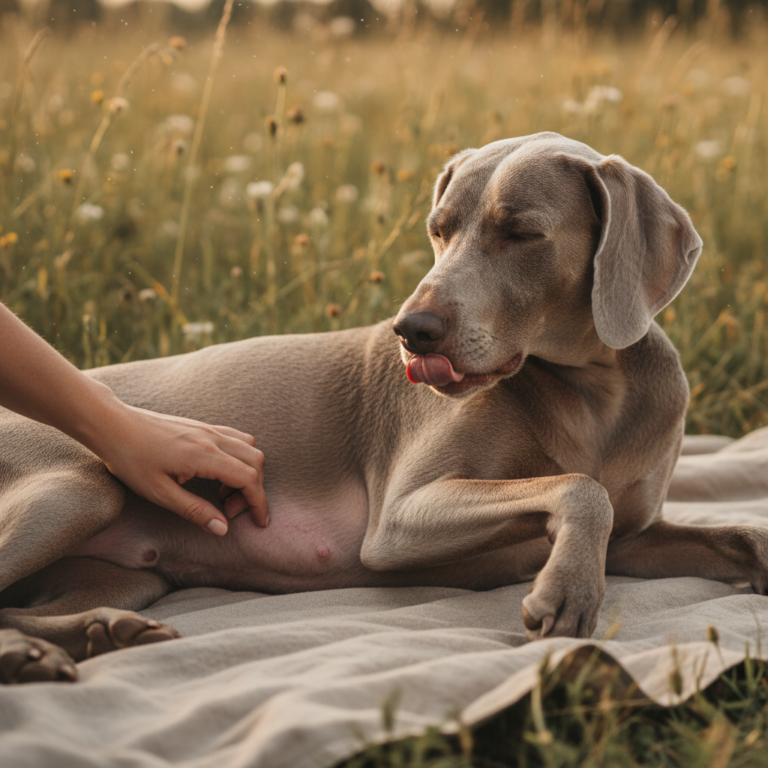
A staph infection on the belly or skin folds can be the source. The bacteria hitch a ride up to the eye from scratching or grooming. Look for red, bumpy patches that might ooze. The itching is intense. Treatment involves topical antiseptic washes and, often, oral antibiotics. Keeping the skin barrier healthy is half the battle.
Lip Fold Dermatitis

Common in breeds like Spaniels and Bulldogs. Those moist skin folds near the mouth are a bacterial paradise, and constant face-wiping transfers that gunk right up to the eyes. Management is straightforward but requires consistency: clean the folds daily with a chlorhexidine wipe, keep them dry. If it’s a recurrent nightmare, your vet might discuss surgical correction.
End of story.