Last Updated on March 17, 2026 by Arlena Whitford
Look, a dog allergy to lamb is way more pervasive than you’d think—I’ve lost count how many times it’s the hidden culprit. Up to 15% of dogs react to this protein. The relentless itching, the raw skin, the feeling that nothing you try works. It’s exhausting for everyone. So let’s cut through the noise. Here’s exactly how to spot it and what to do, straight from the clinic floor.
Owners come in searching for answers because food sensitivities are everywhere you look now. Truth is, management boils down to dietary changes and obsessive symptom tracking, it’s tedious but it works. Consistency is the only thing that gives you a clear picture, and it helps you adapt over the long haul.
At-a-Glance: Clinical Summary
Can Dogs Be Allergic to Lamb? Understanding the Basics

Yeah, a dog can absolutely be allergic to lamb. Nine times out of ten, it’s mistaken for more routine culprits like chicken or beef. In sensitive dogs, lamb triggers an immune misfire, sparking this whole histamine cascade that leads to itching, swelling, and gut trouble. Pinpointing it requires meticulous, sometimes frustrating, detective work. I’ve seen dogs itch for 18 months straight on a ‘hypoallergenic’ grain-free lamb diet — culprit was cross-contaminated kibble from the same factory line.
The Statistics: How Common is This?
How common is a lamb allergy in dogs? Honestly, it’s not the top offender, but it’s a clinically underappreciated one. Certain breeds do show a higher propensity, which suggests a genetic link. The main takeaway? If a dog is persistently uncomfortable and the usual suspects have been ruled out, lamb deserves a hard look. It’s an overlooked ingredient that can cause disproportionate misery.
Dog Allergic to Lamb Symptoms: A Closer Look

The signs can be all over the map. Here’s what I see constantly:
- Itching. Not just a scratch. It’s gnarly, obsessive, and often leads to hair loss and hot spots.
- Inflammation. Telltale redness and swelling, especially around the eyes, ears, and paws — check between the toes, that’s a big one.
- Digestive issues. Diarrhea or vomiting can hit pretty quickly after a meal with lamb, but sometimes it’s just soft stool that owners miss.
- Ear infections. Recurring ones are a massive red flag for an underlying allergy, I’m talking brown gunk and head-shaking every few weeks.
These reactions stem from a complex immune response—basically, the body’s defense system going haywire over a harmless protein.
A Note on Chronic Presentations
Sometimes it’s not acute. There are cases where dogs have been on a lamb diet for a year and are still itching. The pattern is low-grade but stubborn-as-hell: constant paw licking, recurring ear gunk, and a generally irritated dog. That’s often the signal. Client swears it’s environmental, elimination trial later and boom, beef was the trigger all along. Works every time — almost.
Treatment for Dogs Allergic to Lamb: Essential Steps
- Start an Elimination Diet. This is the gold standard, period. Remove lamb—and *all* sources of it—entirely. Switch to a novel protein like duck or salmon. And patience is needed, you gotta monitor for at least 8-12 weeks, no cheating.
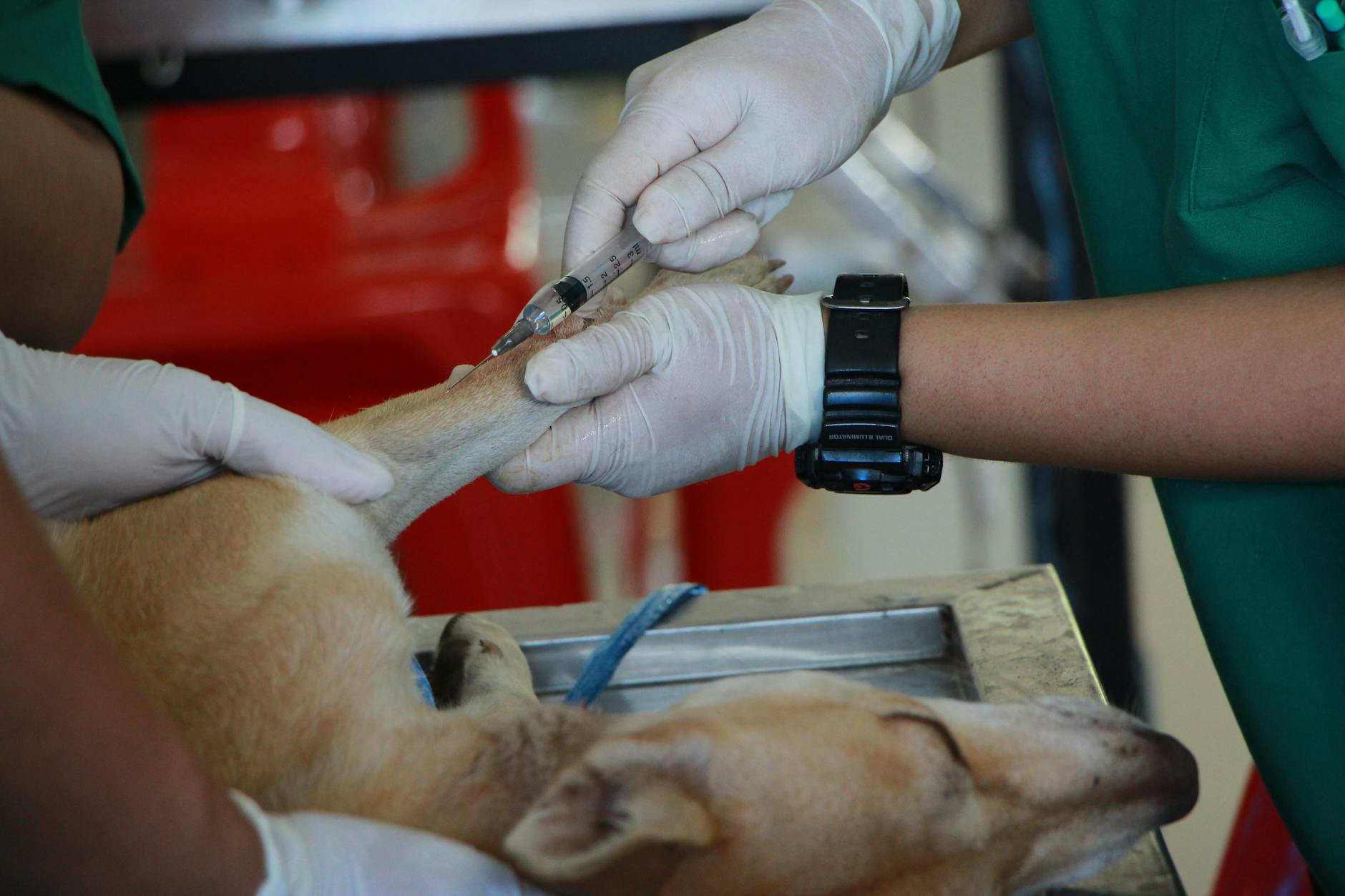
- Get a Vet Consultation. Always. We can rule out other junk like mites or yeast and may suggest diagnostics. A tailored plan beats guessing every time.
- Consider Medication. For immediate relief, antihistamines or a short steroid course can be a godsend. But these are a band-aid, not a cure, and long-term use needs our oversight.
- Schedule Regular Check-ups. Managing this is a marathon, not a sprint. Ongoing assessments catch flare-ups early. It’s about quality of life.
- Explore Supportive Options. Some pet parents find omega-3 supplements or topical oat baths help soothe the skin. They’re not a primary treatment, but they can be a solid part of the support team (and yeah, even the fancy boutique brands do this).
Wrapping Up: Long-term Management of Lamb Allergies
Managing this requires vigilance. Identify the trigger, eliminate it ruthlessly, and partner with a veterinarian. There’s no one-time fix, but with a decent plan, a dog’s comfort can improve dramatically. That’s the whole goal. Simple as that. Really.