Last Updated on March 16, 2026 by Arlena Whitford
Look, dog allergy on paws is everywhere you look in my clinic. Watching that constant licking and chewing is its own special agony — for them and for you. Truth is, you can manage this mess. Here’s the straight talk on stopping the cycle, from the dermatology side of my desk. Owners come in desperate for a fix, and I get it. The thing about management is it’s all daily grind. Regular bathing, watching what they walk through, it’s tedious but it works. And you gotta be consistent with monitoring. It’s the only way to spot a trend and adjust before things get gnarly.
At-a-Glance: Clinical Summary
Getting to the Root of Paw Allergies

First, you need the trigger. Is it pollen, or something in the food bowl? That distinction informs everything. Both lead to itchy paws, then licking, and then secondary infections—a stubborn-as-hell cascade. Honestly, the histamine release kicks cytokine activity into high gear, which just fuels more inflammation. It’s a vicious loop I’ve seen a thousand times.
Top 5 Treatments to Implement Now
1. Dog Allergy Paw Soak
A simple soak can be surprisingly therapeutic. Warm water with Epsom salt soothes inflammation, aim for 10-15 minutes. This isn’t a magic cure, but it cleanses the skin and breaks the lick-cycle for a bit. Comfort and healing, together. I’ve had dogs sigh in relief during a soak, it’s that passable.
2. Dog Allergy Spray for Paws

For quick relief, a dedicated spray is solid enough. Ingredients like aloe vera and colloidal oatmeal are reliably useful. A few sprays can dial down inflammation fast during a flare-up. Keep one handy.
A Note on Ingredients
Read labels. Avoid anything with alcohol or heavy fragrances—they’re just irritants in disguise. I’ve seen more problems caused by well-meaning owners using the wrong product (and yeah, even the fancy boutique brands do this).
3. Dog Allergy Wipes for Paws

Convenience is key. Hypoallergenic wipes used after outdoor time physically remove allergens like pollen. It’s a basic barrier strategy. Do it consistently, and you’ll often see a reduction in episodes. It’s about prevention. Simple as that. Really.
4. Dietary Adjustments

For food-related issues, a high-quality limited-ingredient diet is the path. AAFCO guidelines ensure nutritional completeness while you sleuth out the culprit. Novel proteins—think venison or duck—can help. But here’s the thing: the diet trial is a commitment. I’ve had clients come in after six months of an elimination diet with no results, client swears it’s environmental — elimination trial later and boom, beef was the trigger all along.
Nine times out of ten, it was cross-contamination from family meals or treats.
5. Antihistamines
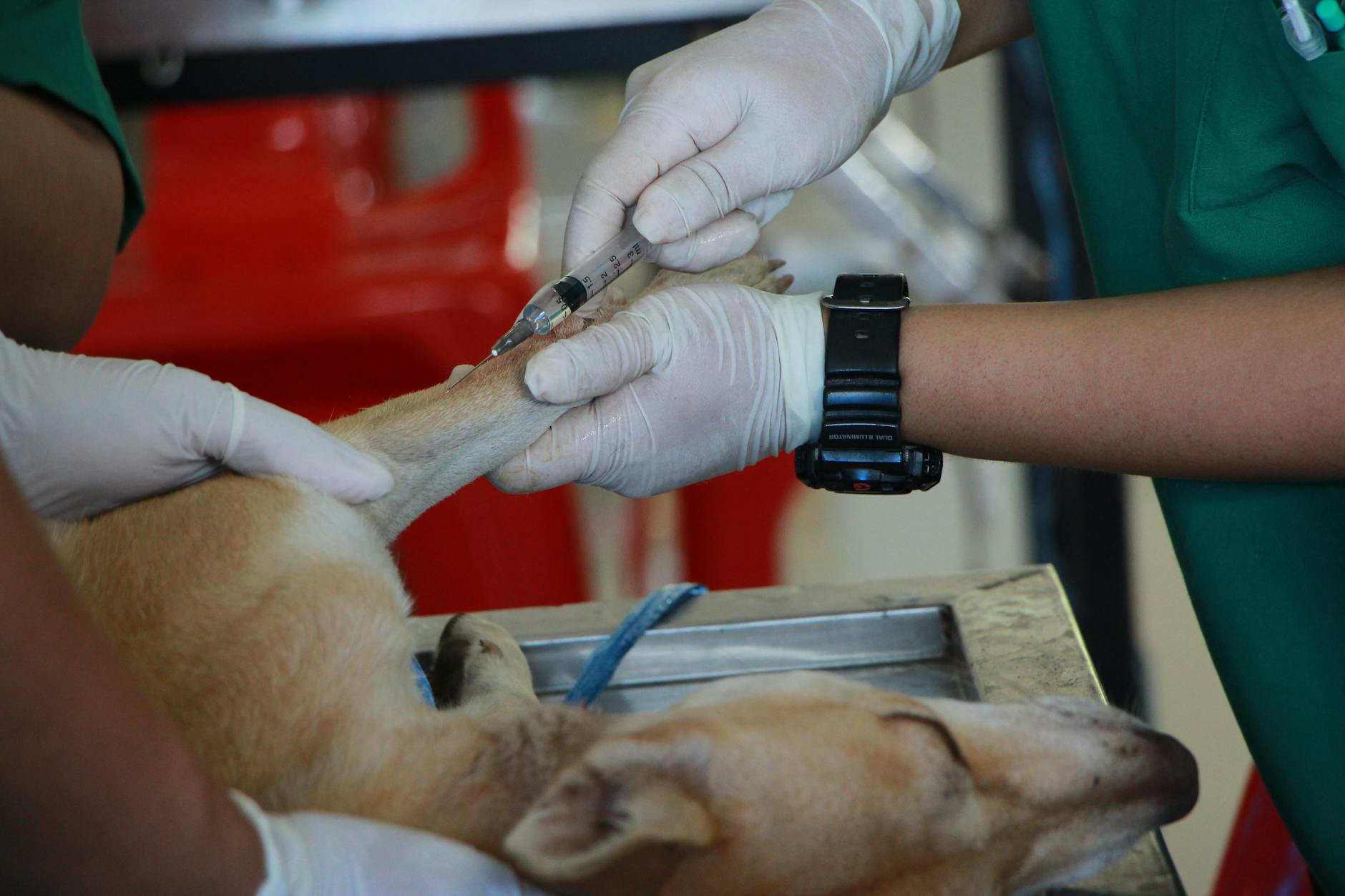
Controlled use can minimize itching. But. You must consult your veterinarian for the safe option and exact dose for your dog’s weight. Human medications are a hard no without direct guidance—the side-effect profile is different. I’ve lost count how many times we’ve had to fix a dosing guess.
Managing This Long-Term
For stubborn, chronic cases, you need a multifaceted approach. Monitor the environment—air filters, regular cleaning, maybe even washable paw covers for walks. Regular vet check-ups let you adjust the plan. Sometimes, intradermal or serum testing for specific allergens is worth it to move from guessing to knowing. From what I’ve seen in practice, that’s the trick.
FAQ Section
Stick with these, monitor close, and work with your vet. You can get this under control.