Last Updated on March 16, 2026 by Arlena Whitford
Look, dog allergy peanut butter is a frustratingly routine issue. The scratching keeps everyone up, the bills pile up, and honestly? Most owners make it harder than it needs to be. Here’s the no-BS version of what we actually do in practice to spot reactions and get some peace.
Truth is, owners come in desperate for a fix. And the management? It’s tedious, sure, but it works. You gotta keep that food diary and watch symptoms like a hawk, it’s the only way to pin down the trigger. Consistency is everything, but I’ve lost count how many times the diary gets abandoned after week two.
At-a-Glance: Clinical Summary
Understanding Your Dog’s Reaction to Peanuts

So dogs can develop allergies to just about any protein, peanuts included. The histamine response leads to real, miserable discomfort. Skin involvement is pervasive — you’ll see redness or that “leathery” feel from chronic inflammation. Symptoms swing from mild paw licking to stubborn-as-hell gastrointestinal upset, which complicates everything.
Why Getting the Diagnosis Right is Half the Battle
Identifying a dog allergic to peanut butter requires more than just ditching the jar. Misdiagnosis happens all the time because symptoms overlap with other food or environmental triggers. We usually recommend a combo approach: skin tests plus blood work to confirm. But here’s the thing, guessing wrong means months of unnecessary itch for the dog and sleepless nights for you. I had a client swear it was seasonal pollen for a year, elimination trial later and boom, beef was the trigger all along.
Navigating Nutrition and Treats
- Read Labels Like a Detective
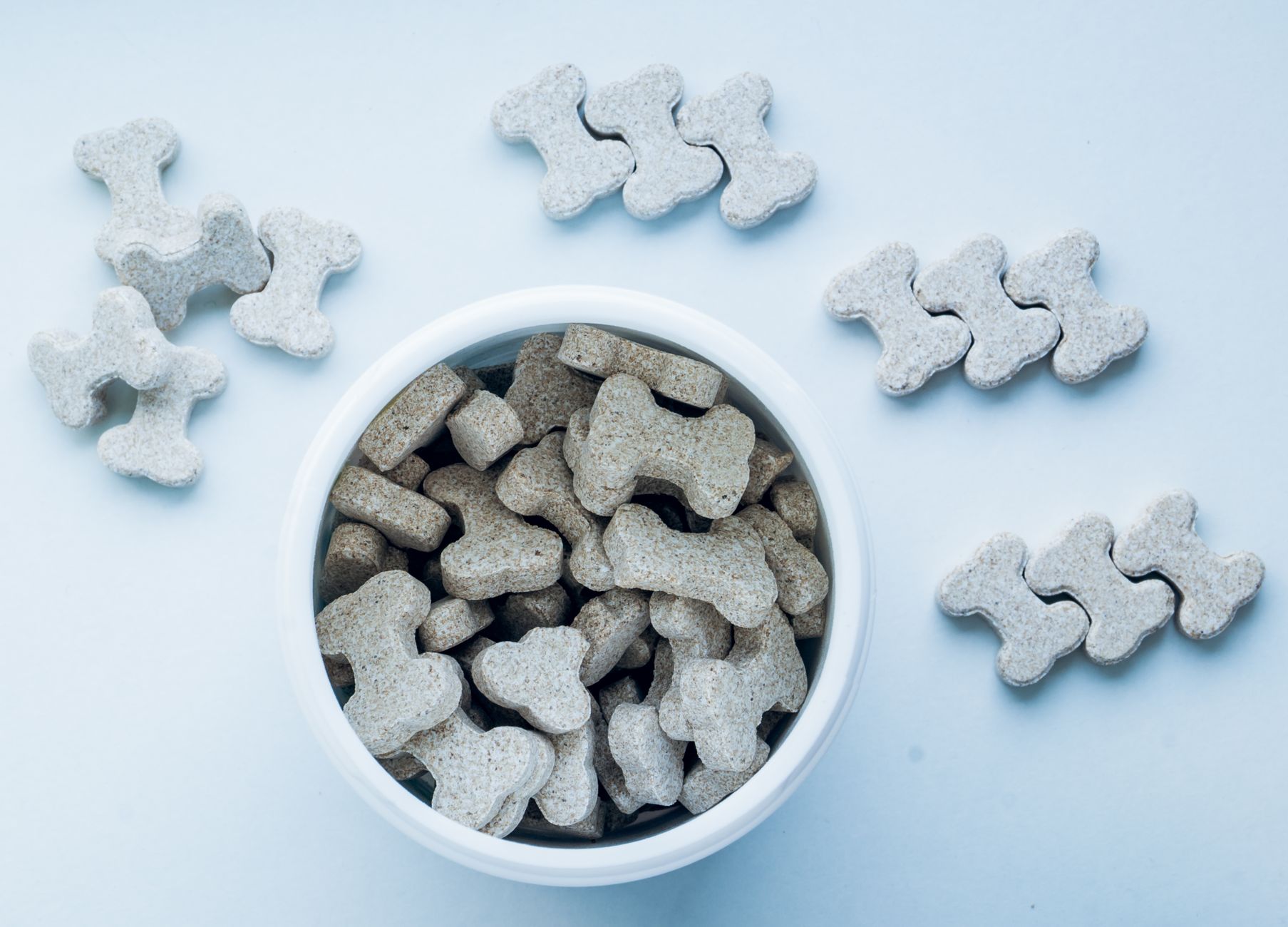
Avoiding peanut butter isn’t just about the obvious. Many “peanut-flavored” treats contain trace amounts, you need products explicitly labeled “peanut-free” and a habit of checking for hidden ingredients (and yeah, even the fancy boutique brands do this). - Solid Alternative Treats
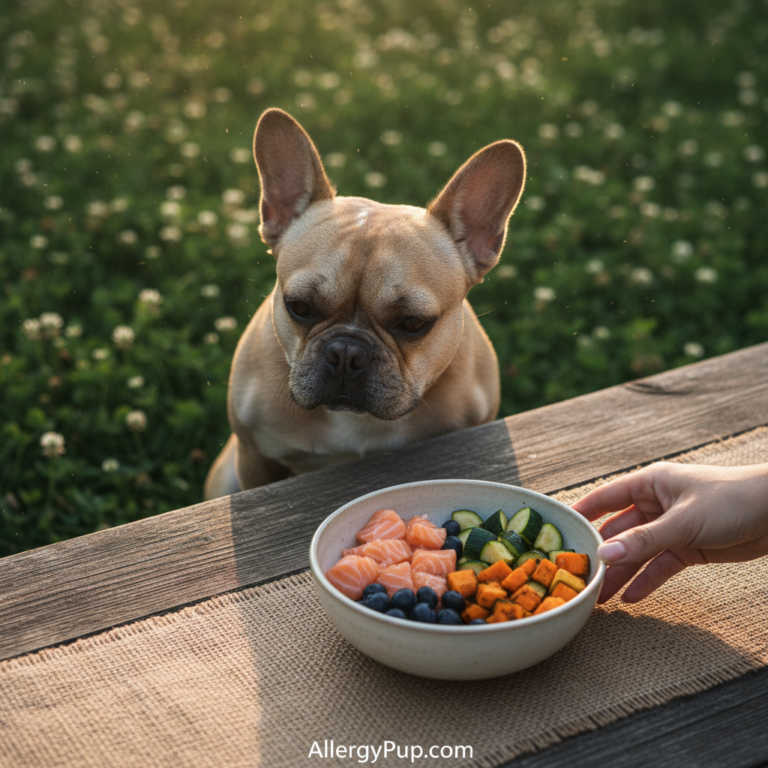
Swap to options like pure pumpkin or baked sweet potato. They offer flavor without the allergenic proteins, and those fruitier notes can capture your dog’s palate decently enough. - Chew on This
So many chews use peanut butter for flavor. Always, always read the ingredient label, then opt for ones using safer, single-protein sources.
The Critical Habit of Monitoring
Regular monitoring is key to nailing down your dog’s triggers. Keeping a food diary is clinically undervalued but reliably useful. Document every new treat, any skin changes, or episodes of scratching. Everything. I’ve seen dogs itch for 18 months straight on a ‘hypoallergenic’ grain-free diet — culprit was cross-contaminated lamb from the same factory line.
Gut Health: The Underappreciated Factor

A compromised gut worsens allergic reactions by impairing that epithelial barrier. Probiotics can help restore balance. Adding omega-3 fatty acids also counteracts inflammatory responses, which aids symptom relief. It’s not always a magic bullet, but it’s solid enough.
- Use Probiotics Wisely
Administer a high-quality probiotic as directed. This step supports overall gut integrity — it’s worth the hassle. - Don’t Skip Vet Visits
Schedule periodic check-ups, especially if allergy flares are frequent. Continuous dialogue guides adjustments in diet and treatment. Simple as that. Really. - Evaluate Elimination Diets with Your Vet
If symptoms persist, you need a structured elimination diet targeting *all* potential allergens. Reintroduction should be painfully slow and measured to identify the specific culprit. No shortcuts. Works every time — almost.
Wrapping This Up
Managing this requires stubborn diligence. With sharp observation, a strategic diet, and consistent vet partnership, you can massively improve your pet’s day-to-day life. Start early and stick with the plan. That’s the trick.