Last Updated on March 30, 2026 by Arlena Whitford
A dog allergy to grass is everywhere you look this time of year. That relentless, maddening itch? It drives everyone—dogs and owners—to absolute despair. Truth is, if you’re here, you’re probably watching your pup suffer and feeling stuck. Let’s talk about how to spot the triggers, manage the gnarly symptoms, and actually improve your dog’s day-to-day life. I use these same protocols in the clinic, day in and day out.
Look, owners come in wanting a magic bullet. There isn’t one. Management is about stacking small, tedious routines that add up. You monitor for discomfort, you adjust their environment, you keep their diet solid. It’s boring, but it works. Consistency is the whole game, it lets you step in before a simple itch turns into a full-blown skin infection.
At-a-Glance: Clinical Summary
Recognizing a Grass Allergy: What You Actually See

The symptoms are frustratingly routine in my clinic. They cluster in a few key ways, and I’ve lost count how many times an owner swears it’s a new food, only to find out it’s just the darn lawn.
The Itch That Takes Over
It’s not just a casual scratch. This is constant, obsessive pawing, chewing, or rubbing against the carpet. Honestly, this self-trauma leads to hair loss, scabs, and secondary skin infections before you even schedule the appointment. I’ve seen it wreck a dog’s sleep and turn a happy pup into a miserable, distracted mess. The skin gets damaged, and the cycle just feeds itself, it’s brutal to watch.
Red, Inflamed Skin
Check the belly, paws, and face first. Those are the contact points. The skin turns red and angry-looking, and over time, from all that trauma, it can become leathery and thickened—we call that lichenification. Basically, the skin is trying to armor itself against the dog’s own claws, a losing battle.
Ear Infections That Keep Coming Back
Otitis externa. If your dog is constantly shaking its head or digging at its ears, think allergies first. The ear canal is just skin, and it gets inflamed too. That damp, yeasty smell? That’s usually a secondary fungal or bacterial infection moving in because the allergy-weakened skin can’t defend itself anymore.
The Grass-Eating & Tummy Trouble Link
This one surprises people. Some dogs with grass allergies will start frantically eating the stuff. In my experience, this is often a sign of underlying nausea linked to the whole-body allergic response. They’re trying to self-soothe that stomach discomfort, it’s an instinct, not a quirky habit. Client swore it was a vitamin deficiency, elimination trial later and boom, the grass pollen was the trigger for the nausea all along.
Your Action Plan: Dog Allergic to Grass
Managing this is a multi-pronged fight. It requires vigilance, and yeah, owners hate hearing that. Here are the seven strategies I find most reliably useful.
1. Get a Real Diagnosis
Start here. Don’t guess. Your vet can run a skin (intradermal) or blood (serum IgE) test to confirm grass is the culprit and not something else, like dust mites or a food protein. This step is non-negotiable. A solid diagnosis saves you months of trial and error, it gets you on a targeted path. For considerations on the cost involved, check out the insights on how much do allergy tests for dogs cost.
2. Diet is a Foundation, Not a Cure

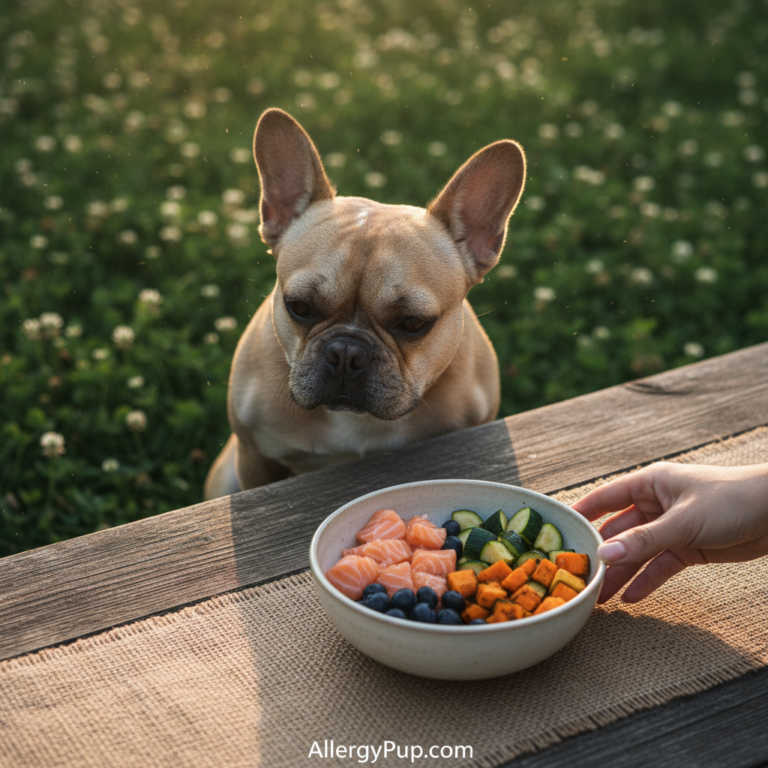
A well-balanced, high-quality diet supports the immune system, which is running haywire. Look for hypoallergenic options that meet AAFCO standards (and yeah, even the fancy boutique brands can screw this up). Talk to your vet about adding omega-3 fatty acids—they help take the edge off inflammation and support the skin barrier from the inside. I’ve seen a passable improvement in coat quality just from this shift alone. For more on dietary management, see our expert tips on what to feed a dog with food allergies.
3. Control the Environment. Seriously.
Limit exposure. It sounds too simple, but it’s powerful. Use protective booties on walks. Wipe down your dog’s paws, belly, and legs with a damp cloth after being outside—you’re physically removing the pollen. Consider leash-only walks in low-pollen areas like paved paths. For some desperate cases, even changing the backyard landscape can help.
4. Topical Treatments for Immediate Relief

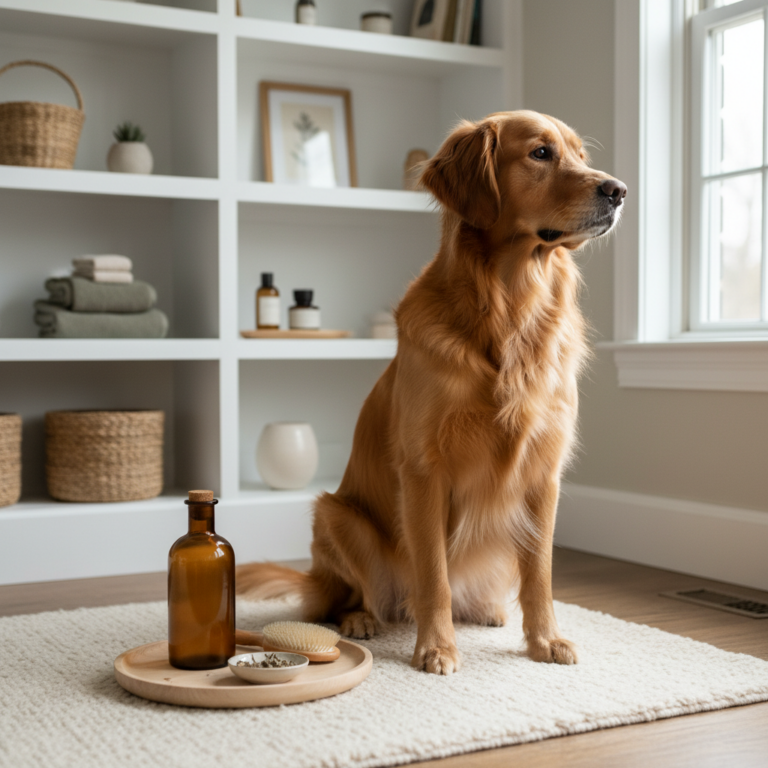
Medicated shampoos with oatmeal, hydrocortisone, or chlorhexidine can soothe inflamed skin and wash allergens away. The trick? Let the lather sit for a good 5-10 minutes before rinsing thoroughly. Do this once or twice a week during peak season. It’s a barrier and a treatment in one, an underappreciated workhorse. For guidance on selecting the best shampoos, review our tips on what dog shampoo is best for dogs with itchy skin.
5. Think Long-Term with Immunotherapy
For chronic, stubborn-as-hell cases, allergen-specific immunotherapy (allergy shots or oral drops) can be a game-changer. It’s a gradual desensitization process. It takes commitment—often 6-12 months to see full effect—but it aims for long-term relief by retraining the immune system itself. Always follow AVMA and ACVD guidelines here, no shortcuts.
6. Stick With Vet Check-ups
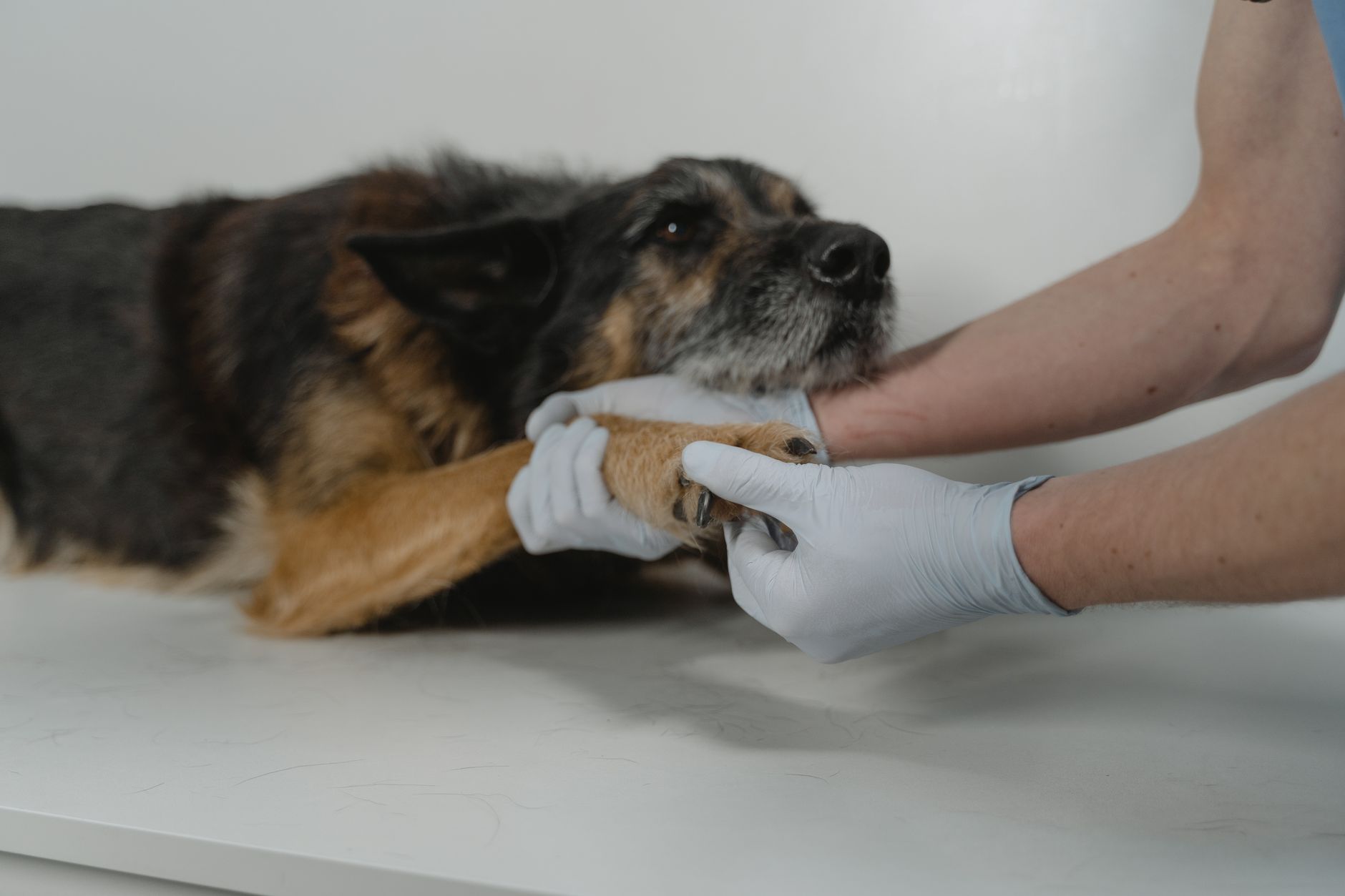
This isn’t a set-it-and-forget-it condition. Routine visits let your vet monitor for secondary infections, adjust medication doses, and update you on new treatments. They’ll look in the ears, between the toes, under the fur—places you might miss until there’s a problem.
7. Become a Pollen Detective
Stay informed about local pollen counts. On high pollen days, adjust your routine: walk early in the morning or later in the evening, keep windows closed, run an air purifier. Knowledge lets you be proactive instead of reactive. Simple as that. Really.
Final Thoughts
Managing a grass allergy is about stacking small, consistent wins. It eases their immediate discomfort and, just as importantly, prevents those secondary infections that cause long-term damage. Combine environmental control, dietary support, and a strong partnership with your vet. That’s your framework. Now go wipe those paws.