Last Updated on March 16, 2026 by Arlena Whitford
Dog allergy cream is a tool I grab for, what, a dozen times a day? The scratching, the raw spots, the miserable rashes. It upends everything. And look, you’re not imagining it—this stuff is everywhere, with the AVMA saying a solid 10% of dogs deal with allergies sometime. So how do you actually use these creams to get some quiet? Here’s the no-BS version.
Truth is, most owners just want the itch to stop now. And I get it. But slapping cream on a problem you haven’t pinned down is like mopping the floor with the faucet still running. You gotta manage the whole mess.
At-a-Glance: The Clinical Summary
What’s Actually Happening With Dog Allergies

It all starts with a panicky immune system. Pollen, a flea bite, a chicken protein—the body freaks out. Histamine fires, inflammation follows, and that skinny skin barrier just quits. Then secondary infections waltz right in. I’ve seen dogs itch for 18 months straight on ‘hypoallergenic’ food, culprit was cross-contaminated lamb from the same factory line. It’s a stubborn-as-hell cycle.
The Big Four Allergy Types

- Environmental Allergies (Atopy). Pollen, dust, mold. The usual suspects. You’ll see paw-licking, ear-rubbing, itchiness that comes and goes with the weather.
- Food Allergies. Usually the protein—beef, chicken, dairy. Figuring this out is a marathon, needs a strict elimination diet (and yeah, that includes the fancy boutique brands).
- Flea Allergy Dermatitis. The most frustratingly routine one. One bite from one flea can cause weeks of grief. Control is non-negotiable.
- Contact Allergies. Less common, but it happens. A reaction to laundry soap, a new shampoo, even the plastic in a food bowl.
So picking a cream? It’s not about grabbing the first tube you see.
Picking a Dog Allergy Cream That Doesn’t Suck

Active Ingredients Matter. Hydrocortisone is the old reliable for cutting inflammation fast. For simple soothing, aloe vera or colloidal oatmeal can be decent. But here’s the thing: what worked for the Lab next door might do nothing for your Terrier. Your vet can point you to a reliably useful option.
Application isn’t Rocket Science, But. Clean the area first with a damp cloth, pat it dry, apply a thin layer. The goal is to let the skin breathe, not smother it in goop. If the skin’s already broken or oozy, skip the drugstore cream and call your vet—that’s infection territory now.
Grooming is More Than Just a Bath

Reduce Allergen Load. A simple bath with a mild shampoo physically washes pollen and dust off. Do it weekly during peak season. It’s a stupidly undervalued step. You might want to check out the best dog shampoo for itchy skin for more on this.
Monitor Like a Hawk. Run your hands over your dog every few days. You’re feeling for new bumps, dry patches, or the start of a hot spot. Catching one early is everything, it’s the difference between three days of care and a three-month battle with antibiotics.
Food Changes For Long-Term Calm

Switching to a limited-ingredient diet is the gold standard for sussing out food allergies. You’re minimizing the targets. Keep a brutally honest food diary—include treats, chews, everything. Client swears it’s environmental, elimination trial later and boom, beef was the trigger all along. I’ve lost count how many times the culprit was a sneaky treat.
Control the Environment, Control the Itch
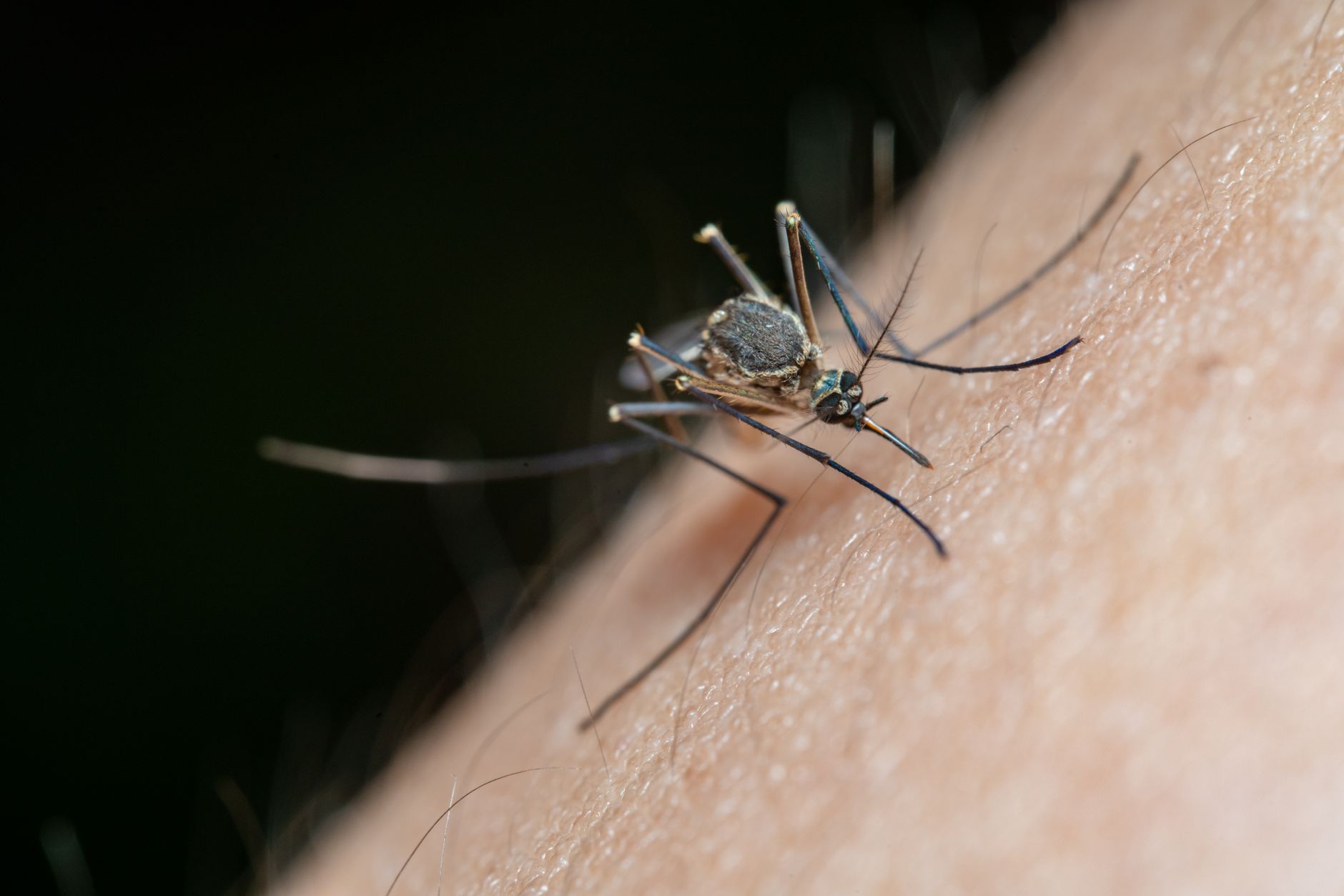
This is just damage control. Get a decent HEPA air purifier. Vacuum more than you want to, especially where the dog sleeps. Wash their bedding in hot water weekly. It’s tedious, sure, but it works. Environmental control is a clinically massive pillar everyone forgets.
When to Call in the Big Guns
If you’ve been consistent with the basics for 2-3 months and see zip, it’s time. A board-certified veterinary dermatologist (ACVD) can run the deep tests. They offer tailored solutions, like immunotherapy. It’s a more involved path, but for stubborn cases, it’s often the only one that brings real relief.
Combining Treatments is the Reality
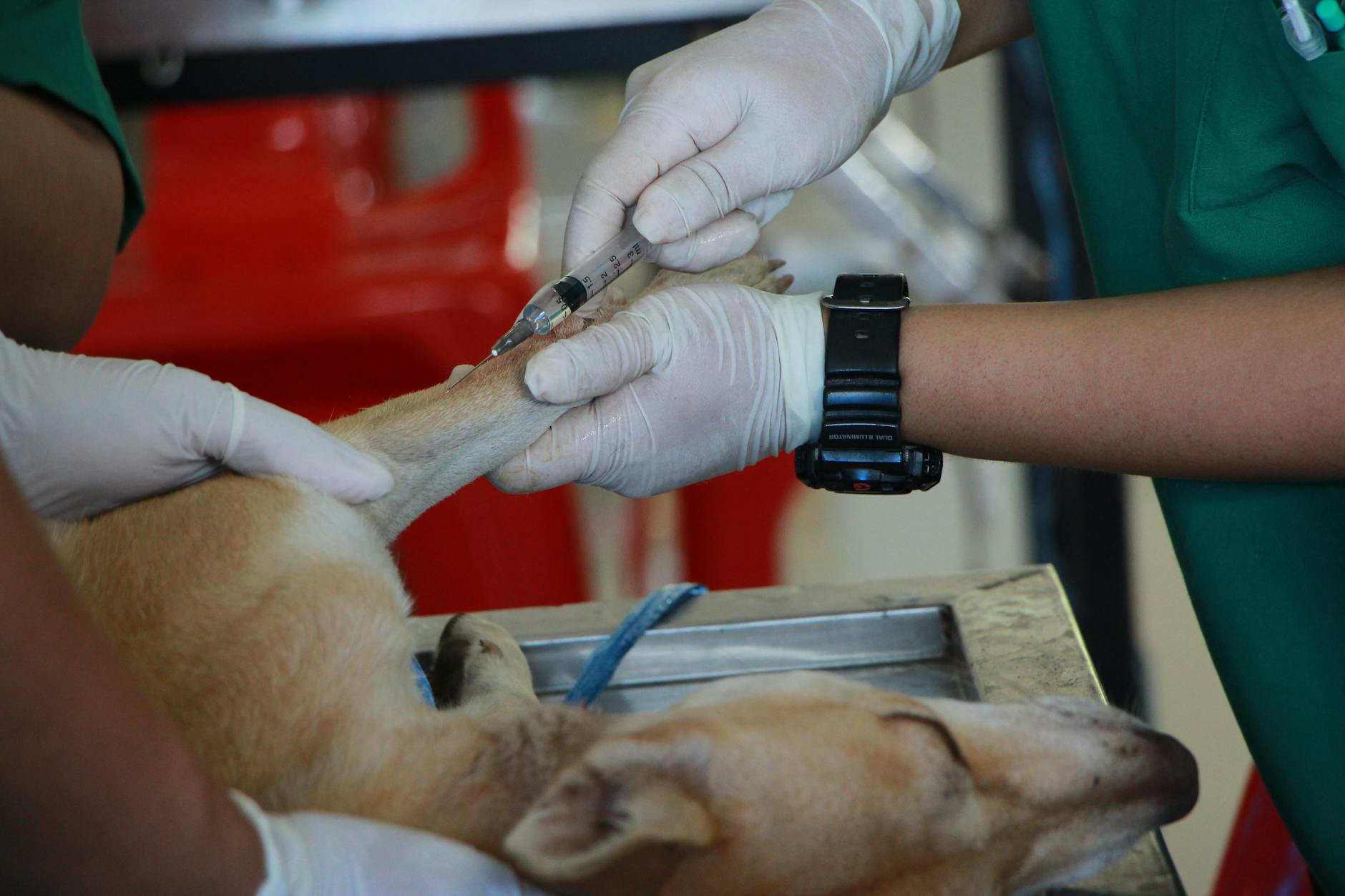
Let’s be clear: dog allergy treatment is almost always a mash-up. A topical cream for the local itch, an oral med for the systemic fire, maybe a therapeutic shampoo. The trick is to hit it from multiple angles. That’s it.
Monitor and Adapt. Constantly.
Allergies shift. A cream that worked last spring might fizzle out this fall. Check your dog’s condition every few weeks. If something stops working, don’t just use more. Talk to your vet. There are other options.
Wrapping It Up
Dog allergies are a lifelong pain. But management is possible. It hinges on knowing the triggers, using topicals right, and talking to your vet team. Be ready to adapt, it’s never a set-and-forget deal.