Last Updated on April 13, 2026 by Arlena Whitford
Look, dog eye allergies are a frustratingly routine problem I see everywhere you look. Itching, redness, despair. The bills pile up, the over-the-counter drops do nothing, and you feel stuck. Here’s the blunt truth: managing this requires a system, not a single silver bullet. Let’s break down how to get your dog relief, with strategies we use every day.
Truth is, owners always focus on the eyes. But the real fix often starts somewhere else entirely. Allergens get tracked in on paws, licked off, and then the whole miserable cycle reignites. It’s tedious, sure, but nailing the basics works.
At-a-Glance: What You’re Dealing With
What’s Actually Happening With Dog Eye Allergies?
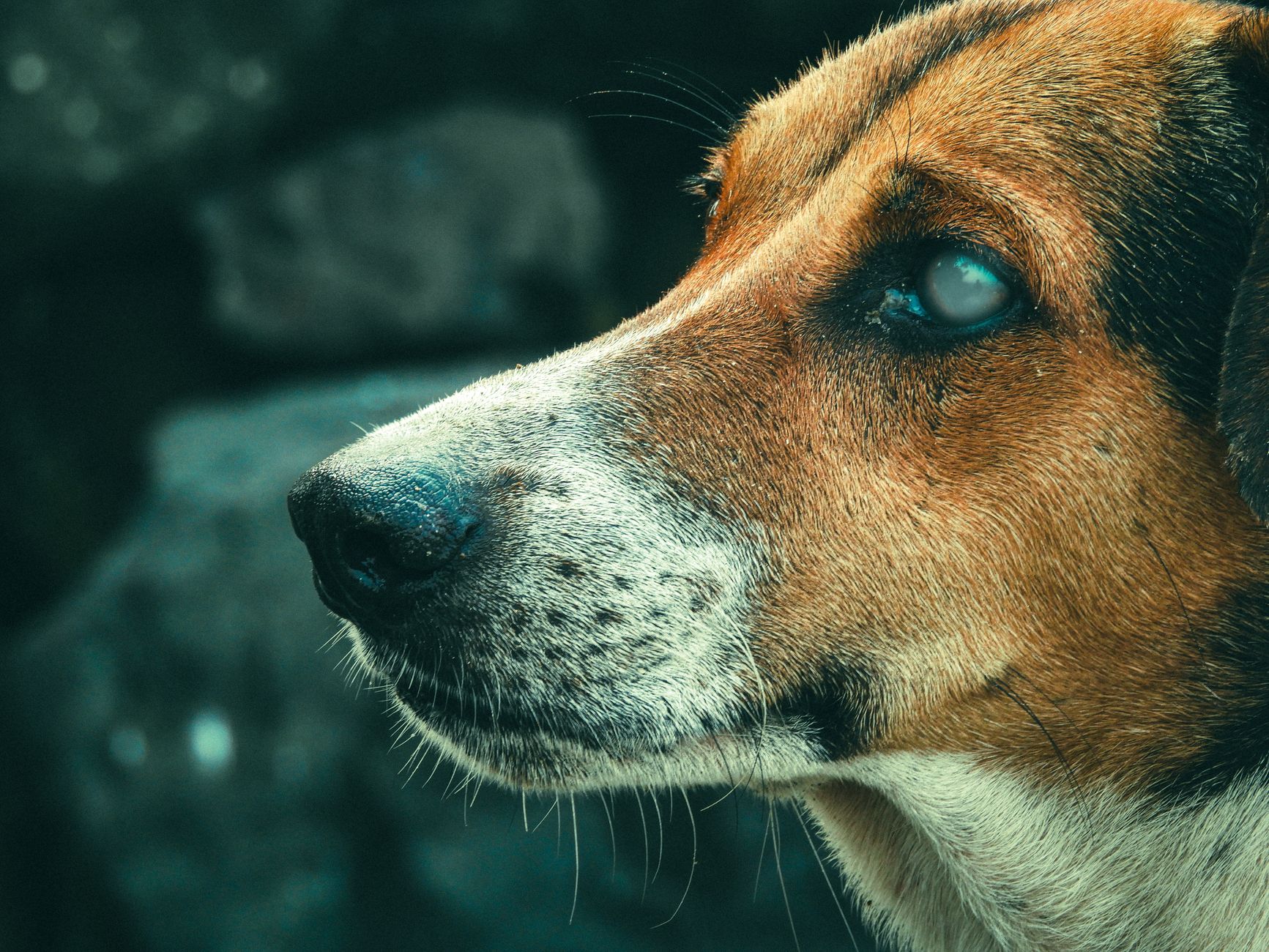
So, dog eye allergies start with an overzealous immune system. It mistakes a harmless speck of pollen for a threat, unleashing a histamine response. That’s what causes the redness, swelling, and goopy discharge. The usual culprits? Pollen, mold spores, dust mites, and sometimes ingredients in food. This isn’t just surface-level. The resulting inflammation can compromise the epithelial barrier integrity of the eye, making it more vulnerable.
Diagnosis in my clinic means a thorough work-up, we rule out infections, look at tear production, and examine that corneal surface. Sometimes we need to talk about allergy testing. It’s about finding the source, not just silencing the symptom.
Spotting the Signs: More Than Just Red Eyes
- Itching or Rubbing They’ll paw at their face or rub it on the carpet. This mechanical trauma is a huge problem—it makes the inflammation exponentially worse. I’ve seen dogs create corneal ulcers just from relentless rubbing.
- Red or Swollen Eyes Look for that pink, angry rim around the white of the eye (the conjunctiva). It’s a direct sign of irritation. Don’t ignore it.
- Watery Discharge Clear, watery discharge is standard. But here’s the thing: if it turns yellow or green, that’s a red flag. It usually means a secondary bacterial infection has moved in, and that needs prescription meds, not a wait-and-see approach.
- Squinting or Light Sensitivity If your dog is suddenly squinting in normal light, that’s pain. Plain and simple. It means the surface of the eye is irritated enough to warrant a vet visit that day.
What You Can Do at Home: Natural Remedies That Actually Help
Look, these won’t replace a vet plan for a gnarly case. But for mild irritation or as part of your management toolkit, they’re solid enough.
- Cold Compress A clean cloth soaked in cool water, gently applied. It constricts blood vessels, reduces swelling, and feels good. Simple. Do it for a few minutes a couple times a day.
- Chamomile Tea Rinse Brew a cup, let it cool completely. Use a fresh cotton ball to gently wipe from the inner corner outward. It has mild anti-inflammatory properties. Just make sure it’s plain chamomile and stone cold.
- Omega-3 Fatty Acids This is one of my most reliable long-term suggestions. High-quality fish oil (from your vet, not the grocery store) helps modulate the inflammatory response from the inside out. It takes weeks to build up, but it’s worth the headache. See my guide on the proper omega-3 dosage for dogs with allergies to get this right.
- Quercetin Supplements Called “nature’s Benadryl.” It can help stabilize mast cells that release histamine. Don’t just buy any off the shelf—get a veterinary-formulated version and follow dosing guidance.
- Hydration A well-hydrated dog flushes systemic allergens better. Make sure fresh water is always available. It’s an underappreciated part of skin and mucosal health.
- Allergen-Free Environment Wash bedding weekly in hot water. Vacuum with a HEPA filter. It’s boring, but it cuts down on dust mite load dramatically. A clean living space is a low-allergen space.
- Limit Outdoor Time During peak pollen counts, keep walks shorter and wipe down paws and coat with a damp cloth when you come inside. You’re physically removing the allergens before they can cause trouble. I had a client swear it was something in their home, turned out to be the field they walked through every afternoon.
The Food Connection: Best Dog Food for Skin Allergies

What your dog eats directly impacts their skin barrier, which is intimately linked to eye health. If the skin is inflamed, the eyes often are too. When searching for the best dog food for skin allergies, here’s what I tell clients:
- Limited-Ingredient Diets: These reduce the “antigenic load.” Fewer ingredients mean fewer things to potentially react to. Just ensure it follows AAFCO guidelines for complete nutrition.
- High-Quality, Novel, or Hydrolyzed Proteins: The protein source is often the trigger. Switching to a novel one (like duck or salmon) or using a hydrolyzed diet (where the protein is broken down so the immune system doesn’t recognize it) can be transformative. Client swears it’s environmental, elimination trial later and boom, beef was the trigger all along.
- Probiotics: Gut health is immune health. A good probiotic can help balance the system from the inside. It’s not magic, but it’s a decent enough support player.
Grooming Isn’t Just for Looks
This is frontline defense. Seriously.
- Regular Eye Cleaning Gently wipe away morning crust or discharge with a soft, damp cloth. Use a vet-recommended eyewash if needed. Keeping the area clean prevents buildup that traps allergens and bacteria.
- Frequent Bathing Bathing weekly with a hypoallergenic, oatmeal-based shampoo physically washes pollen and dander off the coat and skin. It’s one of the most effective environmental controls. Just don’t overdo it and dry out their skin.
- Flea Control Non-negotiable. A single flea bite can trigger a massive allergic cascade in a sensitive dog. Use a consistent, vet-recommended prevention plan year-round. It’s crucial.
When You Absolutely Need to See the Vet

If you’ve tried the home care for a few days and things are getting worse—or just not improving—it’s time. Chronic cases often need prescription intervention. We’re talking about steroid drops, immunosuppressants like cyclosporine, or even allergy immunotherapy (allergy shots).
Watch for these red flags: discharge changing color, increased swelling, obvious pain, or any cloudiness over the eye itself. Those aren’t “wait and see” signs.
This Is a Marathon, Not a Sprint
Eye allergies are rarely an isolated issue. They’re a symptom of a hypersensitive system. Long-term management means layering all these strategies—diet, environment, grooming, and vet care—into a sustainable routine. Collaborate with your vet. Adjust as needed. It’s about consistent management, not a one-time fix.
Works every time — almost.
Wrapping This Up
Managing dog eye allergies is a committed, multi-layered process. There’s no single answer. You have to identify the triggers, shore up the skin and gut barriers, control the environment, and use medication when necessary. It sounds like a lot. But when you see your dog comfortable, not rubbing their face raw, it’s everything. Combine the dietary shifts, the diligent grooming, and the vet partnership. That’s how you get lasting relief.