Last Updated on April 16, 2026 by Arlena Whitford
Look, a dog yeast skin infection is one of those frustratingly routine problems I see weekly. It’s everywhere you look, maddening for the owner, and downright miserable for the dog — I’d say most of them suffer relentless itching. That scratching isn’t just annoying, it breaks the skin barrier and paves the way for secondary bacterial junk. I watch owners spin their wheels on over-the-counter fixes with zero results. Sound familiar?
Here’s the pragmatic, no-fluff approach we use in the clinic. Truth is, management gets integrated into daily life, and consistency is the only thing that works long-term.
At-a-Glance: Clinical Summary
The Root Cause: What’s Really Going On?
Dog yeast skin infections are primarily caused by Malassezia pachydermatis. And look, this yeast lives on normal canine skin all the time. The problem starts when the skin’s microenvironment gets thrown out of whack. Allergies, hormonal imbalances, or just a damp, warm spot can trigger an overgrowth.
Spotting the Signs: Is It Yeast?
- Itching and Scratching
The itch is intense, almost compulsive. Dogs will lick, chew, and scratch at featured areas: ears, paws, armpits, and groin. They stop playing, they just seem… uncomfortable. - That Smell
A musty, rancid odor often tags along. Honestly, if your dog starts smelling like corn chips or stale cheese and it’s not from their paws after a walk, yeast is a top suspect. Healthy skin shouldn’t have a pronounced smell. - Skin Changes You Can See
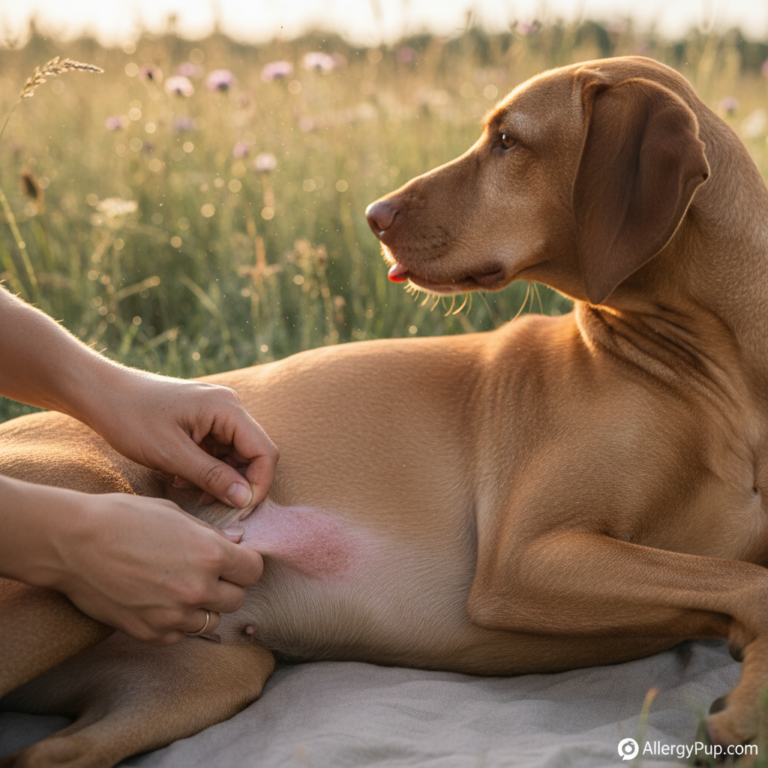
Redness, greasy flakes, or a leathery, elephant-like texture. In gnarly chronic cases, the skin can darken or get raw from constant trauma. I had a dog last month whose back was just… leather. From a “hypoallergenic” food loaded with potato.
Getting a Proper Diagnosis
1. Start With a Vet Visit

Don’t assume it’s yeast. Please. I’ve seen mites, bacteria, and autoimmune conditions mimic it. A proper exam often needs a skin scraping or tape cytology—we look under the microscope to see the yeast army.
2. When We Dig Deeper
Sometimes a fungal culture is needed, especially if it’s stubborn-as-hell. It rules out other nasties. Because here’s the thing: if allergies are the root cause, we gotta discuss allergy testing or a diet trial. Treating the symptom without the cause guarantees a comeback.
Effective Treatment Protocols That Work
- Topical Antifungals
Best for localized, surface-level issues. Medicated shampoos with miconazole or ketoconazole are solid enough. Regular bathing physically removes the yeast and spores. It’s tedious, sure, but it works. Choosing the right dog shampoo for itchy skin matters for best results. - Oral Antifungal Medications
For widespread or stubborn infections, we go systemic. Drugs like fluconazole or itraconazole. They’re powerful but require monitoring—we check liver values because safety isn’t optional. - Dietary Adjustments
This is where clients get skeptical, but I’ve seen it change everything. A low-carb, high-protein diet can starve the yeast. Avoid common triggers like corn, wheat, and excess potatoes (and yeah, even the fancy boutique brands do this). - Environmental Management
Wash all bedding in hot water weekly. Vacuum frequently. It’s about reducing the allergenic load and yeast spores in your dog’s world. A simple step, but consistently missed.
Why the Immune System and Skin Barrier Matter

A compromised immune system is a welcome mat for recurrent yeast. But more often, I see a damaged skin barrier from allergies. Any crack in that barrier lets in allergens and lets yeast take hold.
Prevention: It’s Cheaper Than Treatment
- Regular Grooming
Brush your dog weekly. It removes dead skin and allergens, distributes natural oils. Basic maintenance that pays off. - Sun Exposure
Moderate sun can help keep superficial yeast in check. But don’t overdo it—sunburn is worse. - Hydration
Well-hydrated skin is more resilient. Ensure fresh water is always available. Simple as that. Really. - Scheduled Vet Visits
Routine checks catch the early whispers of a problem. Best insurance you can buy.
Wrapping It Up
Long-term management isn’t about one magic pill. It’s identifying the underlying cause, hitting the yeast with targeted treatment, and then sticking with a preventative lifestyle. Work with your vet as a team, and stay vigilant about diet and environment.
That’s the trick.