Last Updated on April 16, 2026 by Arlena Whitford
Finding the best dog food for allergies is a frustrating puzzle, and I’ve watched owners spin their wheels for years. The scratching is constant, the chewed-up paws, those stubborn-as-hell ear infections—it’s exhausting for everyone. And that new bag of fancy kibble? Probably contains the same old problem. Up to 30% of dogs deal with this mess. Let’s cut through the noise with a clear plan, the same one I use in the clinic after decades of this.
Look, owners often come in desperate for a fix to the itching and the gut trouble. Truth is, the management protocol is simple but tedious: an elimination diet, done right, and consistent monitoring. It’s not glamorous, but it’s the only thing that consistently works.
At-a-Glance: What Actually Works
1. Pinpoint the Real Triggers
You gotta know what you’re fighting. From what I’ve seen in practice, the usual suspects are proteins: chicken, beef, dairy, egg. Grains get blamed a lot, but true grain allergies are less common than marketing would have you believe. The symptoms tell you everything: relentless itching, that obsessive paw licking, chronic ear gunk, or intermittent diarrhea. A proper elimination diet is the only reliable way to get a real answer, it’s non-negotiable.
But here’s the thing we often miss. Feeding the same protein every single day for years can actually cause a sensitivity. It’s a repetitive exposure thing. The immune system eventually says, “I’m done with this,” and the whole inflammatory cascade kicks off. So rotation early on isn’t a bad idea at all.
2. The Power of a Limited Ingredient Diet (LID)
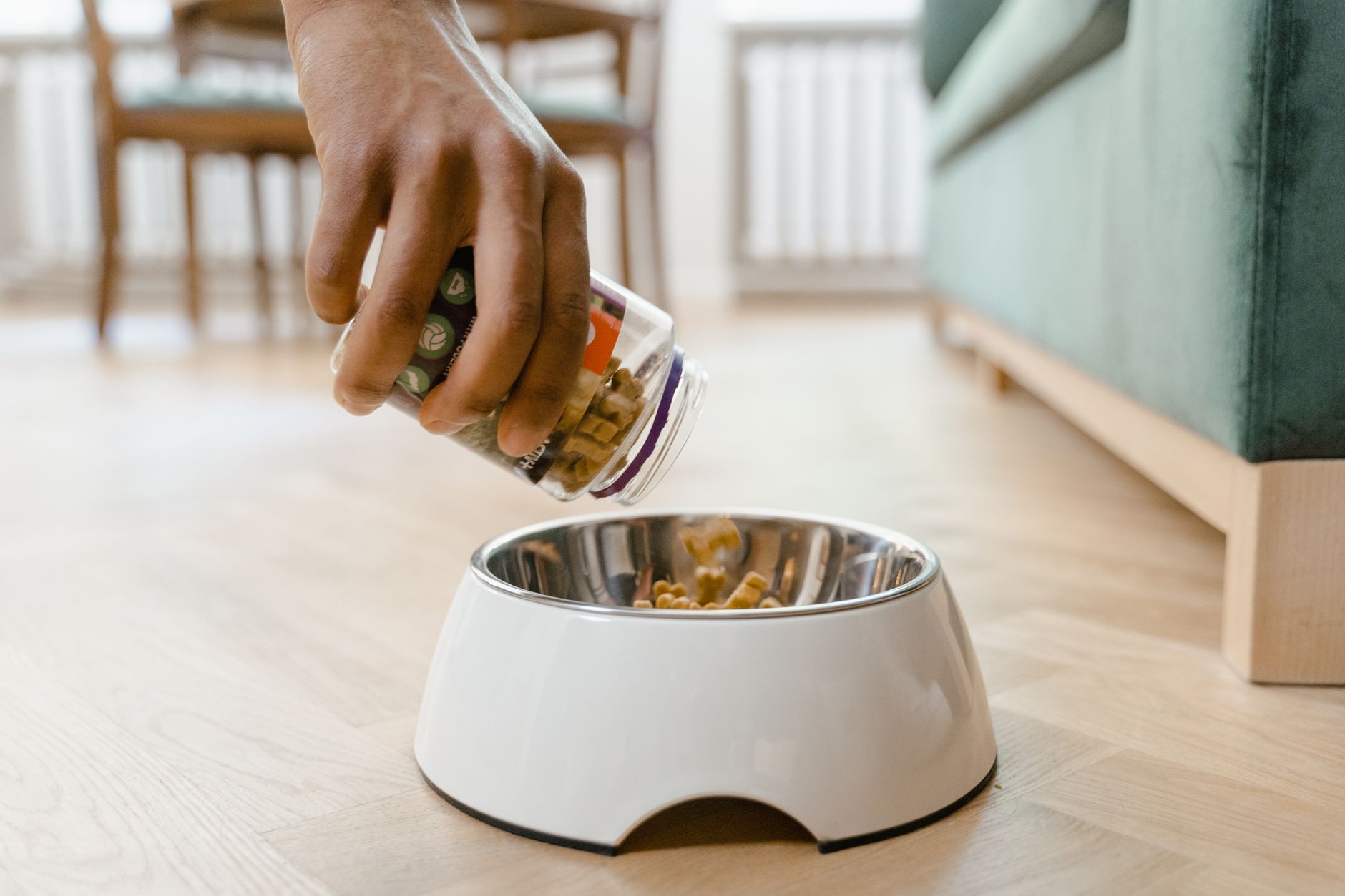
Think of a LID as a diagnostic tool, not just a food. One novel protein source, one carb source. That’s the whole trick. It slashes the antigenic load so you can finally see what’s happening.
This is the core of the elimination trial, which needs a solid 8-week commitment. No treats, no flavored meds, nothing else. It’s a massive hassle, but it’s the only way to get a clean baseline. After that, you reintroduce old ingredients one by one and watch like a hawk. Client swears it’s environmental — elimination trial later and boom, beef was the trigger all along.
3. When to Try Novel Proteins
Novel protein diets use sources your dog’s system hasn’t memorized. We’re talking rabbit, alligator, or even insects now. Because they’re unfamiliar, the immune system often doesn’t mount its typical over-the-top response.
I’ve had clients swear by a switch to something like kangaroo after years of chicken-based foods. There’s also some thought that rotating these novel proteins every few months can support a more resilient gut microbiome, it keeps the immune system on its toes in a good way. Works every time — almost.
4. Hydrolyzed Protein Diets: A Clinical Workhorse
This is a clever workaround. The protein is hydrolyzed—broken into tiny peptide fragments too small for the immune system to recognize as an enemy. So your dog gets the amino acids they need without the inflammatory fireworks.
These prescription diets are incredibly useful, especially for dogs with multiple sensitivities. We use them as a reset button. The key is veterinary supervision, and owner compliance. The biggest reason hydrolyzed diets fail? One beef jerky treat ruins the whole experiment. I’ve lost count how many times I’ve seen it.
5. Grain-Free or Not? Let’s Be Practical

The grain-free debate is full of hot air. For the vast majority of allergic dogs, the problem isn’t the grain. It’s the protein in the grain-free food, which is often chicken or beef (and yeah, even the fancy boutique brands do this). Grains like brown rice are generally benign, decent sources of energy.
If you’ve truly ruled out protein allergies with your vet and grain intolerance is still suspect, then explore a grain-free option. But always check that it meets AFFCO guidelines. Don’t trade one problem for a nutritional deficiency, it happens way more than you’d think.
6. Gut Health is Everything
This is the underappreciated front in the allergy battle. A compromised gut lining lets partially digested proteins sneak into the bloodstream, which the body then attacks. Probiotics can help shore up that barrier and calm the systemic immune response. Prebiotics feed the good bugs.
Look for veterinary-formulated supplements with strains like Bifidobacterium animalis. The stuff on the supermarket shelf often isn’t potent enough. Getting the gut flora stabilized can sometimes reduce the allergenic response enough to make other management strategies finally click.
7. This Isn’t a “Set It and Forget It” Deal
Allergies evolve. A diet that worked for two years might stop working, you have to be ready to reassess. I tell all my clients to keep a simple food diary—just a notebook in the kitchen. Note what goes in, note any itching or digestive weirdness over the next 48 hours. Patterns emerge, I’ve seen dogs itch for 18 months straight on a ‘hypoallergenic’ grain-free kibble because the culprit was cross-contaminated lamb from the same factory line.
Work with your vet on a long-term review schedule. Sometimes a tiny adjustment is all it takes. Continuous evaluation is the real secret.
Wrapping This Up
Managing food allergies is a marathon, not a sprint. Start with a methodical elimination diet using a limited ingredient or hydrolyzed food. Support gut health, ignore the grain-free hype unless it’s truly warranted, and stay adaptable. Partner with your vet. It makes the path from frantic itching to a comfortable dog much, much shorter.