Last Updated on April 27, 2026 by Arlena Whitford
Canine skin disease hits about 30% of dogs every year — I see it daily. That nonstop scratching, biting, red patches? It’s not just annoying. Left alone, it spirals into gnarly infections and a seriously crummy quality of life. Nothing’s more frustrating than trying treatments that barely work, feeling like you’re stuck in this loop forever.
So here’s the real deal on spotting symptoms, figuring out triggers, and actually getting results — stuff I’ve picked up from board-certified veterinary dermatologists and way too many late clinic nights.
Canine skin allergies lead many owners to seek information for effective management and care options. Understanding these conditions allows for the implementation of daily routines that incorporate symptom monitoring and environmental control. Consistency in monitoring symptoms is a standard practice for managing canine sensitivities, contributing to better overall health outcomes for affected pets.
At-a-Glance: Clinical Summary
Understanding Canine Skin Disease
What Are the Common Types?
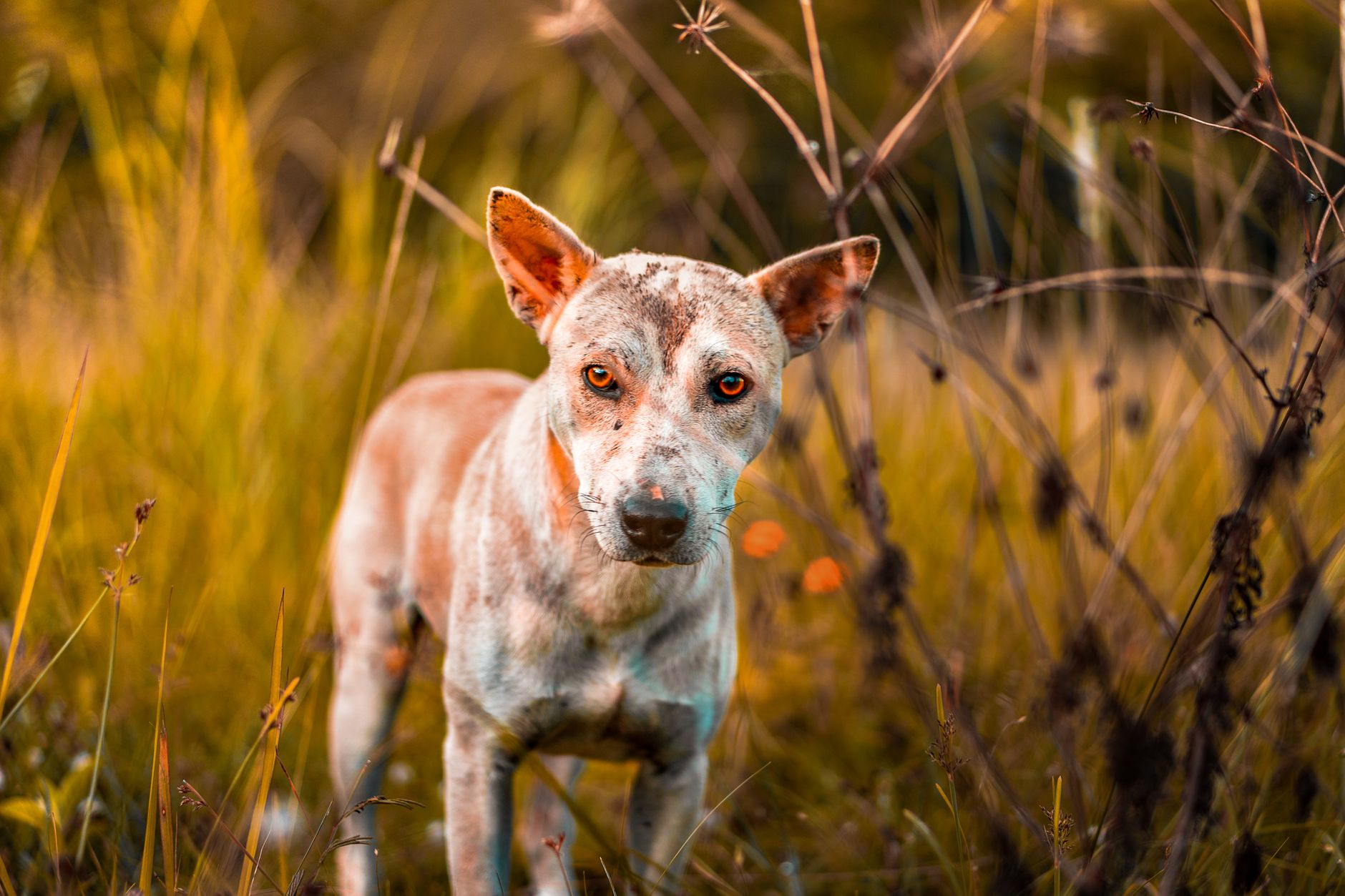
Canine skin disease covers everything from allergies to infections. Here’s the breakdown:
- Allergic Dermatitis: The big one. Pollen, dust mites — environmental stuff triggers histamine, and you get itching, redness, swelling. Frustratingly routine.
- Fungal Infections: That musty, damp smell? Classic. Malassezia loves moist areas, especially in breeds with skin folds.
- Parasites: Flea allergy dermatitis — the itch from flea saliva is brutal. Mites cause mange, those localized bald patches that freak owners out.
- Autoimmune Conditions: Complex. Hair loss, ulcerated skin. Requires detailed diagnostics; no shortcuts here.
How Do You Diagnose It?
Diagnosis takes a systematic approach — we don’t just wing it:
- Physical Examination: Pattern recognition. Lesions or hair loss in certain spots? That guides the differential list.
- Skin Scrapes and Cytology: Quick tests that catch mites or bacteria. Without ’em, you’re treating blind.
- Allergy Testing: Intradermal or serum testing can pinpoint the specifics. Not always perfect, but solid enough for chronic cases. Check these dog allergy test tips for lasting relief.
- Biopsy: For the weird, stubborn stuff. Rules out autoimmune or worse.
Look, I’ve had owners swear their dog’s skin issues are “just allergies” for a year. Scraped it, found mites. Treatments started working that week. That’s why we test.
Treatment Options — What Actually Works?
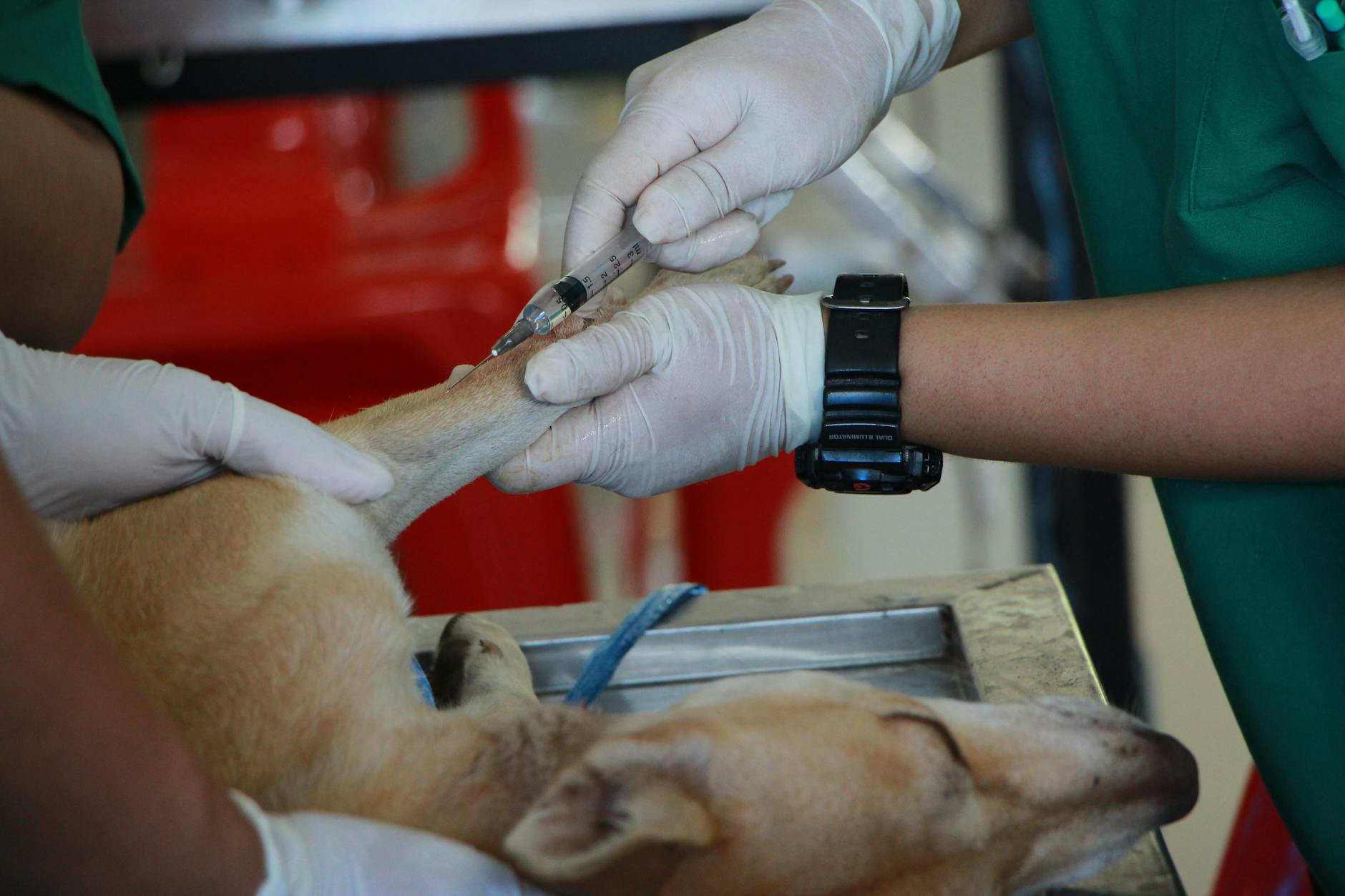
Treatments vary as much as the conditions themselves:
- Antihistamines: Hit-or-miss for itching. Some dogs respond great, others get zero relief.
- Topical Treatments: Therapeutic shampoos — antifungal or antibacterial — can repair the skin barrier. Worth the hassle for chronic infections. If you’re unsure which shampoo to use, see these expert tips on dog shampoo for itchy skin.
- Immunotherapy: Custom-tailored to your dog’s specific allergens. Takes time but provides real relief.
- Corticosteroids: Quick inflammation reduction for bad flare-ups. Use cautiously — side effects are a pain.
Managing at Home — What Owners Can Do
Pet owners make or break skin health with this stuff:
- Regular Bathing: Hypoallergenic shampoos wash off surface allergens. Oatmeal-based ones are soothing.
- Environmental Control: Clean living spaces, keep up flea prevention. (Yes, even in winter.)
- Dietary Adjustments: Low-allergen diets can help — but consult your vet first. I’ve seen people waste money on “grain-free” brands that weren’t the issue.
- Routine Vet Visits: Monitoring matters. Treatments need tweaking over time.
Genetic Factors — Breed Predispositions
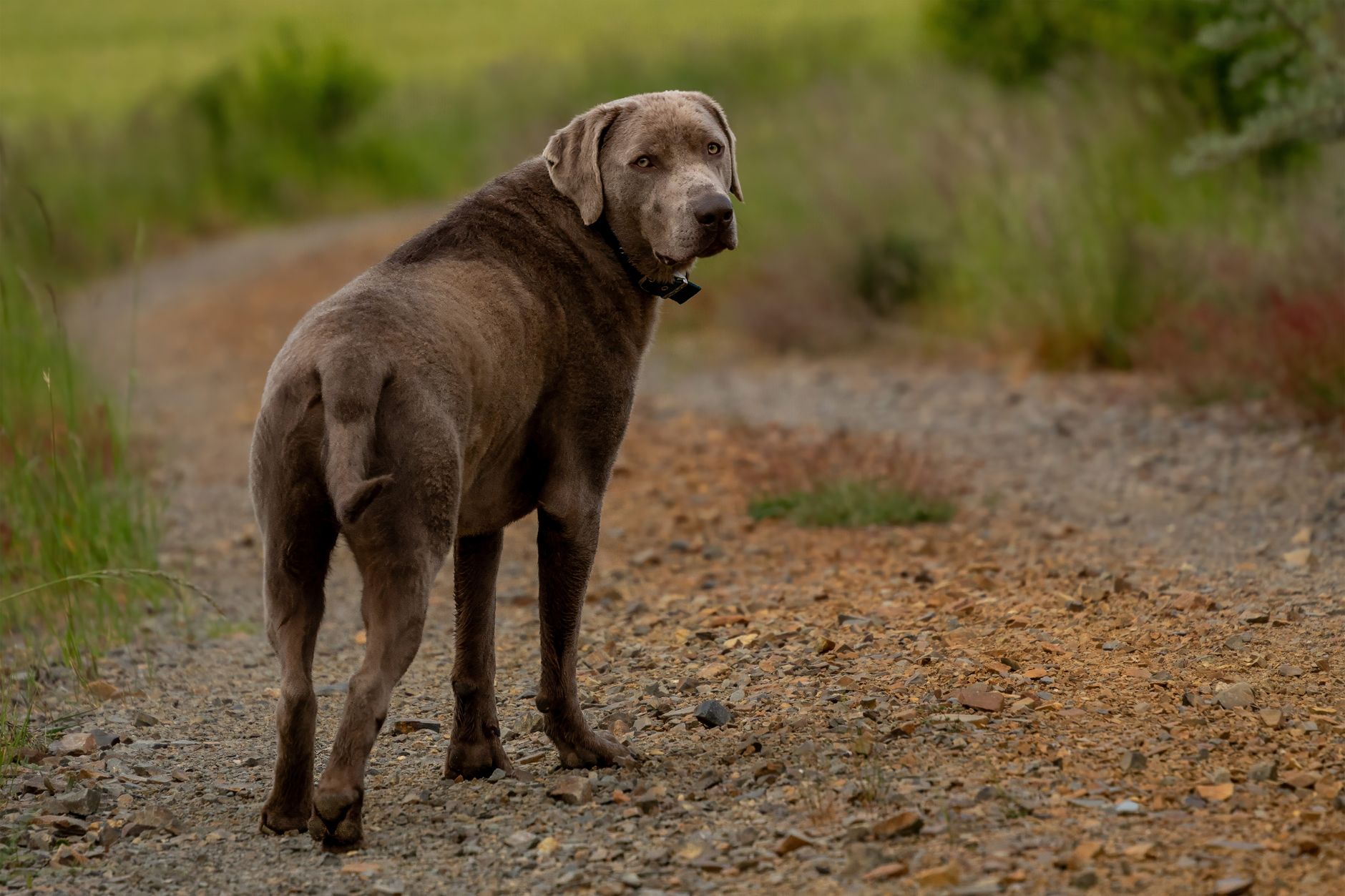
Some breeds get the short end genetically:
- Bulldogs and Pugs: Skin fold dermatitis thanks to all those wrinkles.
- Siberian Huskies: Autoimmune skin diseases run in the line.
- Dachshunds, too: regular screenings catch problems early.
Proactive management beats reactive panic every time.
What About Canine Black Skin Disease?
Canine black skin disease — Alopecia X — shows up in certain breeds. Hair loss plus dark pigmentation. Starts young, which is worth noting.
Treatment: Hormonal therapy. Results aren’t predictable, tbh. Good grooming and proper nutrition help keep things manageable. Not a cure, but decent control. For more on this topic, see causes of dog skin turning black from scratching.
Conclusion: Living With It Long-Term
Canine skin disease isn’t a one-and-done fix. Early diagnosis matters. Ongoing management means regular vet visits, controlling the environment, and paying attention to nutrition. Stay persistent — your dog’s quality of life depends on it.