Last Updated on April 24, 2026 by Arlena Whitford
Look, if you’re reading this, you’re probably exhausted. Canine skin infection is frustratingly routine in my practice—affecting up to 20% of dogs at any given point. The constant itching, those gnarly lesions, the revolving door of vet visits. You’re stuck in this cycle of treatments that don’t stick, hoping something finally breaks through. I’ve been there with clients. Hundreds of times.
Here’s what I’ve learned from board-certified veterinary dermatologists about getting this right—diagnosing accurately, telling the infections apart, and actually making treatment work.
Truth is, dog owners seeking info on canine skin infections usually have recurring symptoms that’s messing up everyone’s routines. These management protocols kinda have to become part of regular pet care to keep an eye on things. Consistency in monitoring symptoms? Non-negotiable. It’s how you spot what’s actually going on and adjust treatment without guessing.
At-a-Glance: Clinical Summary
Diagnosing Canine Skin Infections
What Are the Signs?

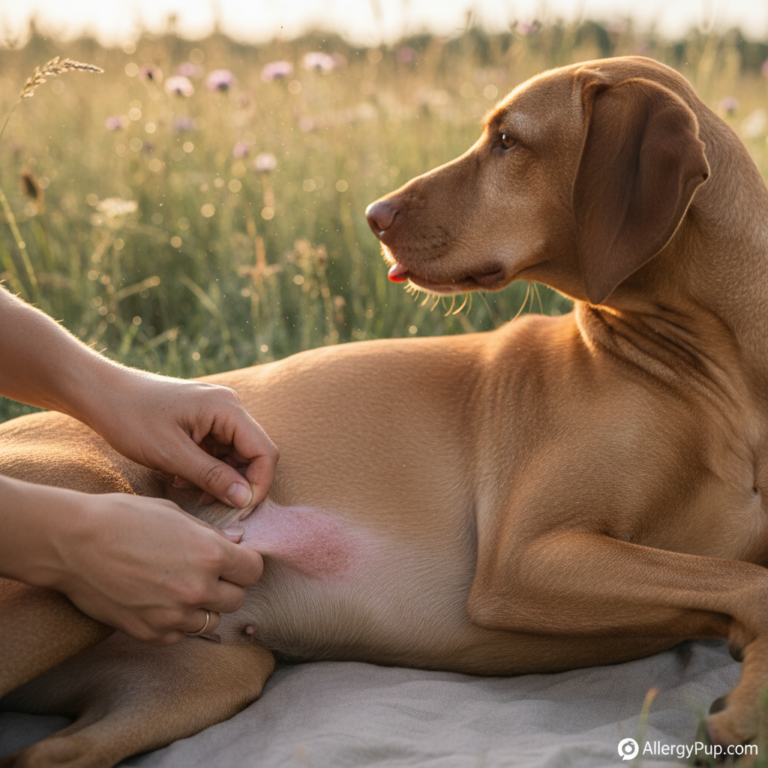
The outside looks bad—I get it. But diagnosing a canine skin infection means looking deeper. Watch for persistent scratching, redness, weird oiliness. Sometimes you’ll see hair loss or skin that’s gone leathery from chronic inflammation. Each clue points somewhere: bacterial, fungal, parasitic.
Essential Diagnostic Tests
Telling bacterial from fungal? Not always straightforward. Cytology is my go-to—scraping skin, looking under the microscope. Culture tests nail down the exact pathogen. (Which matters more than most owners realize.) And don’t skip dermatophyte tests—fungal infections that hide in plain sight are a thing. I’ve seen dogs itch for 18 months straight on “hypoallergenic” grain-free diets—turns out the real issue was yeast dermatitis that needed completely different meds.
Types of Canine Skin Infections
Bacterial

Staph bacteria is the usual suspect. They overgrow when the skin barrier breaks down—allergies are often the culprit. You’ll see pustules, crusting, sometimes that weird crunchy feel when you touch the dried skin. Treatment usually means systemic antibiotics, ideally based on culture results. Then you recheck. Always recheck.
Bathe regularly with medicated shampoo—whatever your vet recommends. Not all shampoos are worth the hassle, but the right one helps keep things under control.
Fungal
Malassezia yeast is the big one here. Intense discomfort. That strong, musty smell that lingers. Dogs lick and scratch like crazy. Treatment might be topical creams or systemic antifungals—depends on how bad it is. Owners hate hearing this but I’ve had plenty of dogs with “recurrent infections” that just needed antifungals all along.
Treating Canine Skin Infections
Topical Treatments—When They Work

For localized spots, topicals can give decent relief. Hydrocortisone or climbazole for itching and inflammation. But don’t just slap stuff on and hope for the best. Get a full vet exam to guide things.
Systemic Treatment Time
Severe cases? Widespread infections? You’re looking at oral antibiotics or antifungals. If it covers big areas or has hit multiple body systems, topical isn’t enough. For chronic situations, it’s about long-term strategy—regular check-ups to keep tabs on skin health. Simple as that. Really.
Prevention Strategies
Nutrition’s Role
Diet matters more than people give it credit for. Omega-3 fatty acids help build a solid skin barrier. AAFCO recommends high-quality, nutrient-dense food that fits your dog’s specific needs. (And yes, that means reading labels.) (And yeah, some of those boutique brands are marketing garbage.) For a detailed guide, consider expert advice on the best dog food for dogs with allergies.
Environmental Tweaks
Grooming regularly removes debris. Cuts down bacterial and fungal loads on the skin. Specialized wipes or sprays between baths? Worth considering. Keeps things stable. That’s the trick—reduce what’s sitting on the skin before it becomes a problem.
Long-Term Management
Here’s the thing: recurrent infections almost always trace back to something else—allergies, hormonal imbalances, the works. You need a multi-pronged approach. Regular vet visits. Ongoing flea control. Maybe allergy testing to find food sensitivities or environmental triggers. Nine times out of ten, if you’re seeing infections over and over, you missed the underlying cause. Burying it is just buying time til it pops back up. If you’re considering testing, explore dog allergy test tips for lasting relief.
FAQs
Expert Summary
Managing canine skin infections means getting the diagnosis right and sticking with treatment. Regular vet check-ups tailored diets topical or systemic treatments when needed—all of it plays a part. Hygiene environment stressors. Pay attention to all of it. Your dog will be better off. That. Is the goal.