Last Updated on April 10, 2026 by Arlena Whitford
Look, allergic reactions in dogs are a frustratingly routine part of my day — I see it in about 15% of my patients, honestly. The constant itching, the angry skin, the owner’s worry. It’s exhausting for everyone, but truth is, it’s worse for the dog. Here’s the no-BS view from decades in the trenches.
From what I’ve seen in practice, owners just want to know what’s happening and how to make it stop. And the management? It’s got to become part of your daily grind. You’ve gotta watch your dog like a hawk, every single day. Consistent monitoring isn’t just good practice, it’s the only way you’ll spot the patterns and tweak the plan.
At-a-Glance: Clinical Summary
Recognizing the Signs: What This Actually Looks Like
So what are you seeing? The signs are usually blatant once you know.
- Itching and Scratching. This isn’t a casual scratch. It’s a relentless campaign — gnawing paws, face-rubbing on the carpet, scooting. They’re on a mission for relief.
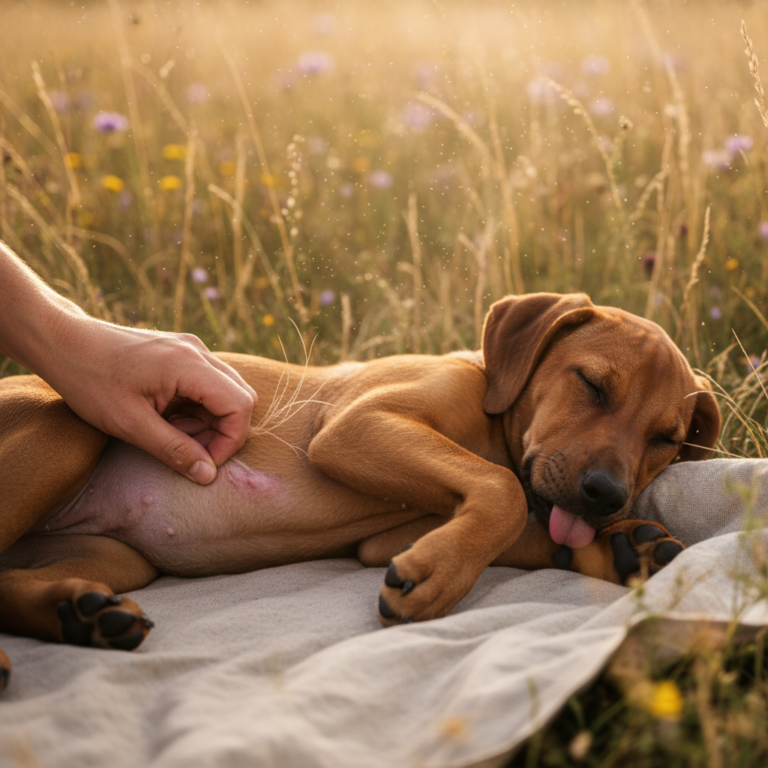
- Skin Rashes. Look for red, angry skin or raised hives. Belly, paws, ears, and face are prime targets, it’s where the thin skin lives.
- Eye Discharge. That goopy mess isn’t just ugly, it signals real irritation, sometimes a full-blown infection waiting to happen.
Clinically, it’s a histamine party. Mast cells blow up, release their inflammatory junk, and the whole miserable cycle kicks off. Spotting it early is everything.
The Flea Allergy Nightmare

Flea allergies are the most common yet clinically underappreciated trigger I see. I’ve lost count how many times a single flea bite sets off a stubborn-as-hell, body-wide reaction.
The fallout is textbook. Intense, localized itching, usually right above the tail. Then come the skin infections because bacteria waltz right into those scratched-open wounds. I’ve had clients spend hundreds on allergy tests only to find the culprit was a flea population they thought was “under control.” Simple as that. Really.
A Quick Note on Indoor-Only Dogs
I hear it all the time. “But my dog never goes outside!” Fleas hitch rides on us, on other pets, through a screen door. Assume exposure. Plan for it.
Untangling the Web of Environmental Allergies
Pollen, dust mites, mold spores. This is where things get complicated because you can’t just eliminate the air. Identification is a total detective game.
Start with timing. Do symptoms erupt every spring or fall? That’s a giant arrow pointing at pollen. Then look indoors. Old carpets, dusty vents, even that beloved stuffed dog bed can be a reservoir for mites (and yeah, even the fancy memory foam ones).
A study by the ACVD found about 10% of urban dogs struggle with pollen allergies. So you’re not imagining it — environmental management is a massive, unavoidable piece of the puzzle.
Food Allergies and Canine Dermatitis: The Elimination Diet Grind

Food allergies are less pervasive than environmental ones, but they’re a real beast when they occur. Reactions can pop up within hours of eating the offending ingredient.
Protein sensitivity is the usual suspect. Beef, dairy, chicken top the list. (And yes, that includes the “hypoallergenic” grain-free formulas that just swap one protein for another).
The only reliable diagnostic tool? A brutally strict elimination diet for 8-12 weeks. No treats, no table scraps, nothing but the prescribed diet. The AVMA isn’t kidding — muddling this process leads to prolonged suffering. I’ve seen dogs itch for 18 months straight on a boutique diet because the culprit was cross-contaminated lamb from the same factory line. Works every time — almost.
Building a Long-term Management Plan That Actually Works
Managing this is a marathon. Anyone who promises a quick fix is selling something. Here’s the actionable strategy I walk my clients through.
- Partner With Your Vet. Keep them in the loop, this isn’t a one-visit solution. Regular check-ups track progress and adjust the plan, they see the trends you might miss.
- Understand the Medication Role. Antihistamines, corticosteroids, newer targeted therapies like oclacitinib — they manage symptoms. They don’t cure the allergy. They’re a tool, not the whole toolbox.
- Consider Immunotherapy. For stubborn-as-hell environmental allergies, allergen-specific immunotherapy (shots or drops) can be a game-changer. It’s a long-term commitment but often the closest thing to a real solution we’ve got.
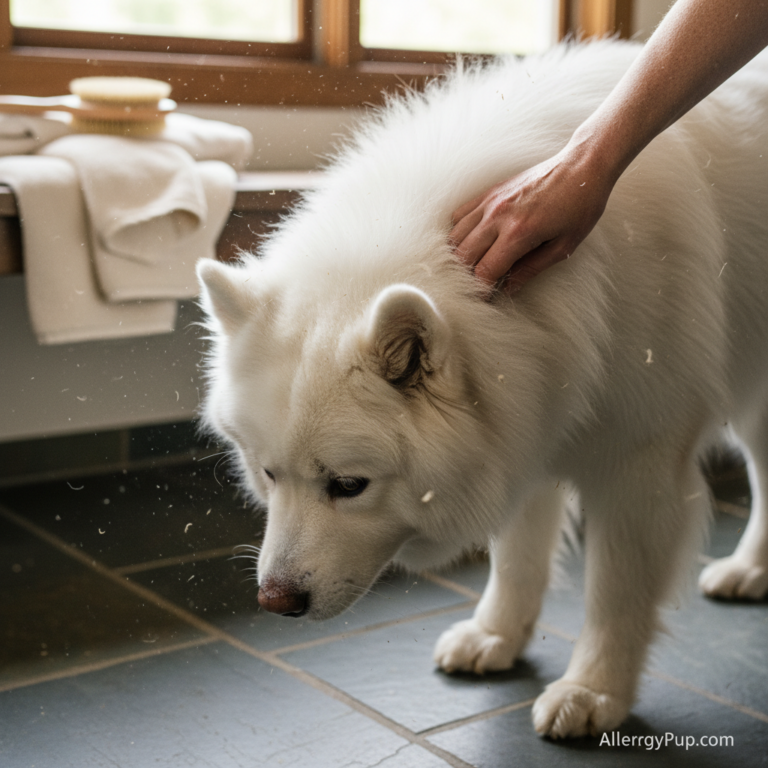
- Bathe With Purpose. A weekly bath with a soothing shampoo does two things. It calms irritated skin and physically washes allergens off the coat. It’s a simple, reliably decent move.
- Control Your Environment. Air purifiers with HEPA filters, washing dog bedding in hot water weekly, regular vacuuming. It reduces the allergen load your dog has to fight. Every little bit helps, even if it feels tedious.
The goal isn’t perfection. It’s making your dog comfortable enough to live its life.
Wrapping This Up
Identifying and managing allergic reactions requires stubborn vigilance. You’ll need a realistic plan, a solid partnership with your vet, and the patience to play the long game. Observe the patterns, control what you can, and stay proactive. That’s the trick.