Last Updated on April 14, 2026 by Arlena Whitford
Allergic skin disease in dogs is everywhere you look. The itching is relentless, the vet bills pile up. And that new food you tried last month? It probably still has the same old triggers. Here’s a straight path to find those triggers and cut them out — using the protocols we actually use in practice.
At-a-Glance: Clinical Summary
What’s Actually Causing Your Dog’s Itchy Skin?

Truth is, it’s a misfiring immune system. Your dog’s body mistakes harmless stuff — like pollen, dust mite proteins, or a chunk of chicken in their food — for dangerous invaders. This kicks off a histamine response. The result? Inflammation, irritation, and that maddening, constant itch. The clinical signs are what you see: excessive scratching, licking, chewing. Basically, they can’t leave their own skin alone.
Pinpointing Environmental Triggers
Look at your dog’s world. Does the itching surge in spring or fall? That’s a classic pollen signal. Worse after rolling in grass or tied to damp areas? You’ve got a clue. Working with a dermatologist on allergy testing can map these sensitivities, leading to targeted desensitization therapy. It’s a process, but for stubborn-as-hell cases, it’s reliably decent.
The Food Allergy Puzzle
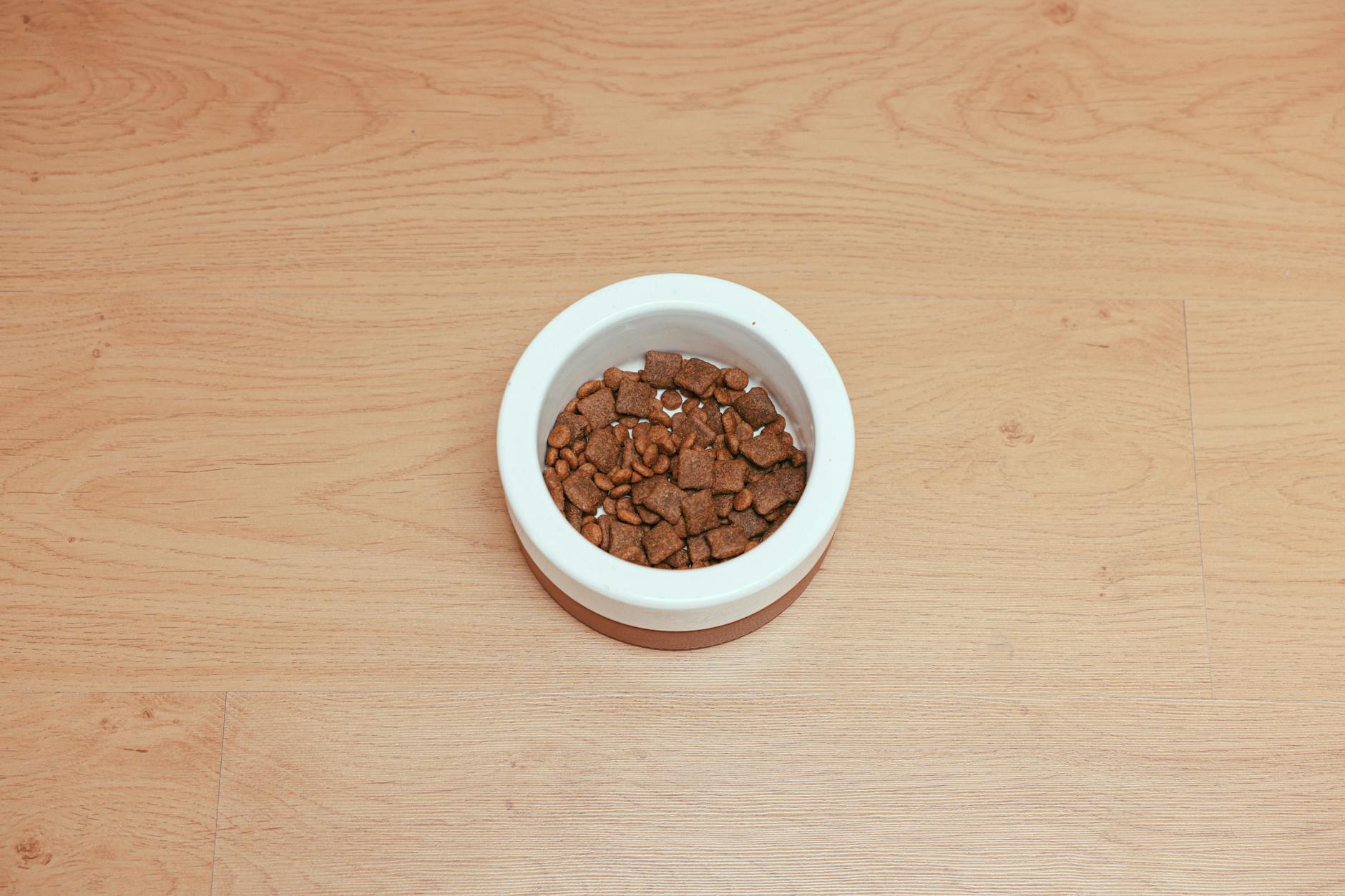
Food allergies can show up as tummy trouble, but the skin is the main event for most dogs. Food trials are the gold standard, no way around it. You’ll need a strict limited-ingredient or hydrolyzed diet for a solid 8-12 weeks — no treats, no flavored meds, nothing. The goal is to find novel protein and carb sources your dog’s system hasn’t encountered before. I’ve lost count how many times a client swears it’s environmental, elimination trial later and boom, beef was the trigger all along. For detailed steps, follow our dog allergy food trial guide.
How We Diagnose Allergic Skin Disease
Getting a diagnosis isn’t a single test. It’s a detective game, and here’s what that looks like after a 14-hour day of itchy-dog appointments.
- The Deep-Dive History: We’ll talk about everything. Diet history, symptom patterns, home environment, what you’ve tried. Bring notes, the more disjointed details the better.
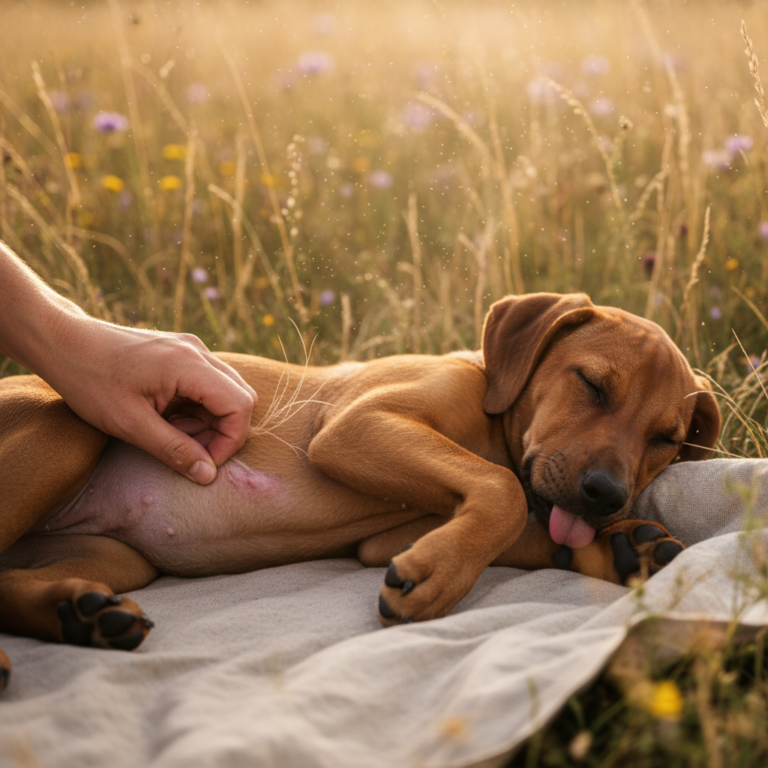
- Hands-On Physical Exam: We look for the *where* and *how* of the itch. Pattern recognition is key here — like that classic red, angry rash on a dog’s belly and inner thighs.
- Allergy Testing Options: Intradermal skin tests or blood tests can identify environmental sensitivities. But here’s the thing: these results aren’t a final answer. They have to be interpreted alongside the clinical picture, they guide therapy, especially for immunotherapy.
- The Rule-Out Process: We have to exclude look-alikes. Fungal infections, parasitic infestations, even autoimmune disorders. Sometimes a skin scrape or biopsy is the fastest way forward.
- Therapeutic Trial Response: Often, the diagnosis is confirmed by the response. If the itching clears up on a specific diet or a course of targeted medication, we’ve found our culprit. Simple as that. Really.
A Multi-Pronged Management Plan
Managing this is never one thing. It’s a tailored, layered headache. You’ll likely need a mix of these tactics.
Environmental Control Measures
Reducing exposure is a clinically massive first step that owners often miss.
- Minimize contact. Frequent vacuuming with a HEPA filter, washing dog bedding in hot water weekly, and wiping paws after being outdoors can limit dust and pollen.
- Clean the air. A good quality pet allergy air purifier in the main living area can make a tangible difference, believe it or not.
Dietary Management Strategies
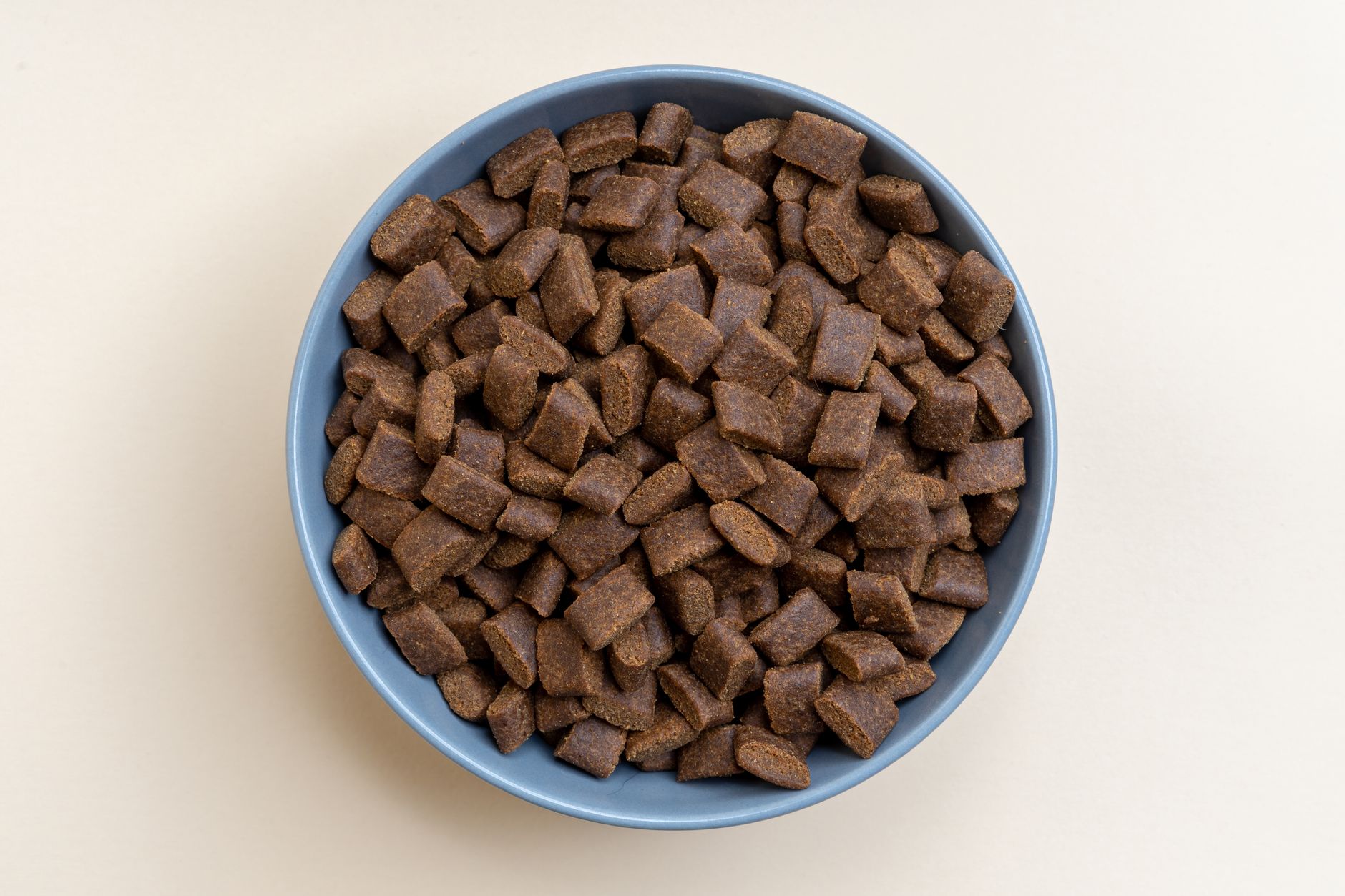
If food is part of the problem, this is non-negotiable.
- Commit to the diet. Switch to a truly hypoallergenic or novel protein diet. Choose high-quality, **AAFCO**-approved options. And be militant about it — one stolen bite of chicken can reset the clock. I’ve seen dogs itch for 18 months straight on ‘hypoallergenic’ grain-free, culprit was cross-contaminated lamb from the same factory line.
Medical and Therapeutic Interventions
When avoidance isn’t enough, medicine steps in.
- Symptom relief. Topical therapies (sprays, mousses) with anti-itch ingredients, oral antihistamines, or short courses of corticosteroids can break the itch-scratch cycle. We use these as tools, not crutches.
- Long-term solution. For environmental allergies, **immunotherapy** (allergy shots or drops) is the closest thing to a cure. It’s a commitment, but it aims to desensitize your dog’s immune system over time.
Foundational Skin Care
Think of this as barrier repair.
- Bathe strategically. Regular baths with a gentle, moisturizing or medicated shampoo soothe skin and wash allergens away. But don’t overdo it — once a week is usually plenty. Over-bathing strips natural oils. Our dog shampoo tips guide helps find the best options.
- Replenish moisture. Using a vet-formulated moisturizer or spray can bolster the skin’s natural defense. It’s a simple step that pays off.
Living With Allergies: Reducing Flare-Ups

You can get this under control. But it’s often a lifelong condition that needs monitoring.
- Stay observant. Keep a simple log of itchiness, diet, and environment. Report back to your vet. Things change.
- Be ready to adjust. Protocols need tweaking with seasons or as your dog ages. What worked last year might need a refresh. Works every time — almost.
The Bottom Line
Allergic skin disease is a gnarly, stubborn burden. But through a combination of smart environmental control, strict dietary management, appropriate medication, and partnership with your vet, you can manage it effectively. Early recognition and a decisive, structured plan are everything.
FAQs
By understanding the process, you’re already ahead. This is a marathon, not a sprint, but getting it right means a happier, more comfortable dog. That’s the whole point.