Last Updated on April 14, 2026 by Arlena Whitford
Dog allergic reaction symptoms are everywhere you look in my clinic. Up to 20% of dogs suffer at some point. The relentless scratching, the raw hot spots, the secondary skin infections—it makes life miserable for everyone. This isn’t just a little itch. It’s about spotting the primary signs and getting back to a decent quality of life with methods we actually trust.
Look, owners often come in confused, navigating this mess. Truth is, management just has to become part of the daily routine. Consistency is everything, you’ve got to note the changes.
At-a-Glance: Clinical Summary
Understanding the Landscape of Canine Allergies

Honestly, allergic reactions in dogs are a complicated mess. The immune system overreacts to something harmless, and the fallout lands on the skin and gut. Here’s how to start making sense of it.
What Does an Allergic Reaction Look Like on a Dog’s Skin?
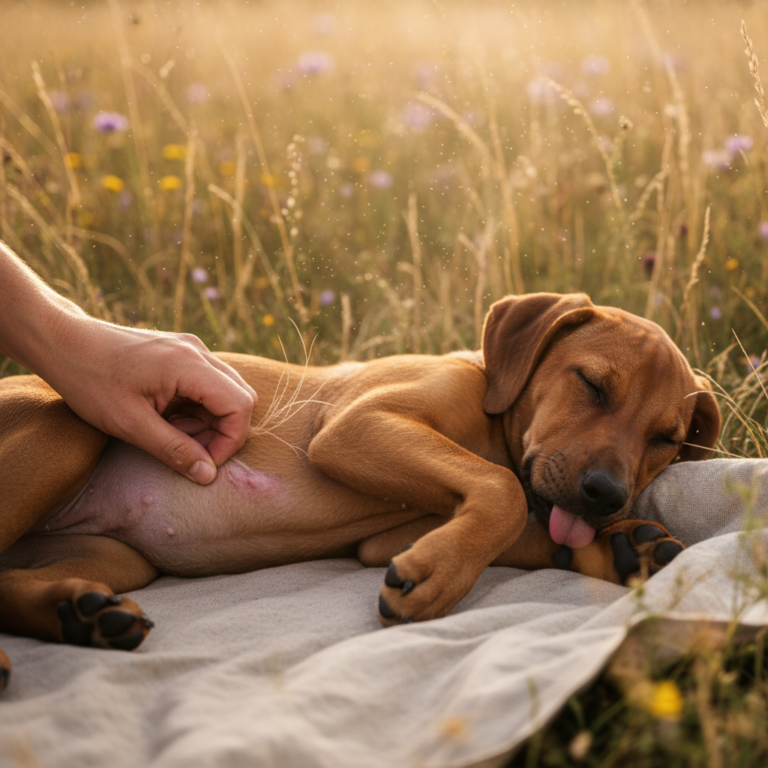
The skin is the billboard for internal allergic chaos. The changes are hard to miss.
- Itching or Scratching: This is the big one. Persistent, driven scratching or biting is a classic sign of histamine release. It’s not casual, it’s compulsive.
- Red or Inflamed Skin: We call this erythema. It’s a visual sign of that overactive immune response kicking off, leading to localized irritation and heat. You’ll see it often in the armpits, groin, and ears.
- Hot Spots: These are nasty. Localized areas of moist, infected inflammation that seem to explode overnight. That distinct “musty” smell? That’s usually a secondary bacterial or fungal infection setting up shop.
Allergic dermatitis is typically a clinical diagnosis—we put the history and the physical signs together first. Testing might come later.
The Food Allergy Connection
Many owners are shocked when I suggest food. They think it’s always the pollen. But food allergies are a significant, clinically undervalued player. I’ve seen dogs itch for 18 months straight on ‘hypoallergenic’ grain-free — culprit was cross-contaminated lamb from the same factory line.
- Gastrointestinal Distress: Vomiting, diarrhea, or unusual gas can be direct indicators. It’s the gut’s immune system misfiring at specific proteins.
- Chronic Ear Infections: Recurring ear issues are a massive red flag. That ongoing inflammation in the ear canal? Often linked directly to food allergens circulating in the system.
The ingredient quality is paramount. AAFCO guidelines are your baseline framework when choosing food, not a marketing slogan on the bag (and yeah, even the fancy boutique brands do this). Many owners find expert-verified tips on what to feed a dog with food allergies a vital resource for making smart dietary choices.
Environmental Triggers We Often Miss
These are the stealth allergens. Pollen, dust mites, mold spores. They’re everywhere.
A single flea bite can cause a world of hurt for a sensitized dog. We call it flea allergy dermatitis, and it leads to some of the most severe, gnarly scratching I see. The reaction is to the flea’s saliva, not the bug itself.
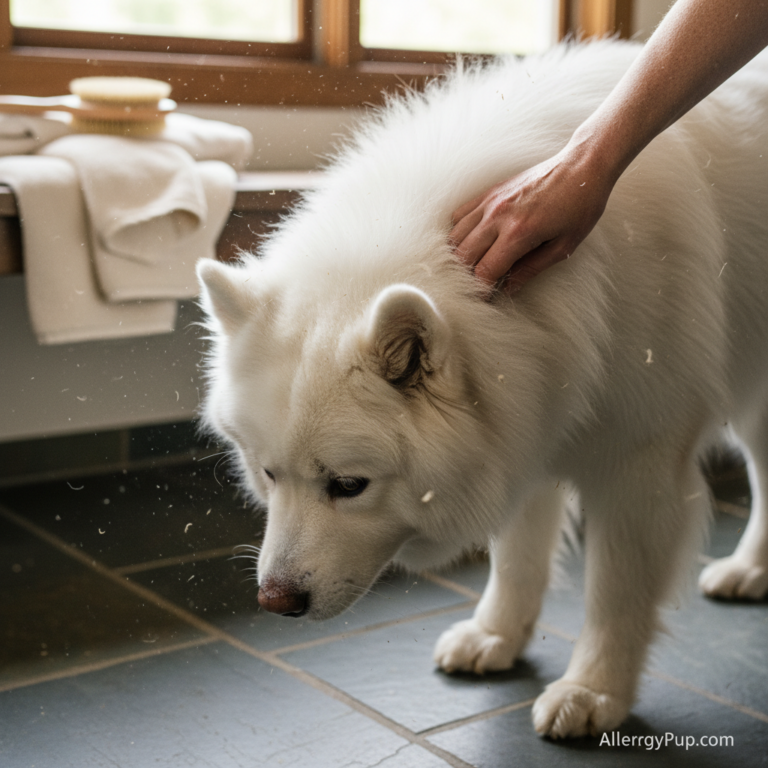
Understanding your dog’s epithelial barrier integrity—fancy words for the skin’s “armor”—helps you manage this. Regular grooming with a damp cloth can physically remove a lot of pollen and dander before it causes trouble. For managing this condition, check my guide on proven dog shampoos for flea allergy dermatitis.
Can Dogs Be Allergic to Other Dogs?

It sounds strange, but yes. Some dogs react to other dogs’ hair or dander. Symptoms mimic other environmental allergies.
- Sneezing and Coughing: Respiratory distress in high-dander environments, like a busy dog park.
- Itchy Skin: The same scratching and licking patterns, just triggered by canine company.
Owners are always surprised by this one. But the immune system doesn’t discriminate.
A Note on Dander-Specific Reactions
For dogs allergic to dander itself, you might see issues flare more consistently indoors where concentrations build up. Rapid breathing or wheezing can happen if it progresses. A veterinary dermatology evaluation can determine if targeted allergy testing, like intradermal tests, is the next logical step.
Is It an Allergy or Something Else?
This is where owners get tripped up. Distinguishing between an allergy and another skin condition like mange or a bacterial infection is tricky.
- Patterns Matter: Allergic reactions often create symmetrical lesions. Think red paws on both front feet, itchy ears on both sides. Infections or parasites? Their patterns are usually haphazard.
- Response to Treatment: Here’s a crude but useful clue. Allergies often improve, at least somewhat, with antihistamine therapy. Bacterial issues won’t budge without antibiotics.
Arming yourself with this basic knowledge helps. Truth be told, we often have to play detective.
How We Actually Diagnose Allergies in the Clinic
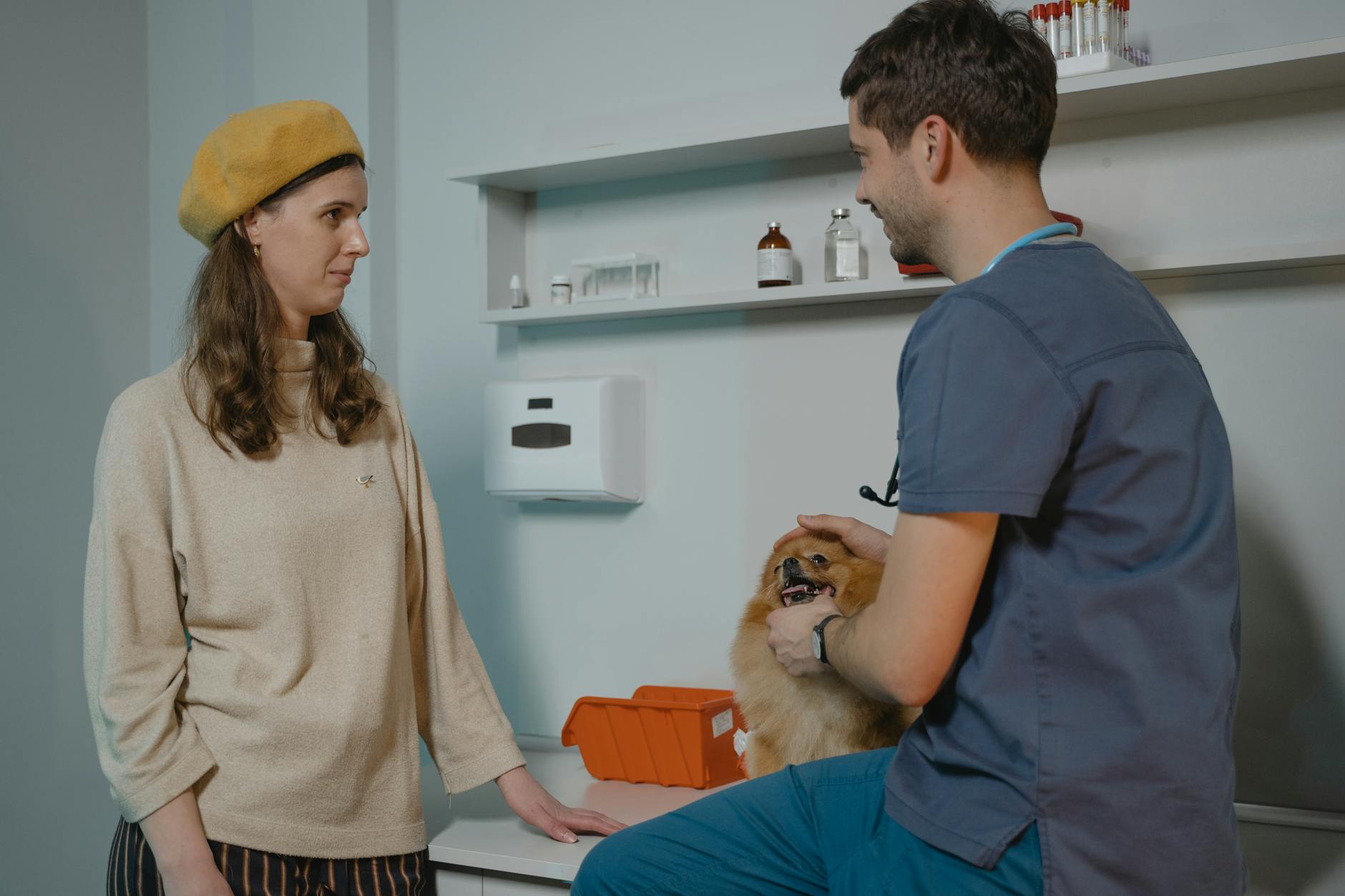
It’s a process, not a single test.
- Clinical Examination: This is 80% of it. We need a detailed history. When did it start? What changes did you make? The story tells us more than any lab.
- Allergy Testing: Serum tests (blood) or intradermal tests (skin) can pinpoint specific environmental allergens. Useful for planning immunotherapy. For details on costs and process, refer to the expert-verified insights on how much do allergy tests for dogs cost.
- Elimination Diet Trials: The gold standard for food allergies. It’s a hassle, but it’s the only way to know for sure. You feed a hydrolyzed or novel protein diet exclusively for 8-12 weeks. No treats, no flavored meds. Nothing else.
A well-rounded approach that mixes dietary sleuthing with symptomatic relief usually gets the best results.
A Long-Term Management Plan That Actually Works
Managing this is a marathon, not a sprint. It’s about layering strategies.
1. Dietary Management: The Elimination Diet

Start with a strict elimination diet. I mean *strict*. Introduce one novel protein source at a time—like duck or venison—to see what happens. I’ve had clients swear they were being perfect for months, but the dog was still itchy. Nine times out of ten, it was cross-contamination from a shared spoon or a well-meaning family member slipping a treat.
2. Vet Visit Frequency
Don’t just go when it’s a crisis. Schedule proactive follow-ups, especially during peak allergy seasons. It lets us adjust the plan before things spiral.
3. Environmental Control
This is about reducing the allergen load. Regular washing of bedding in hot water, using HEPA filters, and wiping your dog down after walks makes a tangible difference. It’s not glamorous, but it’s reliably useful.
4. Medications and Therapies
We have tools. Depending on the severity, we might discuss:
- Antihistamines: Sometimes helpful, but hit-or-miss in dogs.
- Corticosteroids: Powerful for breaking the itch-scratch cycle, but not for long-term use.
- Immune-modifying drugs (like Apoquel or Cytopoint): These newer options can be lifesavers for stubborn-as-hell cases.
- Allergen-Specific Immunotherapy: That’s the allergy “shots” or oral drops. If testing identifies specific triggers, this structured approach can retrain the immune system. It’s a commitment, but it offers the best chance for long-term, drug-free relief for many dogs.
5. Skin Care Support

Invest in a good hypoallergenic, soothing shampoo. The goal is to restore the skin barrier function, soothe existing irritation, and prevent secondary infections. It’s a complement to the medical plan, not a replacement. For choosing the right product, see my expert-verified tips on what dog shampoo is best for dogs with itchy skin.
6. The Supplement Question
Always consult your vet first. Some supplements—like omega-3 fatty acids—can help fortify the skin barrier and moderate inflammation. Others are a waste of money. We can point you to the ones with decent clinical backing.
FAQ Section
Final Thoughts
Long-term management hinges on a proactive, layered strategy. There’s rarely one magic bullet. It’s the combination of smart environmental control, targeted nutrition, consistent veterinary partnership, and sometimes, medication. That’s how you get a happier, more comfortable dog. The goal isn’t always a cure, but a manageable, itch-free life.