Last Updated on March 27, 2026 by Arlena Whitford
Dog allergy to beef symptoms mess with about 10% of dogs, and honestly, we miss it constantly. The non-stop scratching. The hot spots that make you wince. That exhausting, expensive cycle of trying a new bag every month. You know the drill—every label promises a fix and delivers more frustration. Let’s just cut to the chase. This isn’t theory. It’s what I see in the clinic, day after day, and how you can actually deal with it.
Look, as a vet who’s been in the trenches with itchy dogs for a long time, the management is straightforward but tedious. You gotta commit to the dietary changes and the vet visits, it’s just part of the routine now. And you have to watch them like a hawk, because consistency is the only way you’ll spot the triggers and adjust.
At-a-Glance: The Real-World Summary
Spotting Dog Allergy to Beef Symptoms

Recognizing dog allergy to beef symptoms is your starting line. Truth is, the signs aren’t subtle once you know the pattern.
The Big Seven Giveaways
1. Chronic, Obsessive Itching
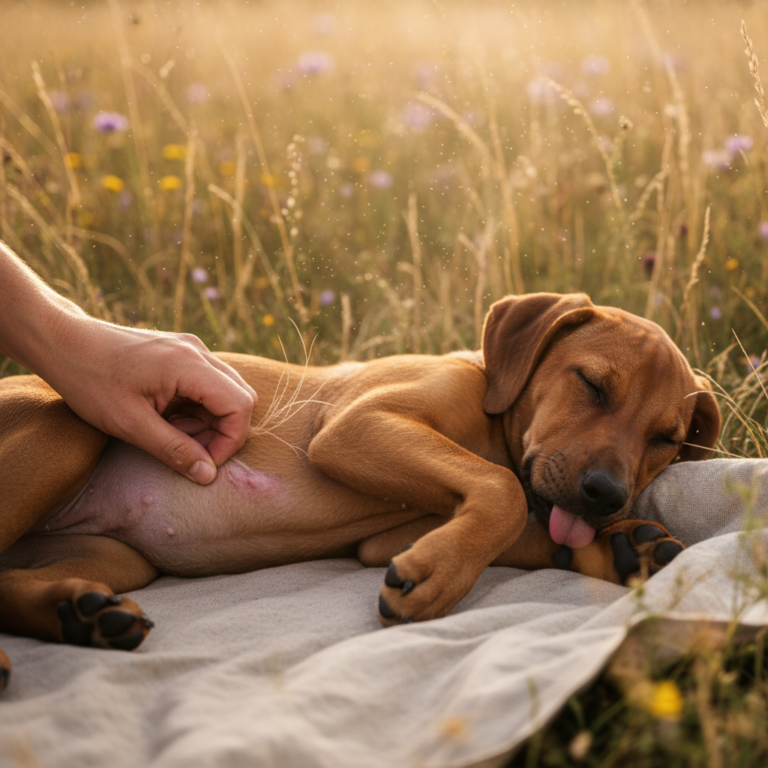
This isn’t a casual scratch. It’s frantic, relentless scraping that leaves raw, angry patches. Here’s the thing: histamine release just overwhelms the skin’s natural barrier, so their immune system is basically in permanent overdrive.
2. Hot Spots
Those wet, painful lesions come from too much licking or chewing. You’ll see them on the flank, face, or paws a lot. The smell is unmistakable—musty and gross, with raw skin staring back at you.
3. Ear Infections That Keep Coming Back
Recurrent ear garbage is a classic clue. Look for redness, gunky dark discharge, and a yeasty stink. It’s all linked to inflammation wrecking the ear canal’s lining.
4. Gut Trouble
The belly gets involved too. Vomiting or diarrhea after meals can signal the allergy is irritating the whole intestinal tract, it’s not always just a skin show.
5. Coat Goes Downhill
The fur tells the story. You’ll find patchy hair loss, a dull, rough coat, and skin that feels like old leather. This is what chronic, stubborn-as-hell inflammation does.
6. They Just Seem Tired
Think how you’d feel with a constant itch. Dogs are no different. The sheer discomfort drains them, leading to less play and more moping around.
7. Secondary Infections Move In
Scratched-up skin gets infected. Bacterial or fungal junk complicates everything, and you might even feel a nasty “crunch” under your fingers from scabs and crust.
How We Actually Diagnose This
Diagnosing a dog allergy to beef is methodical, not magic. It’s a process of elimination, literally.
We Start With a Grilling
Your vet will interrogate you. When did the itching kick off? What’s *exactly* in the bowl? How often do flares happen? We’re digging for patterns tied to beef exposure.
The Gold Standard: The Elimination Diet Trial
This is it. The single most reliable method, period. You feed a novel protein source—like duck or venison—for at least 8 weeks straight. No exceptions, no cheat treats. I’ve lost count how many times a client comes back after six weeks saying it didn’t work, and we find out they missed a beef-flavored pill pocket or shared a burger scrap.
Where Allergy Testing Fits
Blood or skin tests can map other allergens, like pollens or dust mites. They’re not the final word for food alone, but they paint a broader picture of the dog’s allergic mess. Useful, but not definitive here.
Rule Every Other Thing Out First
We have to be sure. So we do skin scrapes, maybe fecal tests, to check for mange mites or infections that copy allergy symptoms. Differentiating is critical.
What Comes Next: Treatment That Works
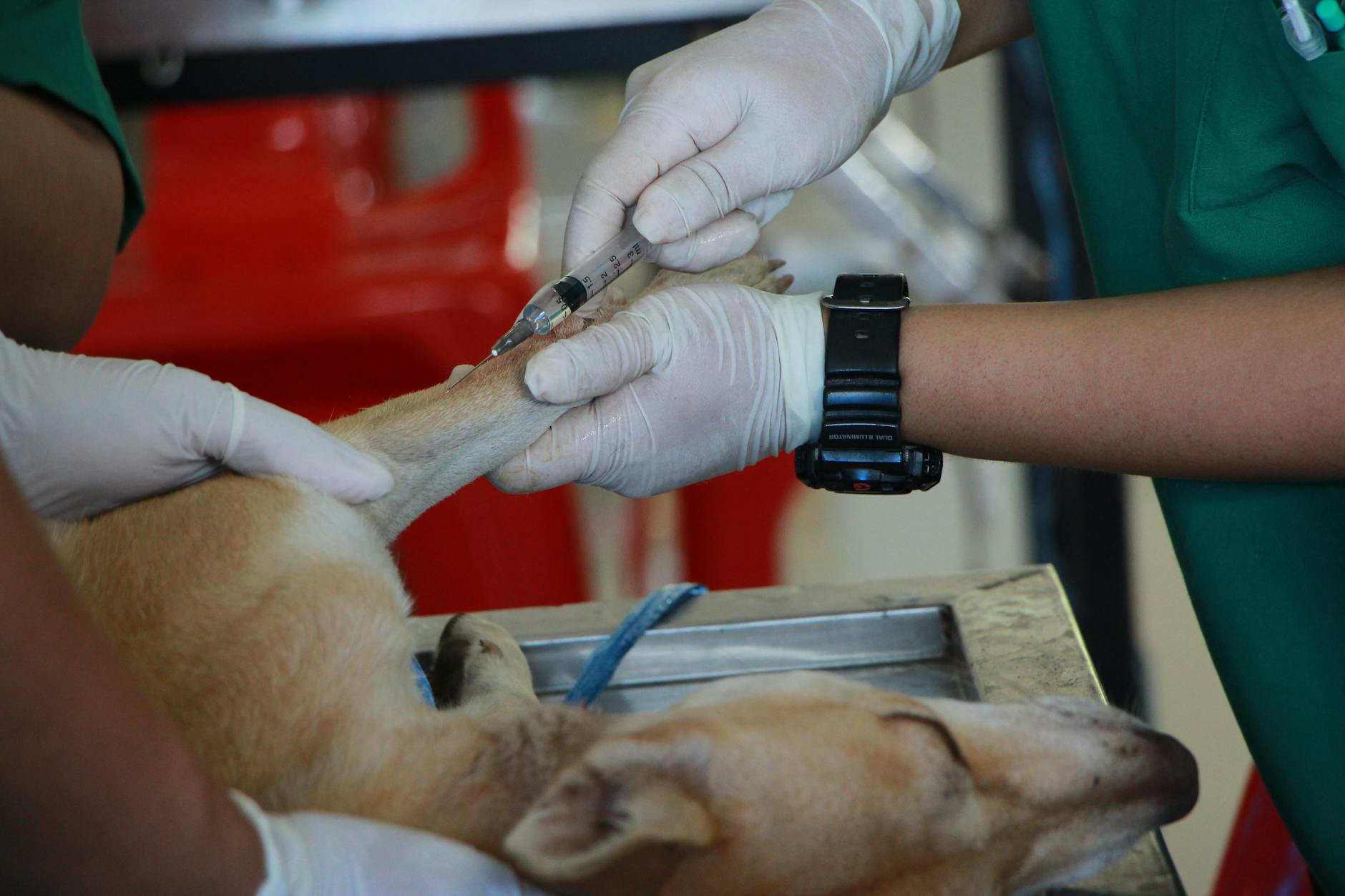
Once you’ve confirmed a dog allergy to beef, the real work begins. Here’s the tactical approach.
1. Total Beef Elimination
Seems obvious, but you’d be shocked. Every trace has to go. Check every label—food, treats, dental chews, some supplements use beef flavoring. Cross-contamination in your own kitchen is a frequent culprit (and yeah, even the fancy boutique brands do this).
2. Meds for Acute, Gnarly Flare-ups
During a bad spell, your vet might use corticosteroids or antihistamines to dampen the fire. They’re a short-term bridge to get relief, not a long-term fix.
3. Fatty Acid Supplements
Omega-3 and omega-6 supplements are solid for repairing the skin barrier. The American College of Veterinary Dermatology (ACVD) backs them for managing allergic skin disease. They don’t work overnight, but they’re reliably decent over months.
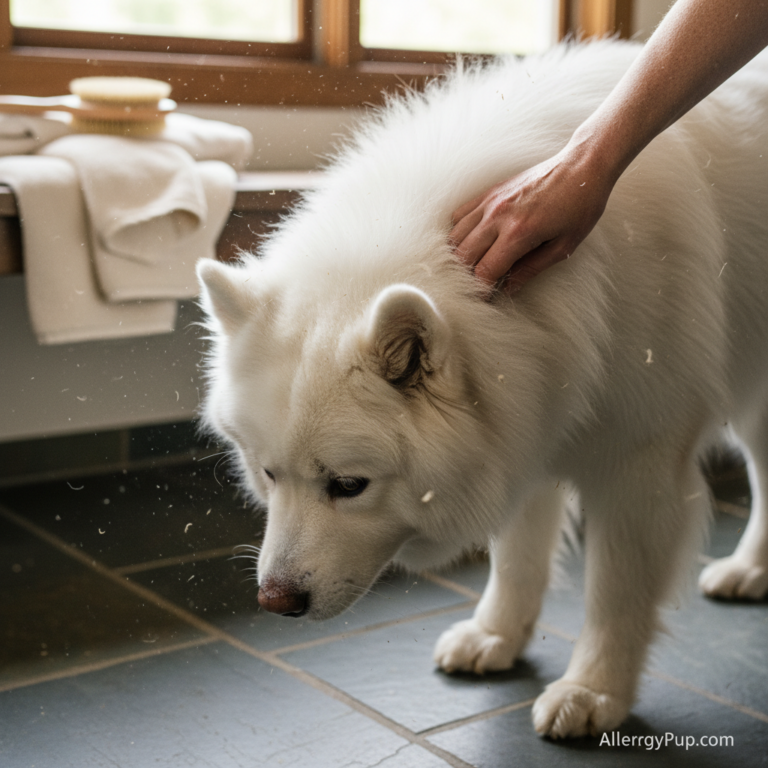
4. A Consistent Bathing Routine
Hypoallergenic, soothing shampoos physically remove allergens and calm the skin. It’s a simple step owners often forget in the chaos. Check these best dog shampoos for itchy skin to support your dog’s skin during flare-ups.
Finding Safe Foods: Other Protein Sources
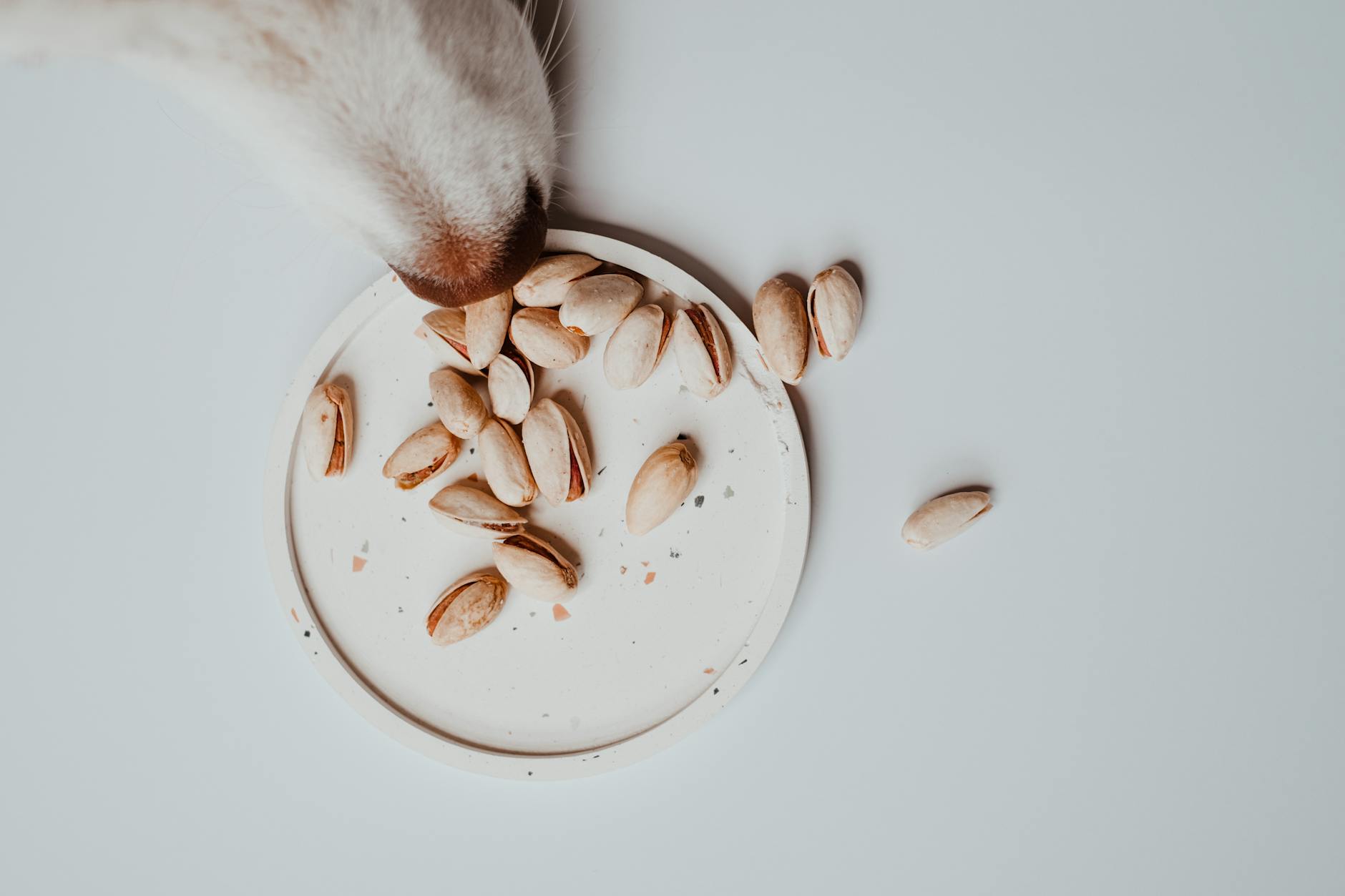
Switching to a safe diet is the cornerstone. The goal is to find a protein your dog’s system hasn’t learned to attack yet.
Novel Proteins Are Your Friend
Think outside the farm: kangaroo, alligator, rabbit. These less-common proteins lower the chance of a cross-reaction. Just make sure the diet is complete and balanced, meeting AAFCO standards.
The Grain-Free Distraction
Some owners fixate on grains. Truth is, the protein source is almost always the bigger issue. A grain-free diet might help if there’s a concurrent grain allergy, but swapping beef for chicken in a grain-free formula won’t solve a beef allergy. Simple as that.
Hydrolyzed Protein Diets
These use proteins broken down into tiny pieces, so the immune system doesn’t recognize them. Can be a lifesaver for dogs with multiple protein sensitivities, it’s a good option when you’re stuck.
Home-Cooked Meals
This route gives you total control. But—and this is a massive but—you must work with your vet or a veterinary nutritionist. An imbalanced homemade diet can cause severe nutritional gaps. It’s a serious commitment.
Managing This for the Long Haul
This isn’t a quick fix. Managing a beef allergy is an ongoing thing.
Stick With Regular Vet Check-ups
Routine visits let us monitor skin, catch secondary infections early, and adjust the plan. It’s indispensable.
Never Stop Supporting the Skin
Keep up with the skin-supportive supplements. Think about diets formulated for skin health long-term. A healthy skin barrier is your best defense, works every time — almost.
When Diet Alone Isn’t Cutting It
If strict dietary control still leaves them itchy, talk to your vet about immunotherapy. It’s a longer-term project to try and desensitize the immune system itself.
Bottom Line
Dog allergy to beef symptoms wreck your pet’s comfort. The path is clear, if not easy: a strict elimination diet, paranoid label reading, and a solid partnership with your vet. It’s a marathon, not a sprint. But getting it right means a more comfortable dog. And that’s the whole point.