Last Updated on March 20, 2026 by Arlena Whitford
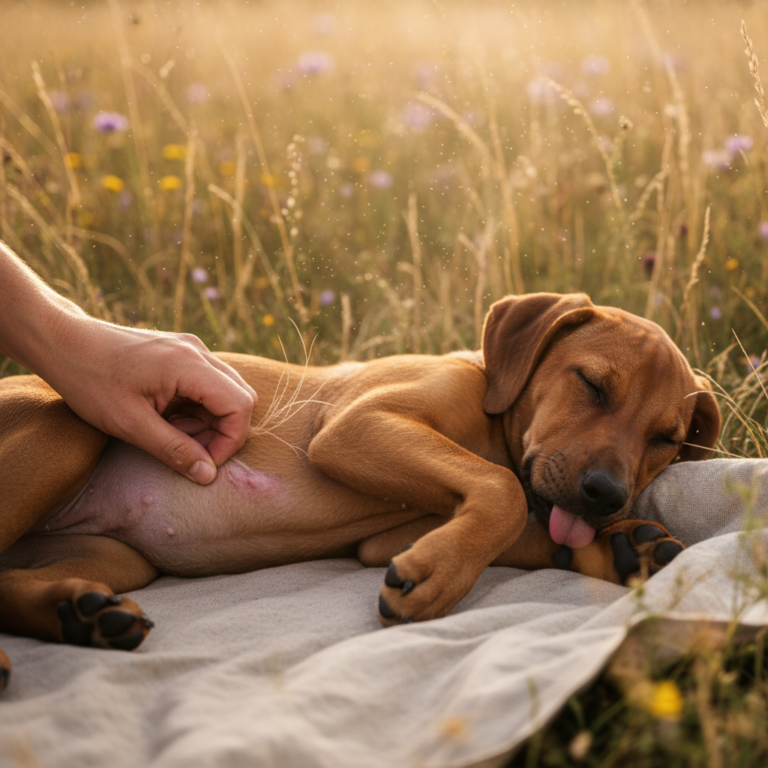
Dog allergy hair loss is a frustratingly routine problem in my clinic. Look, it’s that relentless, obsessive scratching that wears everyone down—the dog, the owner, me. You see the patches, the red skin, the sheer discomfort. And the cycle of missed diagnoses and ineffective treatments just makes it all feel hopeless. So let’s cut through the noise. Here are seven practical strategies from the trenches to actually identify triggers, calm the symptoms, and get that coat growing back.
At-a-Glance: What You’re Dealing With
Understanding Canine Allergies
Truth is, most owners come in after they’ve already tried three foods and a shampoo from the pet store. Management isn’t about one fix, it’s a grind. You’re integrating dietary tweaks and environmental changes into daily life, and the monitoring never really stops. Consistency is the only thing that gives you control, it’s tedious, sure, but it works.
What’s Actually Causing the Hair to Fall Out?
Dog allergy hair loss starts with a misfire. The immune system decides something harmless—like a bit of pollen or a specific protein in food—is a dire threat. This launches a histamine cascade, and the resulting inflammation absolutely wrecks the skin’s protective barrier. Basically, the skin environment becomes hostile. Hair follicles get smothered, cells die off too fast, and the hair falls out. And the dog’s frantic scratching? That just shreds what’s left, I’ve seen dogs create bald spots in 48 hours from pure trauma.
Spotting the Signs: It’s Never *Just* Hair Loss
Look, bald patches get your attention. But you need to see the whole picture. Watch for these clues:
- The Itch That Won’t Quit. This is the hallmark. It’s not a casual scratch. It’s obsessive, focused gnawing at paws, rubbing faces on carpets, relentless.
- Redness and Hot Spots. Inflamed skin often looks pink or red, and can quickly escalate into wet, painful lesions.
- A Funky Smell. A persistent musty odor usually signals a secondary yeast or bacterial infection camping out on damaged skin.
- Flakes, Crusts, and Grease. You might see dandruff-like scaling, or thicker crusty patches. The coat can feel greasy.
See that combination? That’s your signal to move past home guesses. Time to get a professional involved.
How We Figure Out What’s Wrong
Throwing random treatments at the wall is exhausting and expensive. An accurate diagnosis isn’t just helpful—it’s everything. Here’s what we consider, the order depends on your dog.
Intradermal Skin Testing: The Gold Standard

This is for environmental allergies. Tiny amounts of common allergens are injected just under the skin to see which ones cause a reaction. It’s precise. It lets us formulate targeted allergy shots (immunotherapy), which are, in my experience, the most effective long-term solution for many dogs. Client swears it’s food — elimination trial later and boom, dust mites were the trigger all along.
Serum Allergy Testing

A blood test that measures antibody levels. Truth be told, it’s not as precise as intradermal testing, but it’s non-invasive and can be a useful piece of the puzzle. A solid enough starting point if skin testing isn’t feasible.
The Elimination Diet Trial

This is the *only* way to diagnose a food allergy. And most people do it wrong. You need a novel protein or hydrolyzed diet prescribed by your vet—and *nothing* else for 8-12 weeks. No treats, no flavored medications, no crumbs. I’ve seen trials fail because someone gave a single beef-flavored heartworm pill. The discipline is brutal, but the answer is clinically massive.
Rule Out the Hitchhikers

A fecal exam and skin scrapings? Absolutely. Parasites like fleas or mites can cause identical signs. We have to rule them out first. It’s a basic step, but skipping it means you might spend months treating an allergy when the dog just has a stubborn-as-hell case of mites.
What You Can Do at Home to Help
Veterinary medicine is the cornerstone. But these supportive measures can provide real comfort while you work on the long-term plan.
1. Oatmeal Baths
Colloidal oatmeal is a classic anti-itch agent. It soothes inflamed skin like nothing else. Soak your dog in lukewarm water for a good 10-15 minutes. Just don’t overdo it—too-frequent baths can dry the skin out.
2. Coconut Oil Application
As a topical, it’s a decent moisturizer that can help repair the skin barrier. Massage a small amount into bald or dry patches. (Internally, the benefits are less clear, so I’d focus on fish oil for that).
3. Fish Oil Supplements
This is one of the most undervalued tools. The omega-3s (EPA/DHA) are powerfully anti-inflammatory. They won’t stop the allergy, but they can turn the inflammatory volume down a few notches. Ask your vet for a therapeutic dose—the amount in most store-bought supplements is too low to matter.
4. Pure Aloe Vera Gel
The fresh gel from the plant can cool hot, itchy spots. Make sure it’s *pure* aloe, without alcohol or additives that could sting.
5. Essential Fatty Acids (EFAs)
Think of these as the building blocks for healthy skin. They come from sources like fish oil, flaxseed, or specific supplements. A diet rich in EFAs supports the skin’s natural defenses, it’s not glamorous but it’s foundational.
6. A Soothing Herbal Rinse
Chamomile or calendula tea, cooled and used as a final rinse after a bath, can be gently calming for irritated skin. It’s a simple, chemical-free soother.
7. Consistent, Gentle Grooming
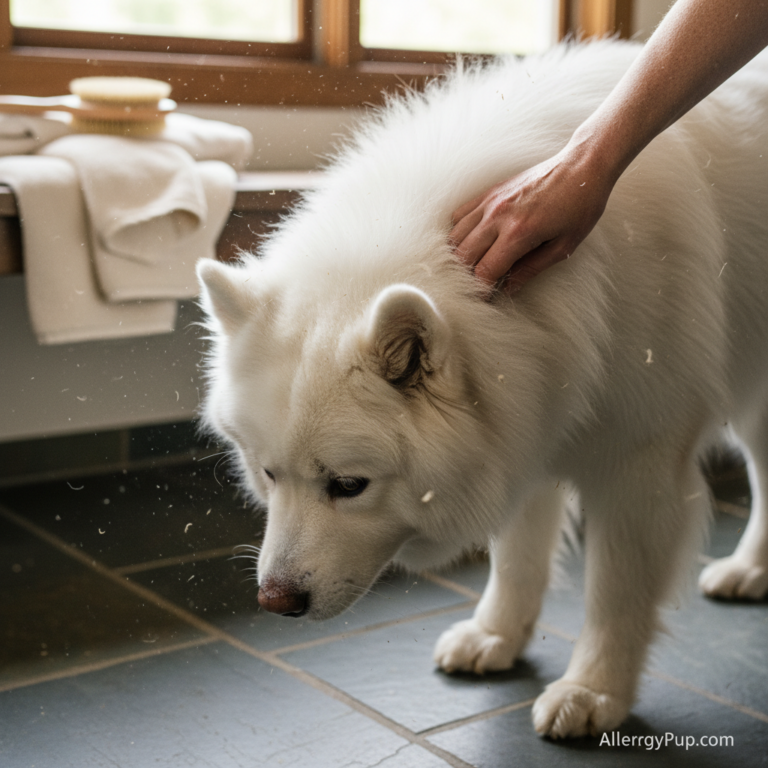
Regular brushing removes allergens trapped in the coat and stimulates the skin. It also forces you to check for new hot spots. Use a soft brush.
The Food Factor in Managing Allergies

Diet is never the whole story, but it can be a massive chapter. For suspected food allergies, a limited ingredient or hydrolyzed diet is the diagnostic tool. For environmental allergies, a skin-supportive diet is part of the management foundation. High-quality, bioavailable protein helps rebuild the skin from the inside. And always check that the food meets AAFCO guidelines for complete nutrition—you can’t manage an allergy if you create a nutritional deficiency along the way (and yeah, even the fancy boutique brands sometimes miss the mark).
This is a Marathon, Not a Sprint
Let’s be clear: you don’t *cure* most allergies. You manage them. That means regular vet check-ins to adjust medications, it means logging flare-ups to spot patterns. It’s a blend of medical intervention, environmental control, and nutritional support. The goal is a comfortable dog, not a perfect one.
Wrapping This Up
Dog allergy hair loss is a complex, stubborn puzzle. Home remedies offer temporary relief, but they’re a band-aid. Lasting success requires a targeted diagnosis and a layered, persistent management plan from your vet. Stay observant, stay patient. Partner with a professional who’s willing to dig deep with you.