Last Updated on April 16, 2026 by Arlena Whitford
Look, a dog skin rash is one of those frustratingly routine things I see every single day — affecting up to 20% of dogs, easy. You watch your pup scratch raw patches into their skin, and that feeling of helplessness builds. Truth is, relief is usually possible. Here are seven strategies I use to pinpoint causes and stop the cycle, so let’s get your dog comfortable.
At-a-Glance: Clinical Summary
Getting a Handle on Dog Skin Rashes
So, What’s Actually Causing This?

Dog skin rash doesn’t come from nowhere. From what I’ve seen in practice, the culprits typically fall into a few buckets.
- Allergic Reactions. Pollen, dust, mold. Food proteins like chicken or beef. These cause contact or atopic dermatitis. Breeds like Pitbulls seem almost designed to have skin problems, honestly. Client swears it’s environmental — elimination trial later and boom, beef was the trigger all along.
- Parasitic Infestations. Fleas, mites, the usual suspects. That “crunch” of flea dirt under your fingernail is a dead giveaway.
- Bacterial and Fungal Infections. These are usually secondary, they love compromised skin. You’ll see moist, red, frankly smelly patches.
Identifying a Rash on the Belly
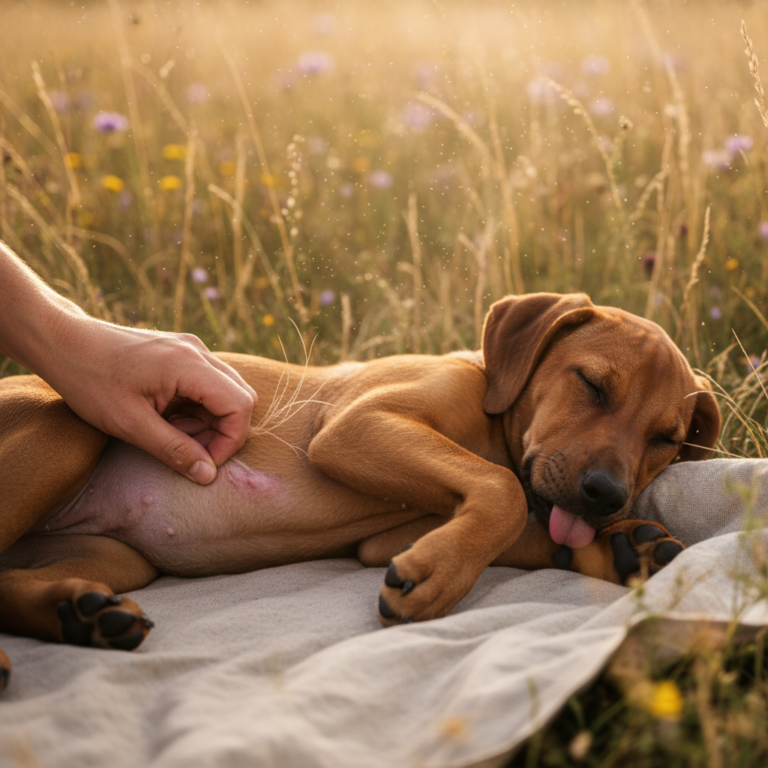
A dog skin rash on the belly is hard to miss if you look. The skin there is thin. Look for red spots, maybe patches, it might feel warm.
Check for texture changes — leathery or cracked skin. Watch for a musty discharge. And the behavior is telling: obsessive licking of the groin area, scooting, that sort of thing.
Observation Tip: The scratching pattern matters. Is it constant? Or just after walks? That detail changes my diagnostic path.
A Practical Guide to Treatment
1. Get Allergy Testing Done

Invest in the allergy testing test. Skin prick or serum testing through a dermatologist identifies specific allergens. It’s not cheap, but guesswork is more expensive in the long run. This step revolutionizes management for stubborn-as-hell cases.
2. Find the Right Medicated Shampoo
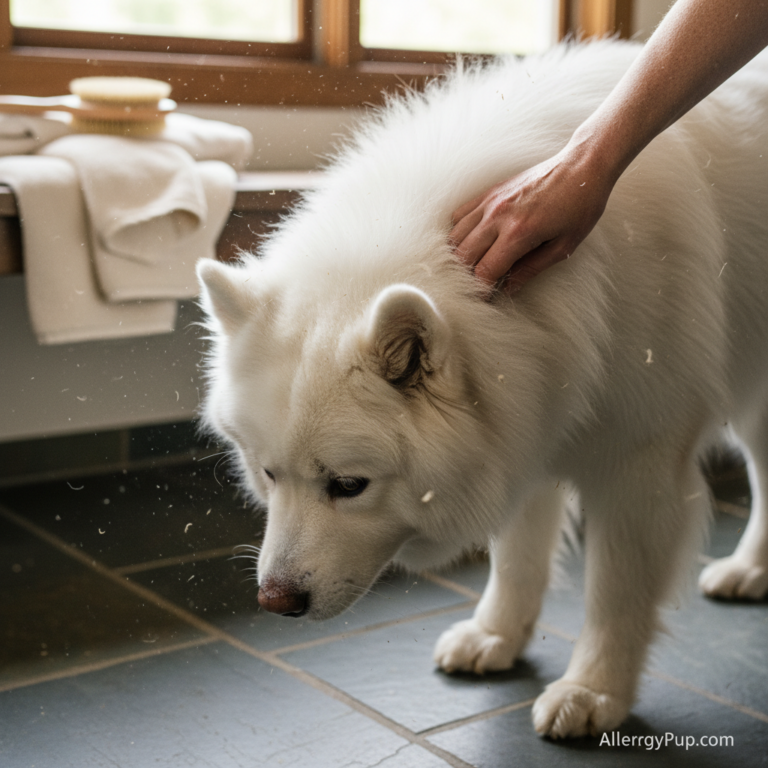
Not all shampoos are equal. You want a gentle, hypoallergenic base with active ingredients like chlorhexidine for bacteria or ketoconazole for yeast. The trick is contact time. Lather, leave it on for a good ten minutes, then rinse thoroughly. Residue just causes more irritation. Works every time — almost. For detailed recommendations, check our best dog shampoo for itchy skin.
3. Use Topical Steroids Judiciously
Topical corticosteroids reduce inflammation and itching fast, within hours sometimes. But here’s the kicker: you need a vet’s prescription. Over-the-counter strength is often useless for real inflammation, and overuse of potent steroids thins the skin. It’s a tool, not a cure.
4. Consider Systemic Meds for Severe Cases
For gnarly, full-body reactions, we go systemic. Oral corticosteroids or drugs like oclacitinib (Apoquel) can be life-changing. They’re serious medications, though. Regular blood work and check-ups are non-negotiable to monitor for side effects. We use them when the benefit outweighs the risk, simple as that. Really. Learn more about Apoquel dosage and long-term side effects.
5. Optimize the Diet, Seriously

Food trials are a pain, but they work. A novel protein (like kangaroo or venison) or hydrolyzed diet for 8-12 weeks can rule out food allergies. And it’s not just about protein. Omega fatty acid supplements are clinically undervalued for their anti-inflammatory effect. I’ve seen dogs itch for 18 months straight on ‘hypoallergenic’ grain-free — culprit was cross-contaminated lamb from the same factory line.
6. Lock Down Flea and Tick Prevention
This seems basic. You’d be shocked how many clients are inconsistent. Use an oral, topical, or collar preventative — and stick to the schedule. Flea allergy dermatitis is miserably itchy and a totally preventable cause of secondary dog skin rash.
7. Run a Humidifier in Dry Weather
Dry air strips moisture from your dog’s skin, wrecking it’s protective barrier. This is especially true in winter with indoor heating. A decent enough humidifier in the rooms your dog sleeps in helps maintain moisture. It’s a simple hack that maintains epithelial integrity.
Managing This Long-Term
Truth be told, skin issues often need ongoing vigilance. Recurrent problems usually signal an underlying, permanent sensitivity. Allergies don’t get cured, they get managed.
Regular vet visits are key. Switching foods or shampoos might help, but you need to track progress meticulously. I tell clients to take weekly photos. Our memory of what “better” looks like is fuzzy.
Final Note: If you’re spinning your wheels, ask for a referral to a board-certified veterinary dermatologist (ACVD). They live and breathe this stuff. Early, expert intervention changes outcomes.
FAQ Section
Anyway, that’s the framework. Identify the trigger, treat the symptoms, and protect the skin barrier. Consistent, observant care is what gets your furry friend back to comfort.