Last Updated on April 16, 2026 by Arlena Whitford
Itch relief for dogs is paramount. Look, if you’re here, you’ve probably watched the constant scratching, the red skin, the sleepless nights—for both of you. The latest diet didn’t work. That new shampoo didn’t stick. I see this exact frustration every single day in my clinic. Over half of all dogs deal with some skin condition, and the discomfort is stubborn-as-hell. This isn’t about a quick fix. It’s about finding the root cause. These seven steps are what I walk through with my own clients, and it’s the only way to get real, lasting comfort.
Dog owners often want the specifics on allergies or health topics, trying to understand their pet’s mess. Management protocols, like diet changes or topical stuff, get folded into daily life to calm things down. And you have to watch the symptoms like a hawk, it’s standard practice for managing these sensitivities. Simple as that. Really.
At-a-Glance: Clinical Summary
Getting to the Root of It
Figuring out why your dog is itchy isn’t just step one—it’s the whole game. Allergies can come from food, from the world outside, or from something as simple as a single flea bite. But here’s the thing: guessing is a waste of time and money. A veterinary dermatologist (look for a diplomate of the ACVD) can run intradermal skin tests or specific blood tests to pinpoint the actual allergens. Truth be told, an accurate diagnosis is the only path to a targeted, effective management plan. I’ve had clients come in after six months of random diet changes, still itching. Nine times out of ten, we weren’t even treating the right problem. Client swears it’s environmental — elimination trial later and boom, beef was the trigger all along.
When You Need Medical Backup
For acute, gnarly flare-ups, we have medical tools. Antihistamines like diphenhydramine can block histamine responses and offer some relief. Corticosteroids are potent anti-inflammatories. They work, and sometimes they’re necessary, but they are not a long-term solution. The side effects with chronic use—increased thirst, weight gain, potential immune suppression—are significant. So, always, always consult your vet before starting any medication. They’ll weigh the pros and cons for your specific dog.
The Food Factor

Diet is a major player. But it’s not about the latest trendy ingredient. It’s about identifying a true food allergy through a strict, vet-supervised elimination diet. This means feeding a novel protein or hydrolyzed diet for 8-12 weeks—and nothing else. No treats, no flavored medications, no scraps. Be wary of the usual suspects: beef, chicken, dairy, and wheat. Partner with your vet to create this custom plan. It’s a hassle, but it’s the only way to know for sure. I’ve seen dogs itch for 18 months straight on ‘hypoallergenic’ grain-free — culprit was cross-contaminated lamb from the same factory line. For more insight, check 5 expert-verified tips on dog allergy to lamb relief.
Topical Treatments for Immediate Relief
When the itch is driving them crazy, you need something now. Topical treatments are your friend. Medicated shampoos with ingredients like oatmeal, aloe, or chlorhexidine can cleanse and soothe the skin. Anti-inflammatory sprays can calm a specific hot spot fast. A regular bathing schedule, say every 1-2 weeks with a prescribed product, can dramatically reduce scaling and discomfort. Just don’t overdo it and dry out their skin. For detailed guidance, see 7 expert-verified tips on what dog shampoo is best for dogs with itchy skin.
A Note on Bathing Technique
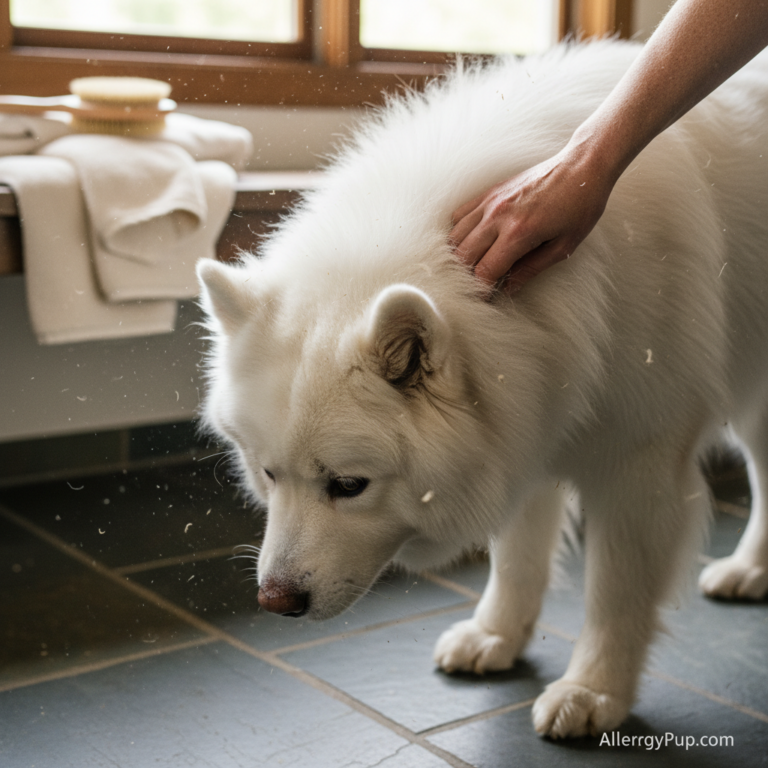
It’s not just the shampoo. Lather well, let it sit on the skin for a good 10 minutes so the active ingredients can work, then rinse thoroughly. Any residue can cause more irritation. Works every time — almost.
Your Dog’s Environment Matters

The home environment is clinically undervalued in allergy management. Regular vacuuming (with a HEPA filter), washing bedding in hot water weekly, and wiping your dog’s paws and coat after being outside can minimize exposure to environmental allergens like pollen or dust mites. Consider an air purifier for the main living area. It sounds simple, but these steps reduce the overall allergen load your dog has to fight against. Basically, you’re giving their immune system a break.
Supplements for Skin Support
Beyond a solid diet, certain nutritional supplements can enhance skin health from the inside out. Omega-3 fatty acids (from fish oil) are the standout—they promote a healthier coat and have natural anti-inflammatory properties. Not all supplements are created equal, though. Consult your vet to choose a high-quality, appropriate product and to ensure it doesn’t interfere with anything else in your dog’s regimen.
The Non-Negotiable: Regular Vet Visits
Ongoing monitoring is critical. Schedule regular check-ups, not just when a flare-up is out of control. Your veterinarian needs to assess skin health, note progress, and adjust protocols. Allergies can change over time. What worked last year might need tweaking now. These periodic evaluations are what ensure ongoing itch relief. It’s a partnership.
Frequently Asked Questions
Expert Summary
Long-term itch management is multifaceted and frankly, a bit of a grind. It requires identifying the cause, using medical and topical tools strategically, optimizing nutrition and environment, and committing to regular veterinary care. There’s no single magic bullet. But understanding these layers is how you get your dog comfortable again. That’s the goal.