Last Updated on April 30, 2026 by Arlena Whitford
Allergic to puppy symptoms — they can escalate fast, faster than most owners expect. Nearly 15% of dog owners report their pets have allergy issues. The itching doesn’t stop. Vet visits pile up. And that food you switched to last month? Same ingredients, different bag. Here’s how to accurately spot the trigger, run an elimination diet that actually works, and support your puppy’s immune system using protocols board-certified veterinary dermatologists actually use.
Understanding the reasons behind canine allergies prompts owners to seek reliable information on specific symptoms and management strategies. Management protocols typically become part of the daily routine, ensuring that pets receive consistent care. Regular monitoring of symptoms becomes essential to effectively manage canine sensitivities, allowing for adjustments to treatment as necessary.
At-a-Glance: Clinical Summary
What Signs Tell Me My Puppy is Allergic?

Allergic to puppy symptoms show up in a bunch of different, ugly ways. Basically, look for these:
Skin Irritation and Itching
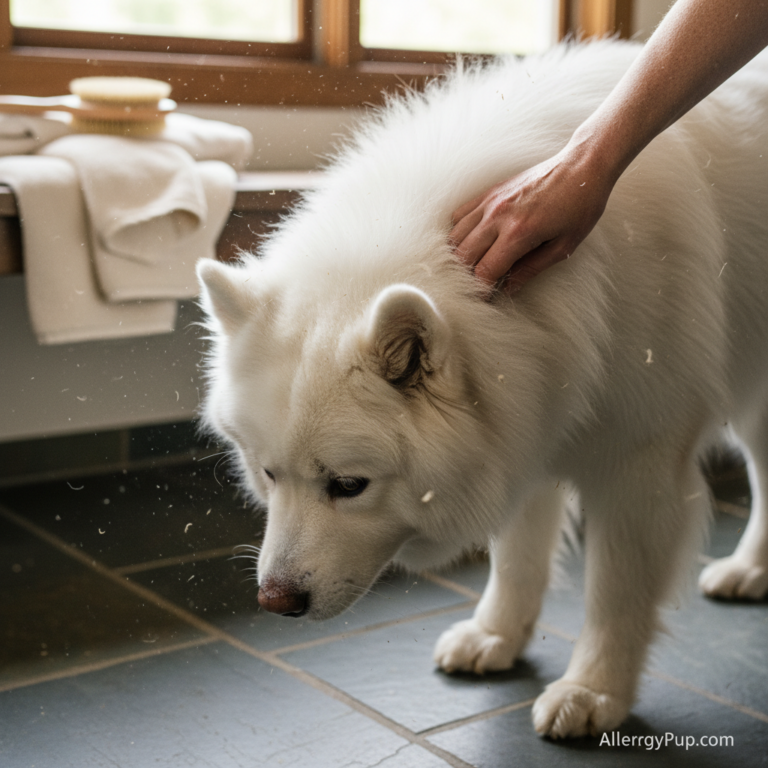
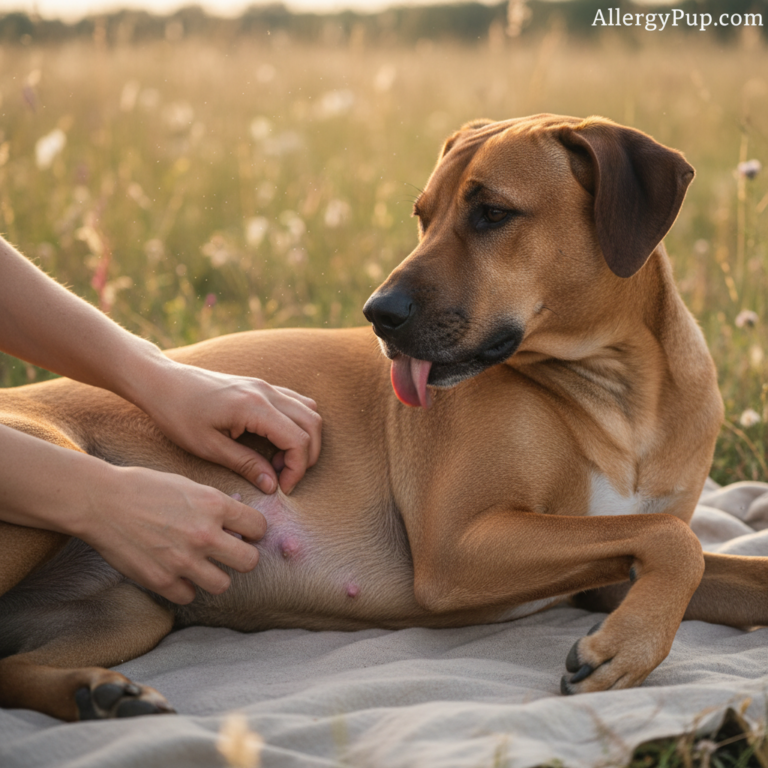
Itching is usually the first big red flag. You’ll see your puppy scratching obsessively — sometimes till they bleed. The behavior leaves behind redness, hair loss, and even skin infections. From what I’ve seen, that itchiness escalates fast, creating a “leathery” feel on the skin if it’s chronic.
Runny Eyes and Nasal Discharge
Watch for watery eyes or a runny nose. Usually points to environmental allergens like pollen or dust mites. The discharge can be clear, sometimes a bit yellowish — just the body fighting off the allergen. Simple enough.
Digestive Issues
Puppy allergic to chicken symptoms can include serious gastrointestinal distress. You’ll see vomiting, diarrhea, changes in appetite. This can lead to nutrient deficiencies if not caught early. (I’ve had one owner whose pup went through four months of “sensitive stomach” diets before realizing chicken was the culprit — that’s four months of loose stools and sad walks.)
Differentiating Food and Environmental Allergies
Elimination Diets for Food Allergies

Start a food elimination trial. Sound clinical approach: remove suspected proteins, go for a novel protein diet like rabbit or kangaroo. Observe for 10 to 12 weeks. If symptoms drop away, you’ve practically found the culprit nine times out of ten.
Another route — consider allergen-specific serum testing but realize its limitations. Can identify triggers linked to seasonal shifts. Gives you clarity on what you’re managing. Also tests are less reliable for food allergies because the body processes those differently.
My Puppy is Allergic to Chicken Works What Then?
Talk to Your Vet First
Puppy allergic to chicken symptoms seriously impact quality of life. Consult your veterinarian for tailored dietary advice — they recommend alternative protein sources, commercial diets without chicken. Please don’t Go It Alone.
Limited-Ingredient Diets Help
Limited-ingredient diets reduce the antigenic load substantially. Allows the immune system a chance to kinda recalibrate. Look for novel protein sources like lamb, duck, or venison — they’re less likely to flare up reactions. Some manufacturers also incorporate hydrolyzed proteins that resist causing allergies. For further detail, see 5 Expert-Verified Insights on Dog Allergic to Chicken Symptoms.
Recovery Steps
Support Immune System

Strengthen your puppy’s immune system to help curb allergy nastiness. Omega-3 fatty acids from fish oil — they have anti-inflammatory benefits that often reduce skin irritation. I usually start dogs on therapeutic levels within a month.
Keep Those Veterinary Check-ups
Regular vet visits ensure your puppy doesn’t develop secondary infections like bacterial dermatitis or yeast issues. Following prescribed protocols — including topical therapy — aids healing. Basically track their condition at multiple points since it changes.
Diagnostic Nuances in Allergies
Pros and Cons of Skin Testing
Skin testing can help immensely. BUT — requires a skilled dermatologist to read results properly. From seeing past dogs fail multiple types of management, misdiagnosis happens more than it should. Leads to unnecessary dietary alteration or even allergen worsening.
Intradermal Testing Details
Intradermal testing gives carefully detailed data around environmental triggers. Big Catch: the skin must be completely non-inflamed during testing which is very impossible especially on puppies historically scratching themselves. That makes seasonal allergy test timing make or break.
Long-Term Management Strategies for Practically Better Days
In real time you track daily logs — temperature. Skin behavior shoddy. Bad flare incidents environmental flash flood the house after pollen dropping. Not heroics, help discovery’s pattern build.
Strengthen Home Environment
A clean environment is totally underappreciated. Vacuum twice a week, scrub soft textiles that stack fur during shedding month. Dust daily indoors change bedding between parasite season. Also pretty crucial is tackling pest load: A good flea combo product cut allergy attack half. IT. Works.
Expert Response management by Hardworking team summary
Once raw diagnosis drawn up? Managementally blending vet-based help: rethinking plate combination whole into personalized pest control inside house improves the life quality purely twofold given an basic condition.