Last Updated on April 28, 2026 by Arlena Whitford
Seeing skin irritation on a young dog can be scary for any pet owner. Mange in puppies is a common skin problem. It’s caused by tiny mites that live in the skin. If not treated, it can spread fast, causing a lot of pain and infections.
Rapid intervention is key to keeping your pet healthy and comfortable. Spotting signs early can stop the problem before it gets worse. Catching it early means your dog can get better faster.
You might see symptoms at home, but getting a vet’s opinion is important. A vet must confirm the diagnosis to give the right treatment. To fix mange in puppies, you need a vet’s help and regular care at home to heal their skin.
Key Takeaways
- Mange is a skin condition caused by tiny mites.
- Early detection prevents the spread of the infestation.
- Professional diagnosis is necessary for effective treatment.
- Rapid action improves the speed of recovery.
- Veterinary guidance ensures the safety of your pet.
Understanding the Different Types of Mange in Puppies
When a puppy starts losing hair or scratching a lot, it’s time to find out why. Mange is a term for skin diseases caused by mites. But, not all cases are the same. Proper identification is key to treating it right.
Distinguishing Between Sarcoptic and Demodectic Mange
The two main types are sarcoptic and demodectic mange. Sarcoptic mange in puppies, or scabies, is very contagious. These mites dig into the skin, causing a lot of itching and discomfort. This can quickly spread to other pets and even people.
Demodex mange in puppies is not as contagious. These mites usually live on healthy dogs in small numbers. The problem starts when a puppy’s immune system can’t control the mite population.
Why Early Identification Matters for Puppy Health
Spotting the right type of infestation early is critical for effective management. Sarcoptic mange in puppies is a big risk to everyone in the house. Quick action and vet care are needed to stop it from spreading. Ignoring these signs can cause serious infections and a lot of suffering for the puppy.
“Early diagnosis is the most powerful tool a veterinarian has to ensure a puppy returns to a healthy, comfortable life without unnecessary complications.”
While demodex mange in puppies is less urgent for spreading, it also needs vet care. Owners should never try to diagnose these conditions themselves. Getting expert advice is important. It makes sure the puppy gets the right treatment and stays healthy.
Recognizing Common Mange in Puppies Symptoms
Spotting early signs of skin problems is key to keeping your pet healthy. If your pet seems off, check them closely. Catching mange in puppies early can help them heal faster and avoid getting worse.
Physical Signs of Skin Irritation and Hair Loss
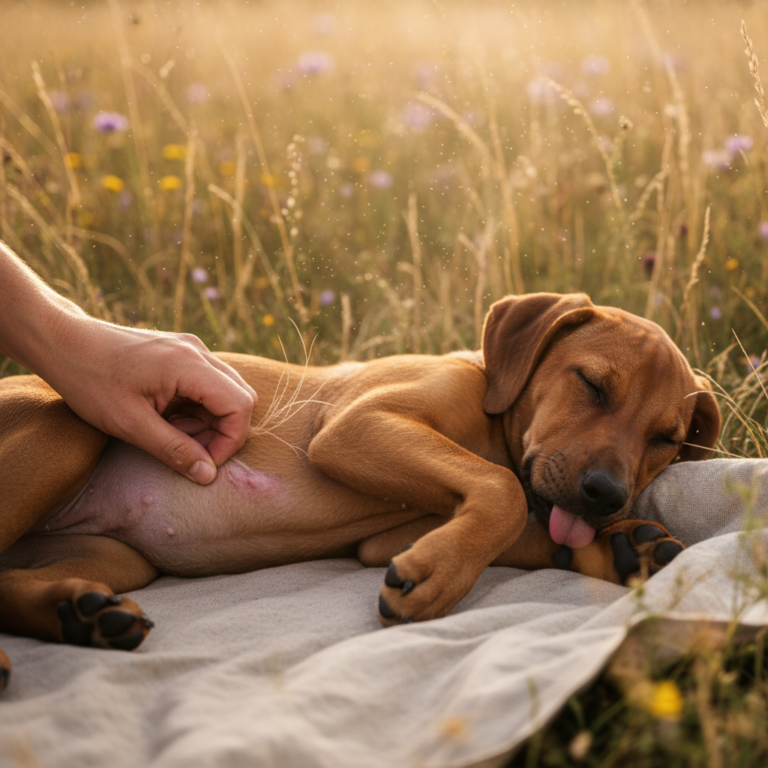
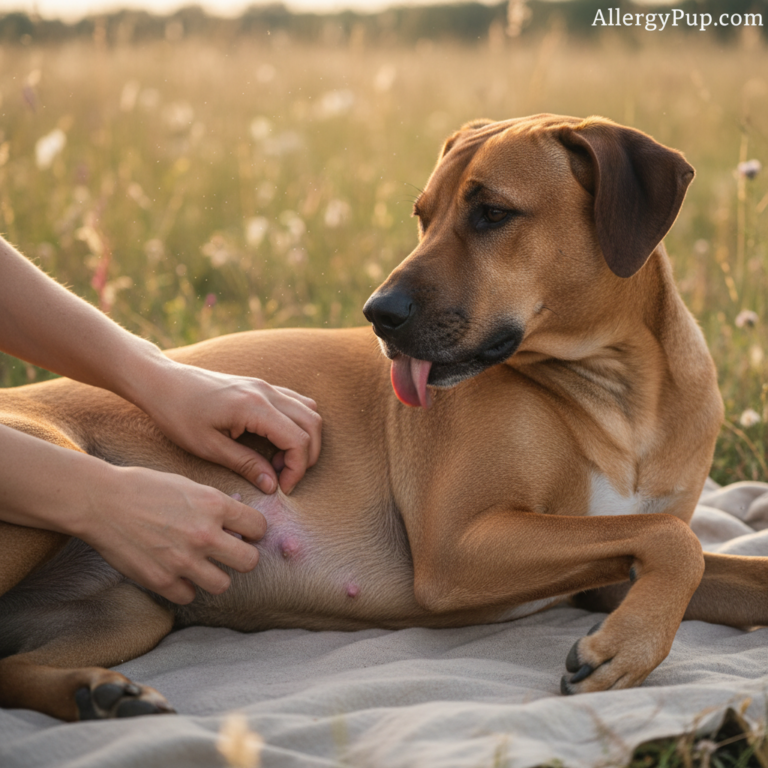
First, you might see red spots or thin fur in certain areas. These spots can grow into crusting, scaling, or thickened skin that feels rough. These signs often start around the eyes, muzzle, or front legs.
If not treated, the hair loss can spread, causing more pain. Watching for these signs is vital to spotting mange in puppies symptoms early.
Behavioral Changes and Excessive Scratching
Behavioral changes are also important signs. Intense itching makes puppies scratch and rub a lot. This can lead to restlessness, making it hard for them to sleep or relax.
Uncontrolled itching can cause more harm, like open sores or infections. These can make healing harder. Below is a table showing the main differences in skin reactions in affected puppies.
| Symptom Type | Early Stage | Advanced Stage |
|---|---|---|
| Skin Texture | Mild Redness | Thickened, Crusty |
| Hair Condition | Patchy Thinning | Significant Baldness |
| Behavior | Occasional Scratching | Constant Restlessness |
| Lesion Spread | Localized Areas | Generalized Coverage |
The Diagnostic Process at the Veterinary Clinic

Finding the right diagnosis for a puppy’s skin issues takes a careful step-by-step approach. A vet must do a thorough check-up to find the main cause. Even though owners might see mange in puppies symptoms at home, only a vet can say for sure what kind of mite it is.
How Skin Scrapings Confirm the Presence of Mites
The best way to find mites is through skin scrapings. A vet uses a clean blade to take a sample from the affected skin. This method gets skin cells and debris where mites live.
The sample is then looked at under a microscope. Seeing the mites or their eggs or larvae is key. This clear proof helps the vet create the right treatment plan.
“Accurate diagnosis is the cornerstone of effective veterinary medicine, transforming guesswork into a targeted healing strategy.”
Differentiating Mange from Other Skin Conditions
Many skin problems can look like mites. Vets must be sure it’s mange and not something else like a bacterial infection or an allergy. Getting it wrong can mean the treatment won’t work and the puppy will suffer longer.
By checking out other possible causes, the vet makes sure the puppy gets the right medicine. Even though some mange in puppies symptoms might look like simple skin problems, looking closely under a microscope is key. This careful step helps avoid using strong medicines that might not fix the real problem.
Step-by-Step Guide to Treating Sarcoptic Mange in Puppies

Effective mange in puppies treatment needs both medicine and clean home habits. When mites are found, quick action is key to stop the spread and ease the puppy’s pain. Owners must stay careful throughout the recovery to help their pet fully heal.
Administering Prescribed Topical and Oral Medications
Vets give specific treatments to kill the mites causing sarcoptic mange in puppies. It’s important to follow the treatment plan exactly. Skipping doses or stopping too soon can let mites come back, making symptoms worse.
Topical treatments, like dips or spot-on medicines, go deep into the skin. Oral meds target mites inside the body. Watch for any bad reactions and tell the vet right away.
Managing Environmental Contamination and Bedding
It’s not just about treating the puppy. The environment also needs cleaning to stop mites from coming back. Mites can live outside the puppy for a bit, mainly on soft things. Deep cleaning is a key part of treating mange in puppies.
Wash all bedding, blankets, and toys in hot water with strong detergent. If something can’t be cleaned well, it’s best to throw it away. Vacuuming carpets and furniture often helps get rid of mites in the house.
| Action Item | Frequency | Purpose |
|---|---|---|
| Medication Dosing | Daily/Weekly | Eradicate active mites |
| Bedding Wash | Every 2-3 days | Prevent re-infestation |
| Surface Vacuuming | Daily | Remove environmental debris |
| Vet Follow-up | As scheduled | Verify mite elimination |
Addressing Demodex Mange in Puppies Effectively

Demodex mange in puppies is linked to their internal health and immune status. These mites are common on most dogs’ skin but cause problems when the immune system fails. Knowing this is key to managing the condition.
Localized Versus Generalized Demodicosis
Vets divide demodicosis into two types based on hair loss and skin irritation. Localized demodicosis shows up as small hair loss patches, often on the face or legs. It’s common in growing puppies and often gets better as they grow up.
Generalized demodicosis is more serious, covering bigger areas. It needs a stronger mange in puppies treatment plan. Look for spreading lesions that don’t get better in a few weeks.
| Feature | Localized | Generalized |
|---|---|---|
| Affected Area | Small, isolated spots | Large, widespread patches |
| Recovery | Often self-resolving | Requires medical intervention |
| Immune Status | Developing/Immature | Compromised/Weakened |
Monitoring Immune System Health During Recovery
Supporting your puppy’s overall health is as important as topical treatments. Good nutrition and less stress help the body heal. Regular vet visits keep the recovery on track.
“The key to managing Demodex is patience and supporting the host’s natural defenses, as the immune system is the ultimate healer in these cases.”
Effective mange in puppies treatment combines medicines and lifestyle changes. Watch your puppy’s energy and skin closely. Always talk to your vet to make a treatment plan that fits your puppy’s needs.
Managing Red Mange in Puppies and Secondary Infections

Secondary bacterial infections often make it harder for puppies with red mange in puppies to get better. The mites themselves are painful, but they also weaken the skin. This makes it easier for bacteria to grow, making the condition worse.
Identifying Signs of Bacterial Skin Infections
Keep a close eye on your puppy for signs of infection. Look for pus or yellow discharge, which means the skin is fighting more than just mites. These are big warning signs.
A bad smell from the skin is another sign. If the skin gets worse or feels hot and swollen, see a vet. Catching these problems early is key to stopping them from getting worse.
The Role of Antibiotics and Medicated Shampoos
Vets use a mix of treatments to fight infections and mites. Antibiotics are given to kill bacteria inside the body. They help reduce swelling and speed up healing.
Medicated shampoos are also important. They clean the skin and help it heal. Using these shampoos regularly keeps the skin clean and helps it recover faster.
Home Care Strategies to Support Healing
Creating a supportive home environment is key for mange in puppies treatment. Veterinary medicine fights the mites, but daily care from the owner is vital. A calm, clean space helps the puppy heal its skin.
Nutritional Support for Skin Regeneration
Good nutrition is essential for skin health and immune function. Puppies need high-quality proteins and essential fatty acids to heal. Omega-3 and Omega-6 fatty acids help reduce inflammation and keep the skin healthy.
Consult your vet for the best diet for your puppy. Balanced meals give them the nutrients to recover from mange. Supplements can also help during this time.
“Nutrition is the silent partner in every healing journey; when the body is fueled correctly, the skin’s natural ability to repair itself is significantly enhanced.”
Maintaining Hygiene and Reducing Stress
Keeping the environment clean is vital to prevent re-infestation and infections. Wash bedding, blankets, and toys in hot water to kill mites or eggs. A dry, clean living area helps the puppy rest without irritation.
Reducing stress is also key for a quick recovery. A quiet, predictable routine makes the puppy feel secure. This supports a stronger immune response and helps the treatment plan succeed.
| Care Category | Action Item | Benefit |
|---|---|---|
| Nutrition | High-protein diet | Accelerates tissue repair |
| Hygiene | Weekly hot washes | Removes environmental mites |
| Environment | Quiet, calm space | Lowers cortisol levels |
| Grooming | Gentle brushing | Improves circulation |
Safety Precautions During the Treatment Period
When a pet is recovering, it’s important to follow safety rules to protect everyone at home. Sarcoptic mange in puppies can spread to other animals or people if we’re not careful. Having a plan to prevent this helps keep everyone safe while the puppy gets better.
Preventing Transmission to Other Pets and Humans
To stop mites from spreading, strict isolation is key. Put the puppy in a clean, easy-to-clean area. Make sure they don’t share beds, toys, or grooming tools with other pets.
It’s also important for owners to stay clean after touching their puppy. Wash your hands well with soap and warm water right away. Here are some steps to keep your home safe:
- Wash all bedding and blankets in hot water weekly.
- Vacuum carpets and furniture often to get rid of mites and hair.
- Keep the infected puppy away from other pets until a vet says it’s safe.
When to Seek Emergency Veterinary Care
Most cases of sarcoptic mange in puppies get better with treatment. But, some cases need quick vet help. Call your vet if the puppy’s condition gets worse, even with treatment.
Look out for signs of bad bacterial infections, like bad smells, oozing sores, or big swelling. If the puppy has a severe allergic reaction to medicine, like trouble breathing or swelling, go to the emergency vet right away. Keep a close eye on your pet to catch any serious problems early.
Long-Term Prevention and Skin Maintenance
Keeping your dog’s skin healthy is a long-term job. After the first treatment, you must stay alert to prevent skin problems from coming back. Regular care is a vital shield against future discomfort for your pet.
Routine Parasite Control and Preventative Measures
Regular vet visits are key to managing your dog’s skin. These visits help catch demodex mange in puppies early. Vets often suggest using parasite prevention all year to keep pests away.
Keeping your puppy’s environment clean is also important. Wash their bedding, toys, and grooming tools in hot water often. A clean living space reduces allergens and parasites that can cause skin problems.
“An ounce of prevention is worth a pound of cure, when it comes to a puppy’s skin.”
Building a Strong Immune System Through Wellness
A strong immune system fights off red mange in puppies and other skin issues. Feed your dog high-quality, nutrient-rich food. Omega-3 fatty acids help keep the skin healthy and reduce inflammation.
Managing stress is also key for a healthy immune system. Puppies do well with a routine, regular exercise, and mental stimulation. Focus on these areas to support their long-term health:
- Balanced Nutrition: Talk to your vet about diets that support healthy skin.
- Stress Reduction: Keep your environment calm to avoid anxiety.
- Regular Grooming: Brush your dog often to check for early signs of problems.
By focusing on these wellness habits, you can greatly reduce the chance of skin problems coming back. A happy, healthy puppy is the best reward for your long-term care efforts.
Conclusion
Keeping a young dog safe from skin parasites is key. Getting help from a vet is the first step. They help find out what kind of mite is causing the problem.
Dealing with red mange in puppies means sticking to the treatment plan. It’s important for owners to keep things clean and watch the dog’s skin every day. This helps prevent more problems and helps the skin heal.
Getting better takes time, but it’s worth it for a happy, healthy pet. Catching red mange early means your puppy can get back to playing sooner. If you notice any issues, see your vet right away. This way, your dog can live a long, happy life in a safe, loving home.