
Last Updated on April 23, 2026 by Arlena Whitford
A rash on dogs tummy is probably the #1 thing owners call me about — over half of all dogs will deal with some skin rash in their lifetime. The relentless itching, redness, and discomfort can leave both dogs and owners feeling frustrated and helpless. I’ve seen people treat symptoms for months without ever figuring out the real cause.
Look, most dog owners search for this topic to try and understand what allergy is driving their pet crazy. These management protocols get tossed into daily routines — establishing strategies for symptom monitoring and treatment — but here’s the kicker: consistency matters more than the flashiest food or shampoo. Straight up. It’s boring. It works.
Here’s how to actually identify what’s driving that rash, pick treatment options that are worth the hassle, and get lasting relief — using protocols veterinarians actually trust.
At-a-Glance: Clinical Summary
Identifying Causes of Rash on Dogs’ Tummy
What Are Common Triggers for an Itchy Rash on Dogs’ Tummy?

An itchy rash on dogs’ tummy can be triggered by a bunch of things. Usually it breaks down into:
- Allergies: Food allergies, environmental allergens (like pollen), or contact allergies (like carpet fresheners or synthetic beds).
- Parasitic Infections: Fleas, ticks, and mites. Mites are the sneaky ones.
- Skin Infections: Bacterial or yeast infections can show up as raised, red rashes. Sometimes they smell — that’s a dead giveaway for yeast.
Figuring out which it is? That takes honest history, a decent physical exam, and frequently lab work. Because here’s the thing: you can guess wrong and waste months on the wrong treatment.
How to Spot an Itchy Red Rash on Your Dog’s Belly
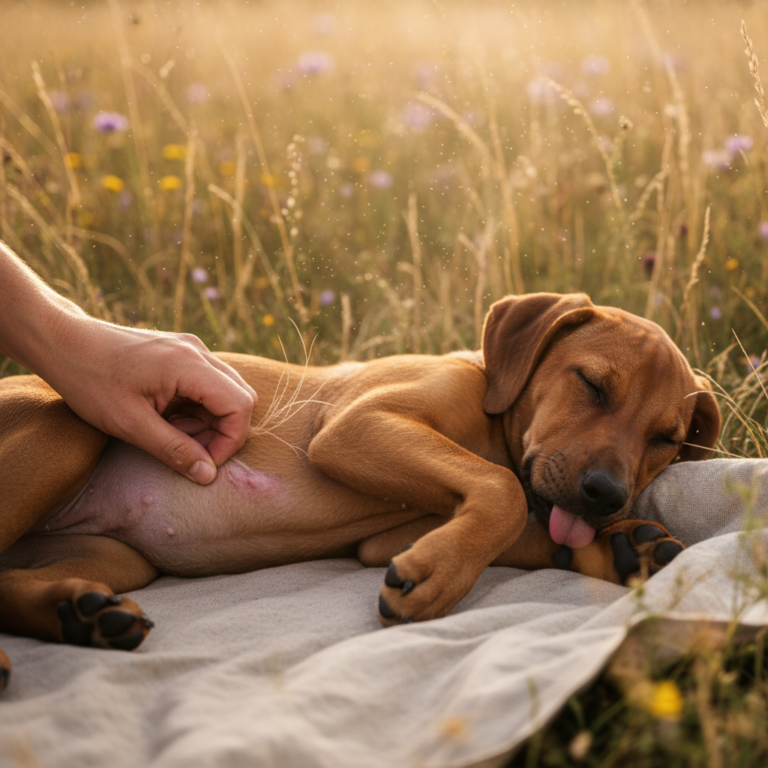
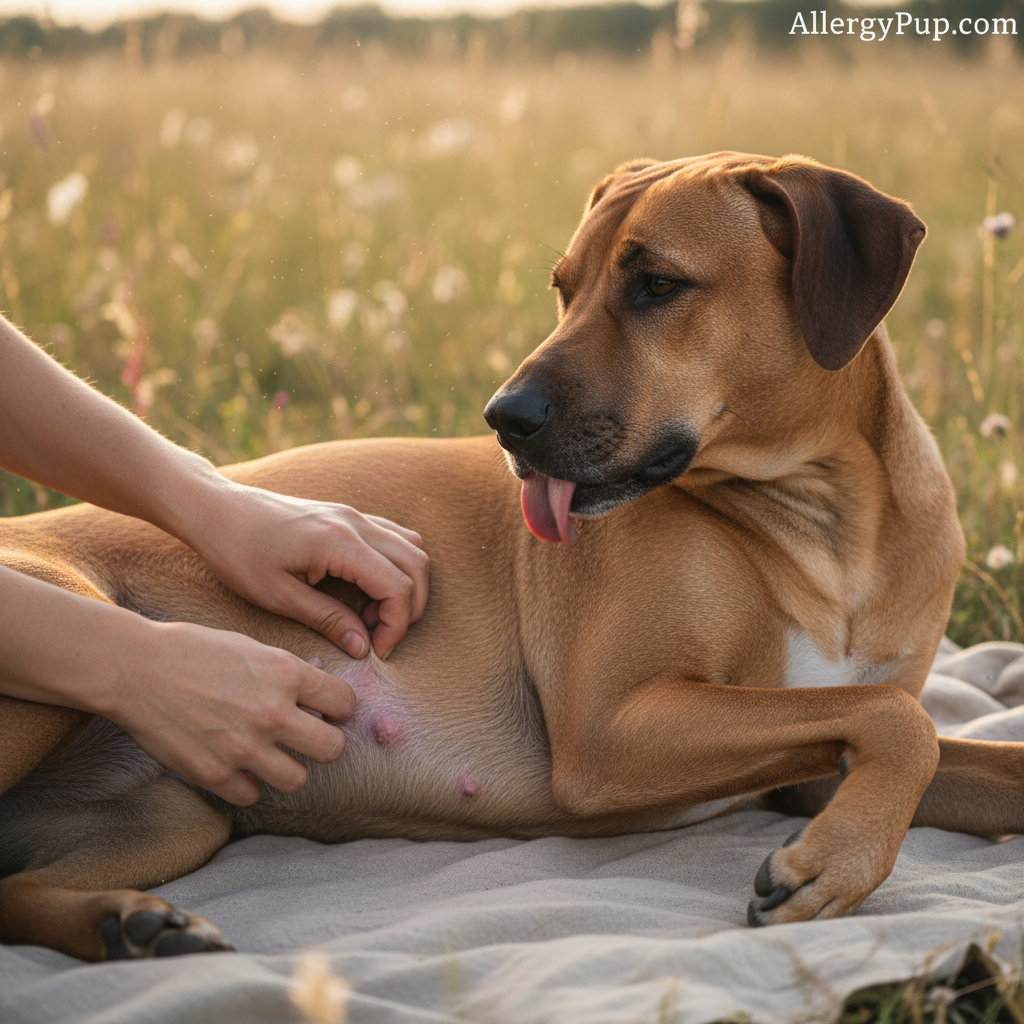
Know what you’re looking at. Owners should check for:
- Distribution: One spot or everywhere?
- Texture: Scabbing, flaking, or oozing — they each point in different directions.
- Color: Redness says inflammation, but pale spots can mean scarring or pigment shifts.
Write it down. Photograph it. I’m serious — the timeline is what cracks the case half the time.
Diagnostic Approaches to Pimple-Like Rash on Dog’s Belly
What Diagnostic Tests Are Essential?

So you’re dealing with a pimple-like rash on your dog’s belly. Before you panic about allergies, get these done:
- Skin Scrapes: Checks for mites. Painless, fast, underappreciated test.
- Cytology: Puts bacteria, yeast, and inflammatory cells under the scope. You’d be shocked how often it changes the plan.
- Allergy Testing: Blood tests or intra-dermal skin tests for environmental triggers. For details on costs, consider our guide on allergy tests for dogs.
Owners who know what tests to ask for tend to get answers faster. That’s just the reality.
What Treatment Options Are Available for Raised Red Rashes on the Belly?
Treatment for raised red rashes usually starts with:
- Topical corticosteroids: They take the edge off inflammation.
- Antihistamines: Help with allergic reactions but aren’t magic.
- Antibiotics or antifungal meds: Honest here — I see more failed treatments from folks stopping these too early than from the medications themselves.
Be upfront with your vet about everything your dog has eaten, sniffed, or rolled in. The more you hold back, the longer this drags on.
Additional Management Strategies for Rash on Dogs’ Tummy
How Can You Alter Your Pet’s Diet for Better Skin Health?

Diet matters. So do treats and chews and table scraps. Look for:
- Omega fatty acids: Support skin barrier repair, help reduce inflammation long-term. You can learn more about the right amount in our article on how much omega 3 for dogs with allergies.
- Limited ingredient diets: Help rule out problem proteins.
- Hydration: Fresh water always — dehydration dries skin and makes everything worse.
A decent enough diet won’t fix a raging infection, but it can keep recurrence at bay.
What Environmental Changes Can Help?
For dogs with environmental allergies, you’ve got to clean up their world a bit:
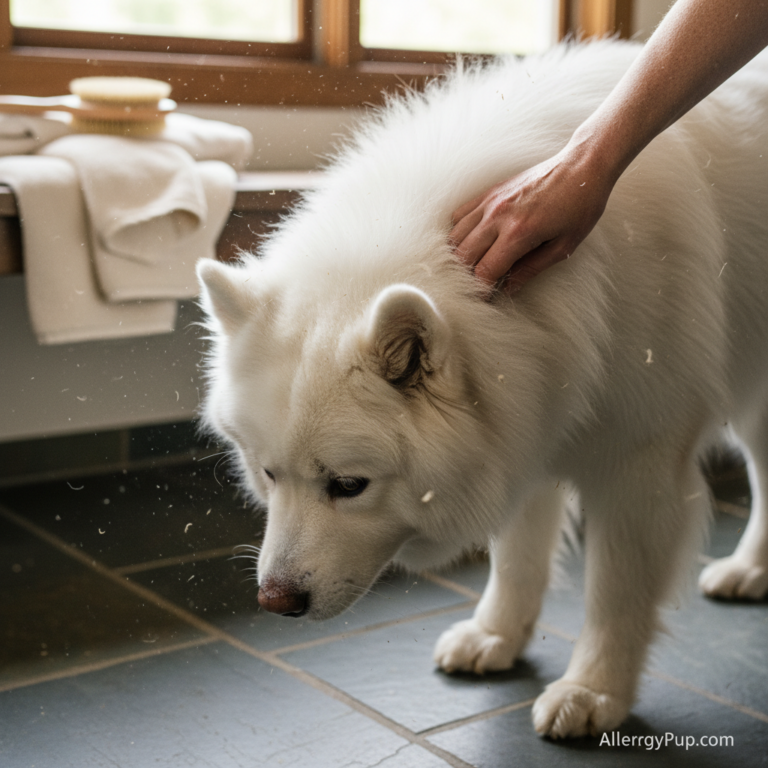
- Frequent baths: Hypoallergenic shampoos strip allergens off the coat. It works. For shampoo choices, see our guide on dog shampoo for itchy skin.
- Clean everything: Wash bedding weekly, vacuum twice as often.
- Air purifiers: Help some but won’t solve everything on their own.
This approach chips away at the allergen load. It’s not instant — but it does reduce flare-ups over months.
Expert Summary
Managing a rash on dogs’ tummy takes more than one pill or a special shampoo. You need to know the triggers, run the right diagnostics, and apply treatment + diet + environment changes together. It’s not glamorous. But regular check-ups plus attention to diet and lifestyle do resolve most cases and improve quality of life noticeably.