Last Updated on April 19, 2026 by Arlena Whitford
Look, finding something to stop the scratching is one of the most frustrating parts of owning a dog. I see it constantly — a dog with raw, angry skin and an owner who’s just done. Truth is, over half of all dogs deal with skin allergies eventually. That relentless itch just spirals into infections and pure misery. You’ve probably tried the vet visits, the expensive scripts, and watched your pup suffer anyway.
So let’s cut the noise. This is a straight look at triggers and fixes that work, drawn from decades in the exam room. It’s tedious, sure, but it works.
Many owners just want to understand the why behind the discomfort. From what I’ve seen in practice, managing this gets woven into daily life, and you’ve gotta watch symptoms like a hawk to make a dent.
At-a-Glance: Clinical Summary
Understanding the Root Cause: It’s Usually Allergies
What are the triggers?

Nine times out of ten, that pervasive scratching starts with an allergen. Pollen, dust mites, mold spores, flea saliva—the usual suspects. Seasonal patterns are a dead giveaway. If your dog turns into a scratching machine every spring, tree pollen is likely the culprit.
But food can be a silent agitator, too. It’s not always the grain. Honestly, the protein source—beef, chicken, dairy—tends to be the more common offender. I’ve lost count how many times a client swears it’s environmental, we do an elimination trial later, and boom — beef was the trigger all along.
Getting a real diagnosis.
Blood tests can point you in a direction. But the gold standard, the one we rely on for a definitive map, is intradermal skin testing done by a specialist. It’s not cheap, but for stubborn, year-round cases, it’s worth the hassle. For more on testing costs, see how much do allergy tests for dogs cost.
Dietary Tweaks You Can Make at Home
What to feed?
Swapping to a limited-ingredient or hydrolyzed diet is often the first solid step. The goal is to strip things back to basics. And look, grain-free isn’t a magic bullet. It helps some dogs, but for others, it does nothing. The real trick is finding a novel protein your dog hasn’t been exposed to.
- Novel Protein Sources. Think outside the farm. Duck, venison, kangaroo. These are less likely to have triggered a prior sensitivity.
- Anti-inflammatory Add-ins. A high-quality fish oil supplement is my top rec. The omega-3s quiet down inflammatory pathways from the inside. You might see a difference in coat quality in about 4-6 weeks, it’s not a quick fix.
- Stick with it. The thing about elimination diets is you gotta be brutal. No treats, no flavored meds, nothing but the trial food for 8-12 weeks. I’ve seen dogs itch for 18 months straight on ‘hypoallergenic’ grain-free food because the culprit was cross-contaminated lamb from the same factory line.
Topical Relief for the Maddening Itch
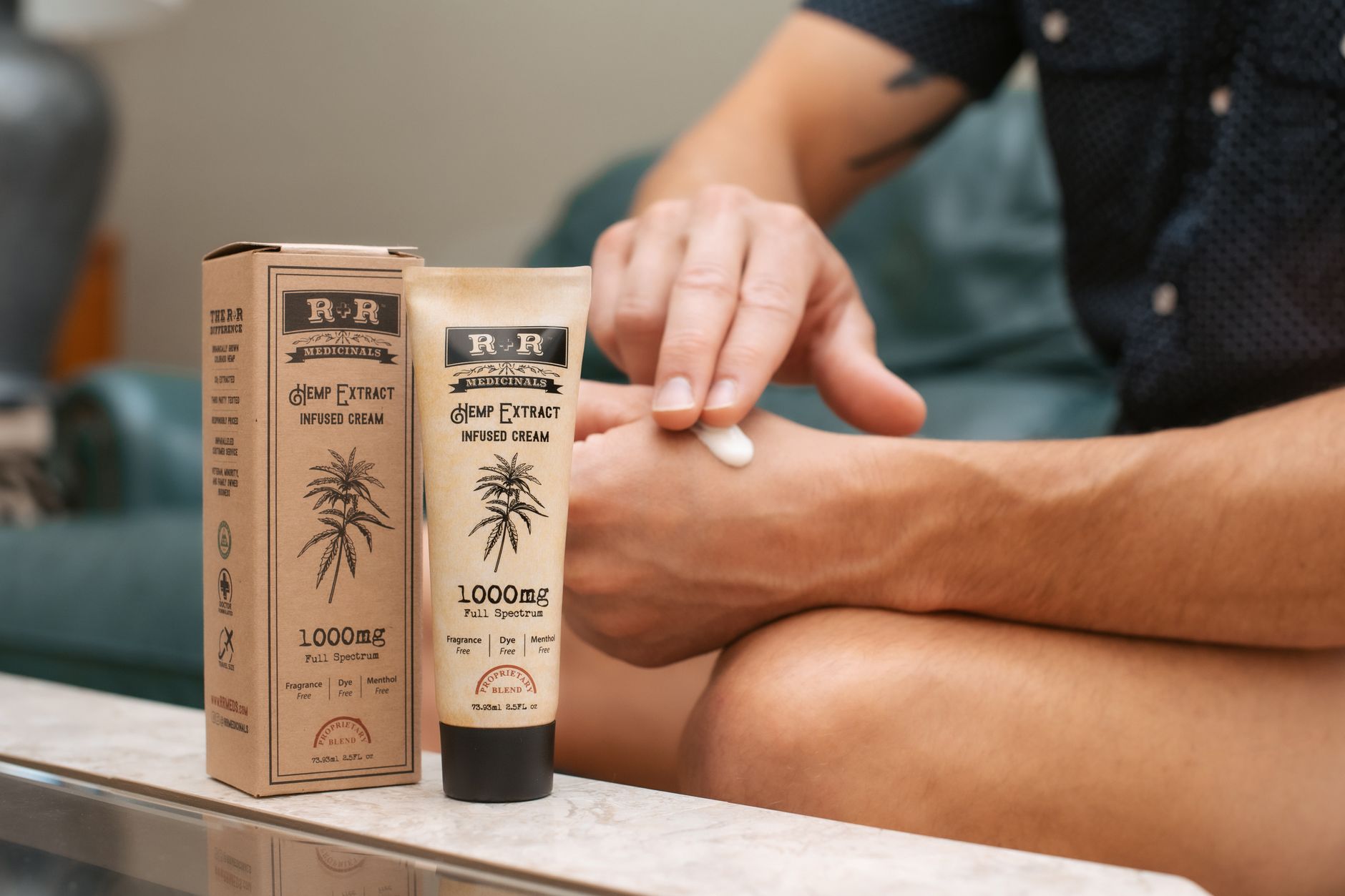
When the itch hits a ten, you need something now. Topicals are your first line of defense.
- Hydrocortisone Cream. This mild steroid can calm a localized hot spot fast. Use it sparingly, though. Never slather it over large areas, and never use a human-strength formula without a vet’s say-so.
- Colloidal Oatmeal Baths. This is a classic for a reason. It’s a soothing, anti-inflammatory soak. Most dogs find it calming, which is a bonus when they’re stressed from itching. Just don’t use hot water—it makes inflammation worse.
Watch for reactions. Even benign-seeming products can cause a response on already-angry skin.
Simple Home Care for Rashes
When a rash pops up, you can sometimes manage it with stuff from your pantry.
- Aloe Vera Gel. The pure, inner-leaf gel is cooling. It takes the fire out of a red, inflamed patch. Avoid any products with alcohol or additives.
- Coconut Oil. It’s decent enough as a moisturizer and has some antimicrobial properties. Great for dry, flaky patches, but it can be greasy and attract dirt if you overdo it.
Exploring a Natural Approach
For chronic, low-grade issues, some owners have luck with gentler options.
- Apple Cider Vinegar (Diluted!). Mix 1 part ACV with 3 parts water. It acts as a mild antiseptic and can help restore the skin’s acid mantle. Spray it on hotspots. But for the love of all that is good—avoid open wounds. It stings.
- Herbal Salves. Chamomile and calendula preps can be remarkably soothing. They promote healing without the harsh side effects of stronger meds.
Always, always do a patch test first. Dab a little on a small area and wait 24 hours. Dogs can be sensitive to anything new.
The Unsexy Routine That Actually Works
Long-term management isn’t about a miracle cure. It’s about boring, consistent care.
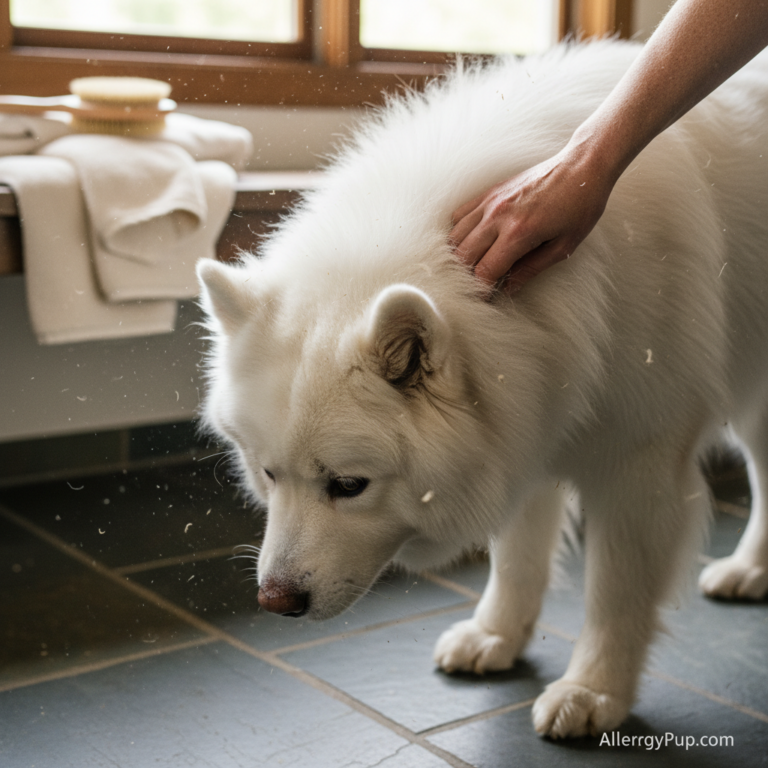
- Regular Grooming. Brushing isn’t just for looks. It physically removes dander, pollen, and dead hair that irritate the skin. Do it outside to keep allergens out of the house.
- Absolute Flea Control. This is non-negotiable. A single flea bite can set off a cascade of itching in an allergic dog. You have to stay on top of prevention, year-round.
Knowing When to Call the Vet
If you’ve given home management a solid two-week try with no improvement, it’s time to get help. Don’t wait until the skin is infected.
- Advanced Diagnostics. We might do skin scrapings to rule out mites, or cytology to check for yeast/bacteria. Sometimes the problem isn’t the allergy itself, but a secondary infection it caused.
- Prescription Options. For stubborn cases, meds like Apoquel or Cytopoint may be needed, or even a discussion about allergy shots.
Owners hate hearing this, but I’ve seen too many dogs where chronic scratching led to deep, stubborn infections. A check-up can catch this early, before it becomes a bigger ordeal.