Last Updated on April 21, 2026 by Arlena Whitford
Look, skin issues are just a massive part of the job — I’d say a good 20% of my appointments are for the itchy ones. The scratching, the sleepless nights, the bills. You get a few days of relief from a topical, then it’s back. So let’s skip the cycle and talk root cause.
Here’s the thing: you’ll learn to spot seven stubborn-as-hell issues, what we actually recommend, and how to find some real relief for your dog.
Truth is, owners come in wanting a magic bullet. But managing this stuff means weaving it into your daily routine, watching for changes like a hawk. That awareness? It’s the whole ball game.
At-a-Glance: Clinical Summary
1. Allergic Dermatitis: The Itch That Has No Off Switch
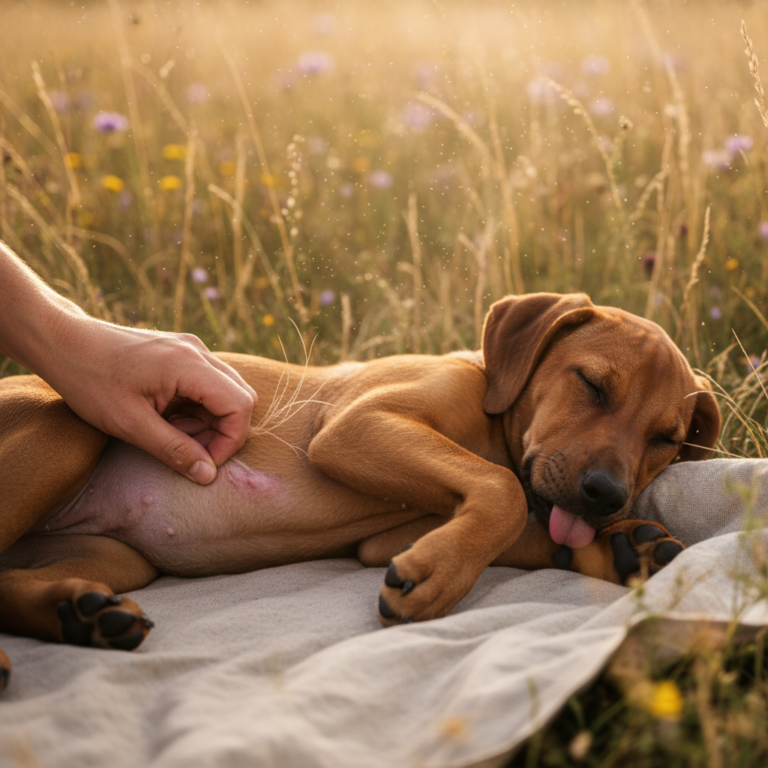
Basically, the dog’s immune system overreacts. To pollen, dust, or a food protein. The signs are unmistakable: intense itching, red skin, and often secondary infections from all that damage. You’ll see paw-licking, ear-rubbing, the whole miserable show.
Treatment involves a process, sure. Antihistamines and steroids can offer a break. But the long game is finding the specific trigger, which might need testing. Immunotherapy’s a commitment, but for chronic cases, it’s often the only path forward. I’ve seen dogs itch for 18 months on a ‘hypoallergenic‘ grain-free food — culprit was cross-contaminated lamb from the same factory line.
2. Pyoderma: More Than Just a Surface Problem
This is a bacterial skin infection. You’ll see pustules, hair loss, and a distinctive, gross odor. It rarely happens alone, there’s usually a compromised skin barrier or an underlying allergy paving the way.
Truth is, topicals won’t cut it for a deep one. We often need a culture to ID the bacteria and choose the right antibiotic. Using the wrong one or stopping too soon? That’s how you breed resistance. A gnarly problem gets worse.
3. Seborrhea: When the Skin’s Engine Misfires

Comes in two forms — oily and dry — leading to scaly patches and a greasy, smelly coat. The causes are a mixed bag: allergies, hormonal stuff, even genetics.
Treatment is about management, not cure. Medicated shampoos (with sulfur, salicylic acid) are the cornerstone. They help normalize skin turnover. Regular grooming is also clinically underrated; it physically removes scale. But you have to be consistent. Sporadic baths do nothing.
A Note on Secondary Issues
That damaged skin is a magnet for bacteria and yeast. So what starts as seborrhea often becomes a complex mess. Treating just the seborrhea then is like mopping the floor with the tap still running.
4. Fungal Infections: The Slow Creep
Ringworm is the classic, with circular hair loss. But other fungi cause trouble too. A musty smell is a dead giveaway. These are tenacious and zoonotic — they can spread to you.
Treatment is a two-front war. You need antifungal meds, oral and topical. Concurrently, you must decontaminate the environment. Spores live in carpets for ages. I’ve seen cases recur for a year because the home wasn’t thoroughly cleaned. It’s that stubborn.
5. Ectoparasitic Infestations: The Usual Suspects
Fleas, ticks, mites. They cause intense itching and lead to hair loss and crusty lesions. The flea allergy dermatitis reaction is particularly nasty — just one bite can set off a dog for weeks.
Treatment is prevention, honestly. Modern monthly preventatives are reliably decent. If you’ve got an active infestation, you’ll need to treat the dog and the home. Bathing helps, but it’s not enough. And remember, ticks carry systemic diseases. A quick daily check over your dog’s coat is your best early warning.
6. Hot Spots: The Five-Alarm Fire
Acute moist dermatitis, or hot spots, appear almost overnight. They’re painful, wet, inflamed lesions often sparked by an initial itch — a flea bite, a burr — that the dog then obsessively licks and chews.
Treatment needs speed. Shave the area. Clean it. Apply a vet-prescribed topical. We often use short-acting steroids to smash the inflammation cycle. The key is stopping the self-trauma. An E-collar isn’t cruel, it’s essential. Works every time — almost.
7. Contact Dermatitis: The Avoidable Agony

This one pops up after direct contact with an irritant: lawn chemicals, harsh cleaners, certain plastics. Redness and irritation on thin-haired areas — the belly, paws, muzzle.
Treatment is avoidance. But first you have to play detective. Find the irritant. A diary of walks, products, new bedding can crack the case. Once you know, the fix is straightforward. Just keep them apart. Simple as that. Really.
Getting to the Bottom of It: Diagnosis Isn’t Optional
When a dog walks in itchy, guessing is a disservice. The origin dictates everything.
What Puts Your Dog at Higher Risk?
Genetics play a huge role. So do environmental allergens. But underlying health issues are the silent aggravators — hormonal disorders like hypothyroidism wreck skin quality. I’ve had dogs come in for “allergies” for years that actually had a thyroid problem. Fix the thyroid, the skin clears up.
The Diagnostic Toolkit We Actually Use
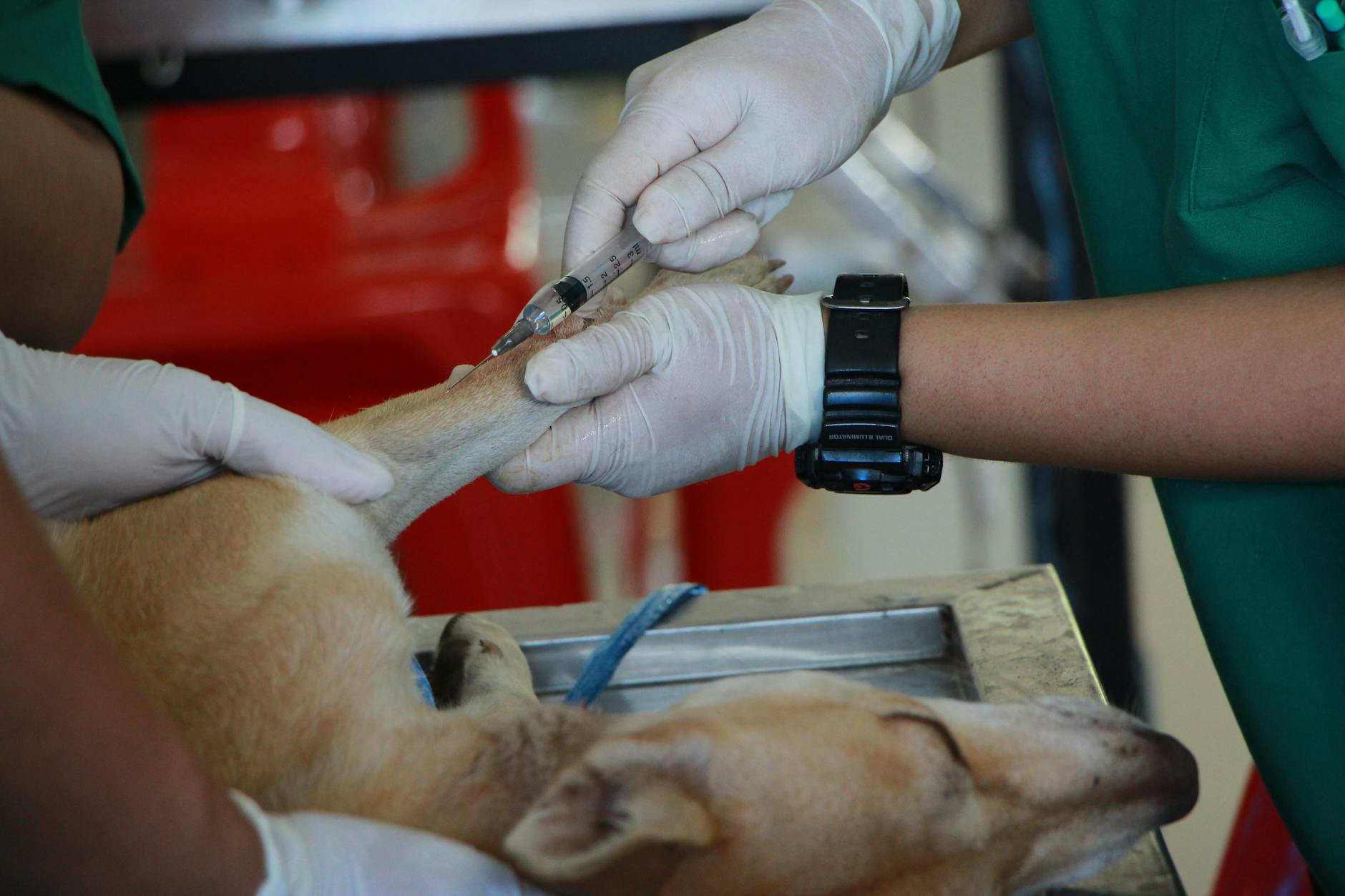
Start simple. A skin scrape looks for mites. Cytology (staining a swab) tells us if it’s bacteria, yeast, or both. For stubborn cases, a biopsy is the gold standard. It gives a definitive answer. People fear it, but it’s a minor procedure that saves months of wrong treatment.
Why Treatment Protocols Have Layers
Most skin issues need a multi-faceted plan. Medication addresses the immediate fire. Diet change can remove fuel. Environmental mods reduce sparks. Skipping one layer often leads to relapse. It’s tedious, but it’s the only way.
The Maintenance Phase: Keeping Skin Healthy
Prevention is less dramatic than treatment, but it’s the goal.
The Underrated Power of Regular Grooming
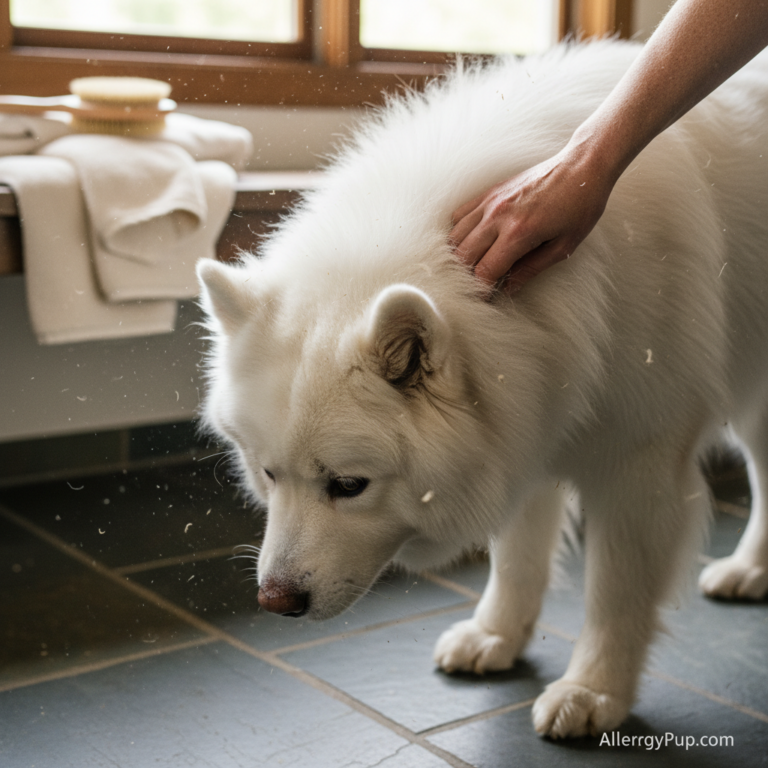
Brushing does more than detangle. It distributes oils, removes dead skin, and lets you see problems early — a small red patch, a single flea. That early intel is everything.
Nutrition Really Does Matter
A balanced diet for your dog’s life stage is non-negotiable. For skin, omega-3s (from fish oil) are anti-inflammatory powerhouses. Look for diets that meet AAFCO standards. The bag matters, but so does the individual dog’s response. Client swears it’s environmental — elimination trial later and boom, beef was the trigger all along.
Don’t Skip the Vet Check
Annual exams aren’t just for shots. They’re a chance for a full-body skin check and to catch subclinical issues. Catching a problem when it’s minor is cheaper, easier, and kinder.
Wrapping This Up
Managing skin problems is a proactive grind. Understand the common issues. Recognize the signs early — that first obsessive lick-pawing session. Then partner with your vet and stick to the plan, even when the itching stops. Consistency is the secret. And always, prioritize those check-ups.