Last Updated on April 17, 2026 by Arlena Whitford
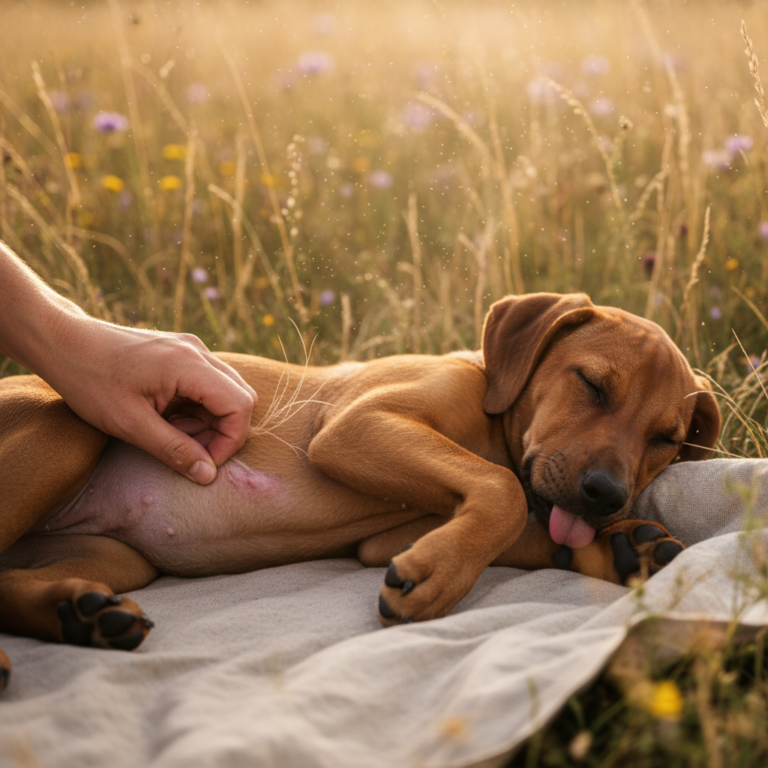
Yeast infection on skin on dogs is a pervasive source of misery. The scratching is relentless, the smell is unmistakable, and the frustration is real — I see it daily. If your vet visits are piling up and nothing seems to stick, you’re not alone. Let’s cut through the noise. Here’s a raw, clinical look at recognizing the signs, tackling the root causes, and finally soothing your dog’s skin. It’s the stuff we actually use in practice.
Owners come in all the time desperate for info because this thing just keeps coming back. And look, management is a grind. It’s topical treatments, diet tweaks, and daily vigilance rolled into one tedious routine. But monitoring for changes is the only way to catch a flare before it gets gnarly. That part’s non-negotiable.
At-a-Glance: Clinical Summary
What’s Actually Causing This Yeast Overgrowth?
Look, yeast is a normal resident on your dog’s skin, it’s always there. The problem starts when it multiplies out of control, and that almost always happens for a reason. It thrives in moist, warm environments, sure. But we need to look deeper at the factors that create that perfect storm.
Underlying Skin Conditions

Chronic issues like atopic dermatitis are a huge one. The skin barrier is already compromised — it’s like leaving the front door unlocked. This allows for opportunistic colonization, and yeast waltzes right in. Truth is, I’ve seen dogs where managing the allergy was the only thing that finally cleared the recurrent infections. Client swears it’s environmental, elimination trial later and boom, chicken was the trigger all along, as detailed in expert-verified insights on dog allergic to chicken.
Immunosuppression
This is straightforward but often overlooked. Dogs that are immunocompromised, whether from certain medications like long-term steroids or an underlying health condition, have a higher susceptibility. Their defenses are down, it’s that simple.
Nutrition and Skin Health
Low-quality diets are a silent culprit. Foods lacking essential fatty acids directly compromise the epithelial barrier. Basically, the skin can’t defend itself. I tell clients to think of a good diet as building a better wall, without the right bricks (nutrients), it crumbles. I’ve seen dogs itch for a year straight on a “hypoallergenic” grain-free food — culprit was cross-contaminated beef from the same factory line.
Symptoms: What You’re Seeing (and Smelling)

Identifying a yeast infection early dictates everything. The treatment for a mild case is different from a gnarly, deep-seated one. Here’s the clinical picture.
- Intense Scratching or Licking. It’s more than a casual itch. It’s persistent, focused discomfort. Pay attention to where. Ears, paws, stomach? That’s your map.
- Skin Irritation. Look for redness or swelling. The skin often feels warm to the touch — a classic sign of inflammation. Sometimes it’s subtle, other times it’s blatant.
- Oily or Scaly Skin. An increase in greasiness or visible scaling is a big clue. In more advanced cases, you might see hyperpigmentation, those blackish spots, especially around the tail base and groin. That’s a sign it’s been going on a while.
Severe Yeast Infection: Time to Worry
A severe infection isn’t just more itching. It’s a complication in the making. Indicators that need immediate veterinary attention include:
- Foul, Musty Odor. It becomes pervasive. Not just a faint smell, but a room-filling one.
- Severe Redness and Crusting. This often indicates a secondary bacterial infection has joined the party. Now you’re dealing with two problems.
- Significant Hair Loss. Not just thinning, but bald patches in infected areas. The skin underneath is usually angry.
A Special Note on Face Folds
Breeds like Bulldogs or Pugs are practically designed for this problem. The moisture trapped in those adorable folds creates an ideal, stagnant habitat for yeast.
How to Manage It:
- Clean the folds gently but regularly. Daily, if needed.
- Dry them thoroughly. I mean bone-dry. Moisture is the enemy.
- That’s the trick. Consistency is everything.
Treatment: The Combination Approach
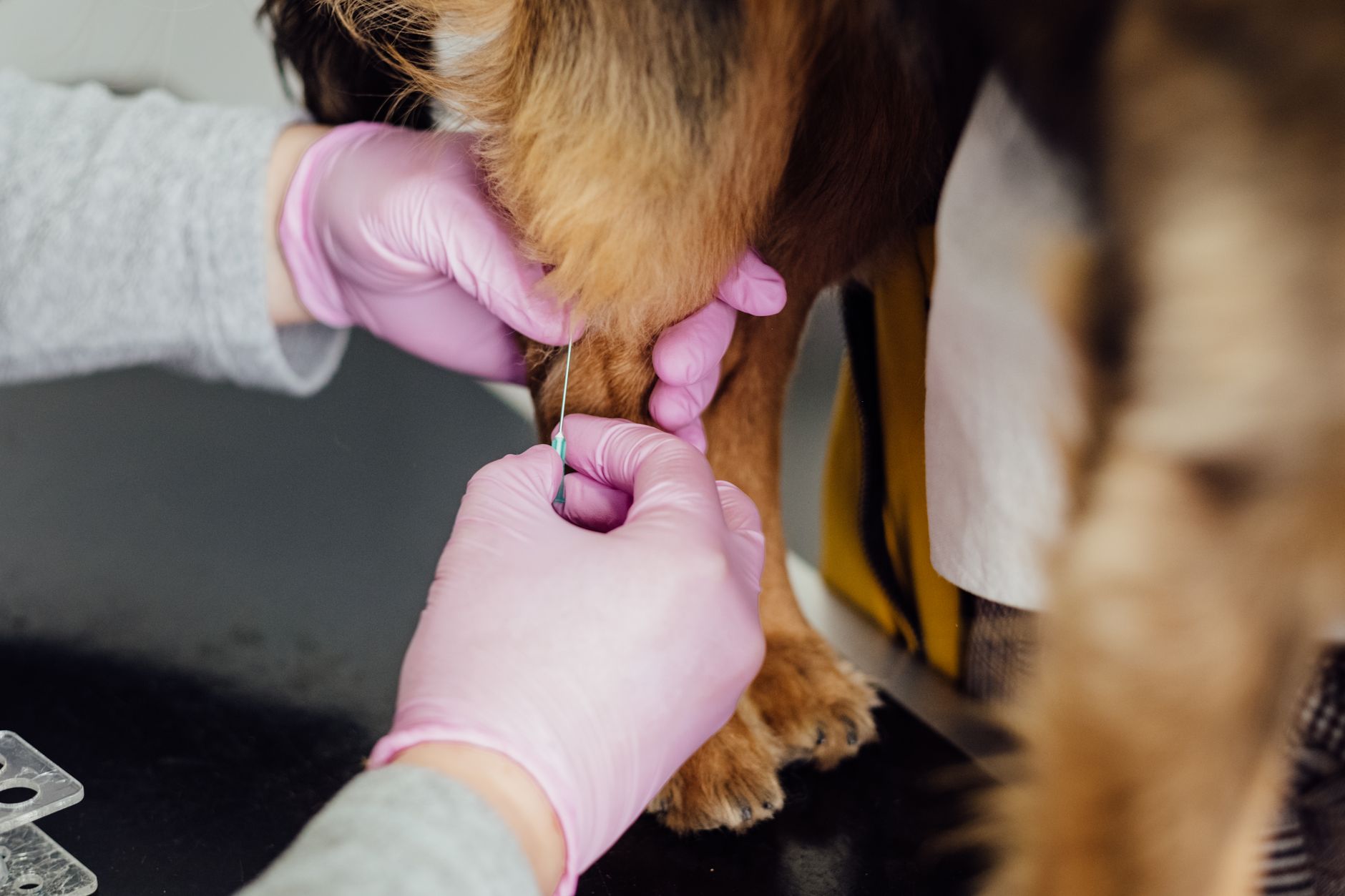
Throwing one thing at a stubborn yeast infection rarely works. Effective management is almost always a multi-pronged attack. Here’s the toolkit.
Topical Antifungal Treatments
Medicated shampoos are a first-line workhorse. Look for ones containing ketoconazole or miconazole, and use them as directed — often a prolonged contact time is key. Don’t just suds and rinse. Let it sit. Find recommendations in the guide on what dog shampoo is best for dogs with itchy skin.
Diet Adjustments
This is where many owners hit a wall. Switching to a high-quality, hypoallergenic, or novel protein diet can decrease the antigenic load on the immune system. It’s about removing a source of internal inflammation. Consider options that meet AAFCO guidelines, but work with your vet to find the right one (and yeah, even the fancy boutique brands can mess this up).
Oral Medications
For pervasive or stubborn cases, we move to systemic antifungals like itraconazole. This is serious medicine. Regular monitoring of liver enzymes is essential, because we adjust dosages as necessary. You don’t set it and forget it.
Proactive Care: Prevention Is Less Hassle
Avoiding the cycle is always better than breaking it. Here’s how to stack the odds in your dog’s favor.
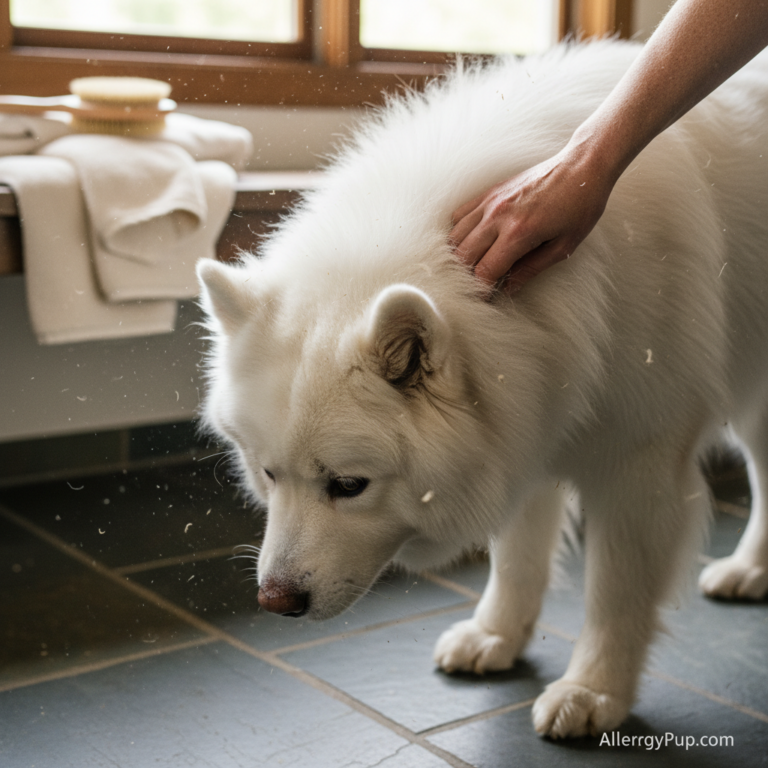
- Regular, Smart Grooming. Bathe with a pH-balanced or medicated shampoo, but don’t overdo it and strip natural oils. The critical step? Thorough drying. Especially in all those folds and between toes. A damp dog is a yeast party waiting to happen.
- Maintain Diet Quality. This isn’t a one-time fix. It’s ongoing. A diet rich in high-quality proteins and omega-3 fatty acids promotes a resilient skin barrier. It’s foundational.
- Environmental Control. Keep their living space clean and dry. Ensure bedding is washed regularly and areas are well-ventilated. Humidity is your adversary.
Final Thoughts
Yeast infections on a dog’s skin are a pain. They’re uncomfortable for your pet and frustrating for you. Early recognition is powerful, but long-term management is what wins the war. It goes beyond a tube of cream. It encompasses consistent hygiene, a solid diet, and a strong partnership with your veterinarian for tailored strategies. Look, I’ve had clients come in at their wit’s end after months of trial and error. The solution is almost never a single magic bullet. It’s a system. Build the system, and the skin usually follows.