
Last Updated on March 18, 2026 by Arlena Whitford
Dog allergy spray is often the first thing we reach for when the scratching starts. And honestly, it’s a decent enough tool for 15-30% of dogs with environmental allergies. But here’s the thing: most owners misuse it. The itching never stops. Truth is, these sprays are just one piece of a stubborn-as-hell puzzle. Here’s how to actually use them to give your dog some real relief, based on what I’ve seen work in practice for years.
Nine times out of ten, management comes down to daily routine, where watching for subtle changes makes a clinically massive difference. You’ve got to stay consistent.
At-a-Glance: Clinical Summary
Understanding the Different Dog Allergy Sprays

Different sprays exist for wildly different jobs. It’s not one-size-fits-all, I’ve lost count how many times an owner brings in an allergen spray when what they needed was straight-up anti-itch.
Anti-Itch Sprays are your fast responders. They usually feature ingredients like hydrocortisone, pramoxine, or aloe vera to soothe that immediate, maddening discomfort. Think of them as a fire extinguisher for a sudden flare-up — it’s a temporary fix, not a cure.
Dog Allergen Sprays work more like a pre-emptive strike. They neutralize triggers on surfaces—your couch, your dog’s bed, even their fur coat. They don’t stop the itch directly; they try to remove the cause. Honestly, they’re underrated for maintenance.
Then you have Dog Dander Removers. These aim to cut down the cloud of skin cells and proteins floating around your home, which is a pervasive trigger for some allergic dogs (and humans!). Each type plays a role. Choosing the wrong one is why so many folks see zero results, it’s frustratingly routine.
How to Pick the Right Dog Allergens Spray
Start with Your Vet


Always, always start here. I’ve had clients come in with bags of sprays that did nothing. A quick skin test or allergy panel can reveal if your dog is reacting to pollen, dust mites, or mold. That intel lets your vet recommend a targeted spray. Blind guessing is expensive and it wears you out.
Decode the Ingredient List

Not all sprays are created equal. Ingredients like colloidal oatmeal or ceramides can be reliably useful for soothing and repairing. But some contain fragrances or alcohols that can irritate sensitive skin — read the label like you’re checking your own food allergies. I’ve seen dogs react to the “inactive” stuff more than the actives.
Watch Your Dog’s Skin

This seems obvious, but you’d be surprised. After application, observe. If the itching seems worse or the skin looks redder, stop. That product isn’t for your dog. It happens. In my experience, it’s not always the active ingredient—sometimes it’s an inactive carrier causing the issue. Client swears it’s environmental, we switch sprays and boom, the redness clears.
Timing and Frequency: Getting It Right
Daily Schedule is common for maintenance. But you must check the specific product instructions. Some corticosteroid-based sprays shouldn’t be used long-term without a vet’s say-so, it’s a shortcut to thin skin.
Before Exposure is a clinically undervalued tactic. For the dog who gets puffy after a spring walk, spraying them down before they go out can create a bit of a shield. It minimizes how much allergen actually sticks to the coat. Simple as that. Really.
Post-Bathing is my go-to. After a bath, the skin’s barrier is a bit more permeable. Using a soothing or barrier-support spray as they dry can help lock in moisture and protect against new allergens. Basically, you’re capitalizing on a clean slate and combining it with the right dog shampoo for itchy skin.
Myths About Dog Dander Remover Spray

Let’s bust some myths. Owners hate hearing this but…
Myth 1: One Spray Fits All. Nope. Every dog’s immune system is a unique, sometimes overly dramatic, snowflake. A targeted approach isn’t just best practice—it’s the only thing that works long-term.
Myth 2: More Spray Equals More Relief. Over-application is a fast track to gunky, irritated skin. It can clog pores and cause a whole new set of problems. Follow the label.
Myth 3: Sprays Can Replace the Vet. They are a tool for symptom management. A gnarly skin infection or a deep-seated allergy needs a professional assessment. Sprays are part of the team, not the entire coaching staff. I’ve seen dogs itch for 18 months straight on sprays alone while a hidden food allergy raged underneath.
Maximizing Your Spray’s Efficacy
- Clean the Fur First. I said it earlier, but it bears repeating. Dirt and oils block the active ingredients. A quick wipe with a damp cloth can make all the difference.
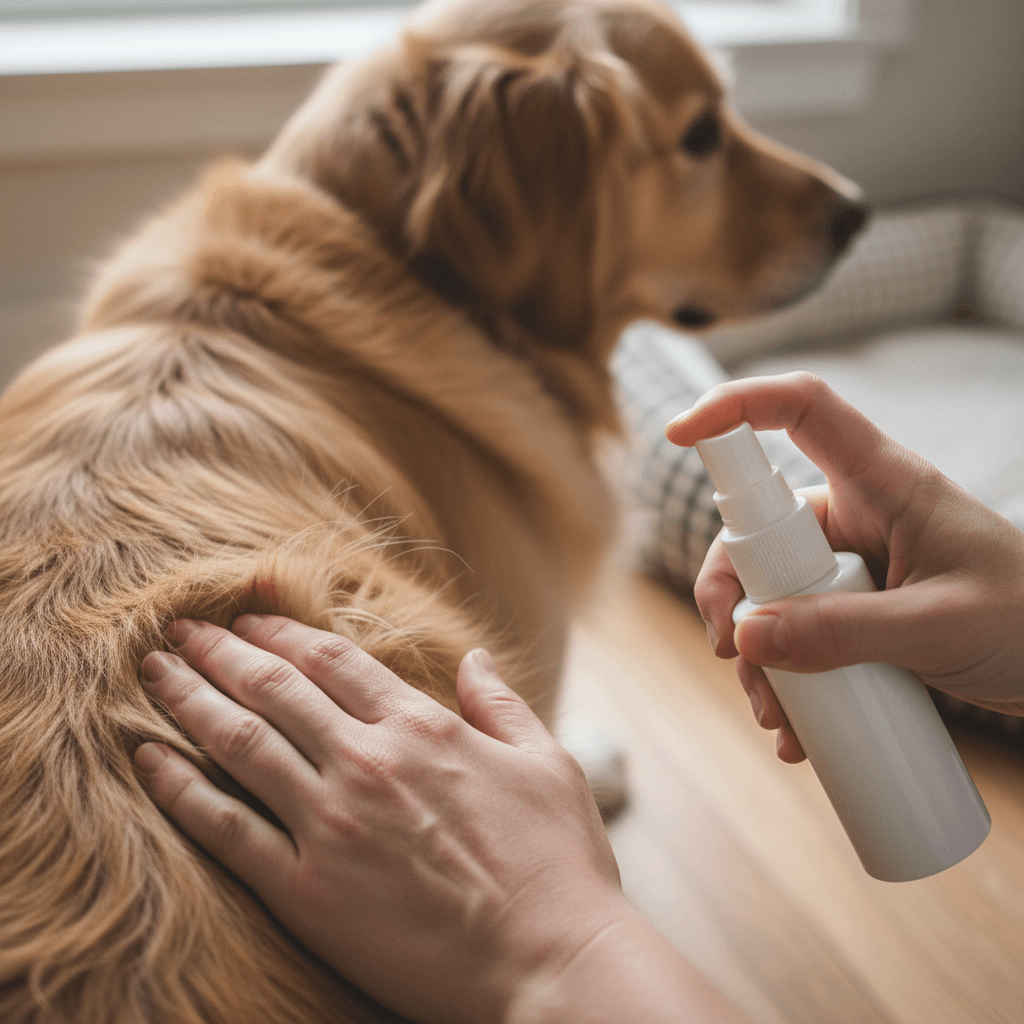
- Massage It In. Don’t just mist and go. Gently massage the product down to the skin. This improves absorption dramatically.
- Create a Ritual. Consistency is everything for long-term control. Set a schedule—maybe after the morning walk and before bed. Chaotic application leads to chaotic results, it’s tedious sure but it works.
The Impact of Allergens on Canine Skin Health
Why the Itch Cycle is So Damaging

Environmental allergens don’t just sit on the skin. They trigger a heightened cytokine response—that’s your dog’s immune system going into overdrive. The resulting inflammation causes the severe itching.
The Domino Effect
And that itch leads to scratching. Scratching breaks the skin barrier. A broken barrier lets in bacteria and yeast, leading to secondary infections. Now you’re not just treating an allergy, you’re treating a stinky, painful skin infection on top of it. Keeping the skin barrier intact with proper spray use and care breaks this cycle. That’s the trick.