

Last Updated on March 23, 2026 by Arlena Whitford
That relentless scratching. The constant gnawing at their paws. It’s maddening to watch, and it’s miserable for your dog. I see it all the time. You might’ve even switched to a beef-based food hoping for a shinier coat, only to watch the itching get worse — classic, frustrating story. Look, a dog allergy to beef is everywhere you look, and managing it starts with knowing the steps that actually work.
Truth is, owners come in seeing the obvious stuff: the obsessive itching or the gut upset. But understanding the management protocol is the clinically massive part, the part that gets woven into daily life. And consistent monitoring? It’s non-negotiable for keeping those stubborn-as-hell flare-ups at bay.
At-a-Glance: Clinical Summary
Spotting a Beef Allergy: It’s Not Just the Skin
The Usual Suspects: Skin Deep Signs
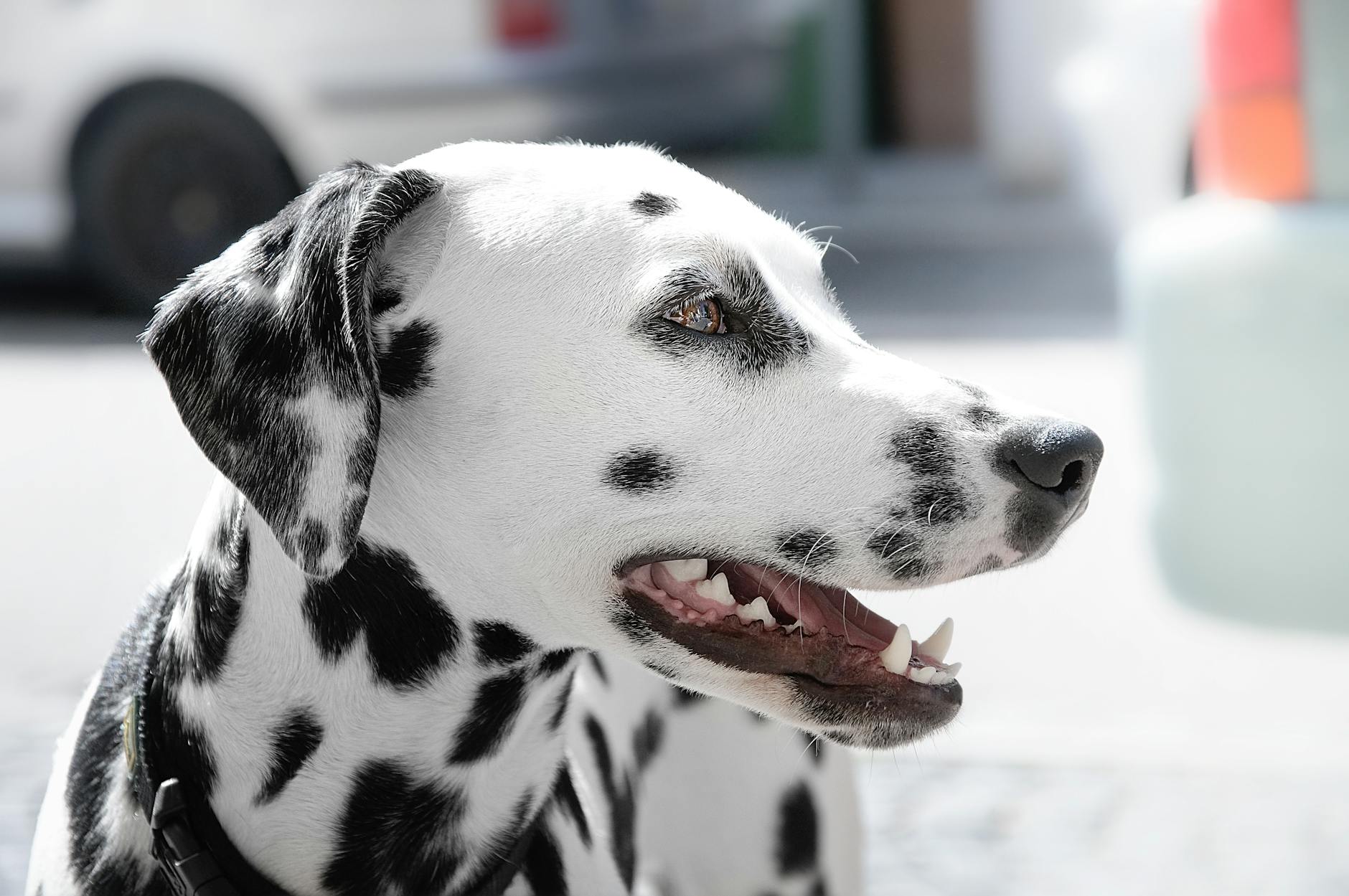
Itching, redness, and inflammation are your biggest clues. It’s a histamine-driven misery. The scratching becomes so intense it often creates secondary bacterial or yeast infections — that’s when you see the gnarly, greasy patches or smell that distinctive odor. You’ll notice obsessive behaviors: licking paws raw, scooting, rubbing their face on the carpet.
The skin is the most common battleground. But it’s not the only one.
When the Gut Rebels
For some dogs, the war happens internally. Vomiting, diarrhea, or flatulence can be the primary signs. This routinely leads to misdiagnosis. Honestly, we have to rule out parasites, pancreatic issues, and dietary indiscretion first. But when those come back clear and the symptoms are chronic, food allergy shoots to the top of my list. I’ve lost count how many times a client swears it’s environmental, elimination trial later and boom, beef was the trigger all along.
How We Actually Diagnose a Beef Allergy
Start With the Story
The diagnostic journey always begins with a meticulous history assessment. My first appointment is a detective session. When did it start? What exactly are they eating — including every single treat and table scrap? What have you tried? This narrative is clinically undervalued but tells me more than any quick test.
Skin prick tests and serum IgE tests have their place, mainly for environmental allergies. For food? Their reliability is spotty, it’s just not worth the headache most days. The gold standard remains the elimination diet trial. It’s tedious, sure, but it works.
The Elimination Diet: The Only Real Test

Here’s the protocol. You remove all sources of beef and other common allergens for a solid 8-12 weeks. That means a prescription hydrolyzed or novel protein diet. No exceptions. After the trial period, if symptoms resolve, we do a “provocation.” We reintroduce a small amount of beef. If the itching or vomiting returns within days, we have our answer. That’s the trick.
I’ve seen dogs itch for 18 months straight on a ‘hypoallergenic’ grain-free diet — culprit was cross-contaminated lamb from the same factory line. Works every time — almost.
What Works: Treatment Isn’t One-Size-Fits-All
The Dietary Switch
Transitioning to a hypoallergenic diet is the cornerstone. This usually means a novel protein (like duck or kangaroo) your dog has never eaten, or a hydrolyzed diet where the protein is broken down so small the immune system doesn’t recognize it. Don’t just grab a “limited ingredient” bag off the shelf. You need a diet formulated to meet AAFCO standards, and your vet’s input is key. Owners hate hearing this, but random guessing just burns cash and time. For a wider range of options, check out our dog allergy food list options for relief.
For the Stubborn Cases: Immunotherapy
When dietary management isn’t enough — or the allergy is severe — immunotherapy can be a game-changer. It’s a longer haul. Allergy shots gradually teach the immune system to tolerate the allergen. It’s not a quick fix, but for some dogs, it provides the only real long-term relief. You’ll need a referral to a veterinary dermatologist, a member of the ACVD.
Living With a Beef Allergy: The Long Game
Monitoring is Everything

Regular check-ins with your vet, or better yet a dermatologist, are crucial. I tell clients to keep a detailed food and symptom log. It sounds tedious, but when you’re trying to pinpoint a hidden source of beef, it’s the only way. Was the itch worse Tuesday? What did they eat Monday? That log is worth its weight in gold.
Supportive Care Beyond Diet
Integrating omega-3 fatty acids (from fish oil) is a reliably decent move. They help modulate inflammation and support that skin barrier function. Don’t expect miracles, but it’s a solid enough supportive therapy. And yeah, even the fancy boutique brands sometimes skimp on the EPA/DHA levels, so check the label.
Frequently Asked Questions
Look, getting a handle on this changes everything. The goal is a comfortable dog and a less stressed you. It requires patience and vigilance, but once you identify the culprit and lock down the diet, the difference is night and day. Start with that detailed history, commit to the elimination trial, and partner with your vet. Simple as that. Really. For further relief strategies, don’t miss the 7 expert-verified natural dog allergy treatment solutions.