
Last Updated on March 7, 2026 by Arlena Whitford
How much do allergy tests for dogs cost? Between $200 to $300 on average.
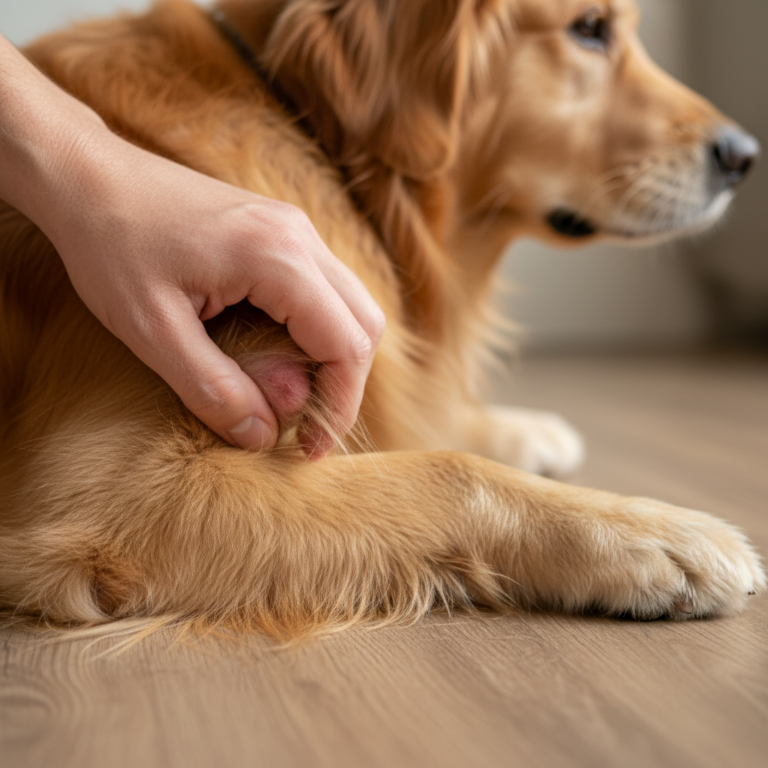
But if your dog is scratching non-stop, you already know the real cost isn’t just the bill. It’s the sleepless nights, the chewed-up paws, and that sinking feeling when the “new” food you bought last month has the same old ingredient.
Let’s break down what you’re actually paying for, using the same logic board-certified dermatologists do.
Look, managing this is a grind. It’s dietary shifts, vet visits, and daily notes on itching and stool.
That daily log is non-negotiable if you want a clear picture. I’ve lost count how many times a client’s scribbled notes about “bad ear day Tuesday after treats” cracked the case wide open.
What’s Behind Your Dog’s Food Allergy?
It almost always comes down to proteins. Beef, chicken, dairy—the body flags them as invaders.
Cue the histamine cascade and the whole miserable show: itchy skin, upset stomach.
Truth be told, genetics play a stubborn role, too. Some breeds are just wired for this.
Here’s the thing: knowing that can save you time and money on testing that might not be the best fit.
I’ve seen dogs itch for 18 months straight on ‘hypoallergenic’ grain-free — culprit was cross-contaminated lamb from the same factory line.
Testing Options: Serum vs. Skin
You’ve got two main paths.
- Serum tests check IgE antibody levels from a blood draw.
- Intradermal skin tests involve injecting tiny amounts of allergen under the skin to watch for a reaction.
Both give you a list of suspects. Skin testing is often seen as the clinical gold standard for environmental stuff, but it’s not always the first step for food.
Honestly, for food, I rarely start there.
The Uncomfortable Truth About Test Accuracy
It’s not perfect. Look, serum tests are convenient but can be less sensitive.
Skin tests are more involved. And false results? They happen, awkwardly enough.
I’ve seen serum panels light up like a Christmas tree for a dog who does fine on chicken.
That’s why testing alone isn’t a diagnosis. You must pair it with an elimination diet, no exceptions.
A client swears it’s environmental — elimination trial later and boom, beef was the trigger all along.
Picking a Food for an Allergic Dog
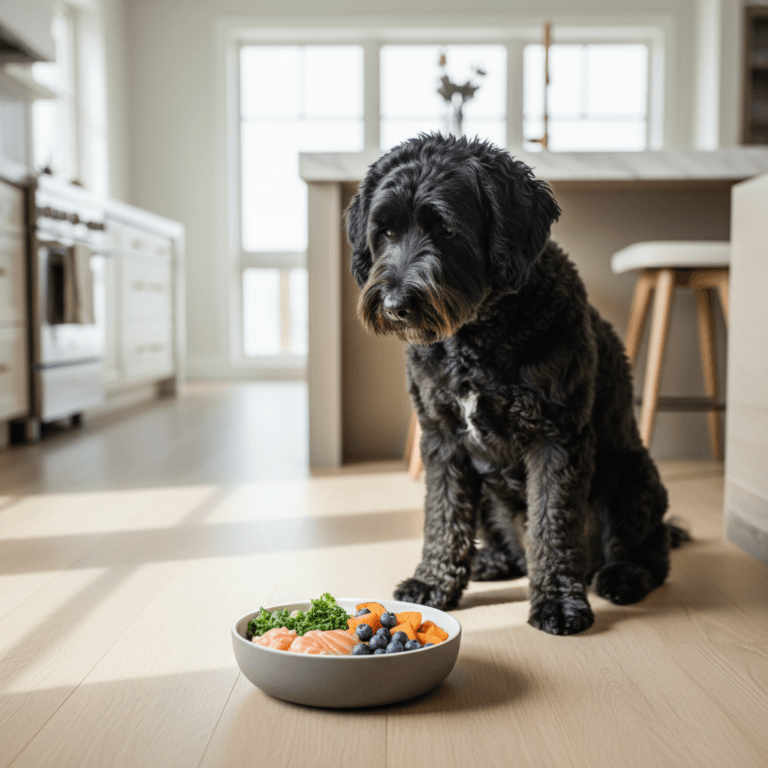
This is where most owners get tripped up. You need a hypoallergenic diet with novel ingredients—think venison or duck, sweet potato or quinoa.
Brands like Royal Canin, Hill’s, and Purina have solid veterinary-formulated lines.
But consult your vet. A prescription diet is often the reliably decent choice over a store-bought “limited ingredient” bag that might have trace contaminants (and yeah, even the fancy boutique brands do this).
Simple as that. Really.
How Much Do Allergy Tests for Dogs Cost? The Five Factors.
The sticker price is just the start. Here’s what actually moves the number.
1. Type of Test
- Serum tests usually run $200–$300. It’s a passable starting point.
- Skin tests are a bigger investment. I’ve seen $300–$600, easy. They often require a specialist, which brings us to…
2. Your Location
Geography is a pervasive driver. An urban clinic has higher overhead than a rural one.
You’re paying for the zip code as much as the service.
3. The Vet’s Specialty
A general practice visit costs less. Seeing a board-certified veterinary dermatologist (ACVD) costs more.
You’re paying for their gnarly expertise. Sometimes it’s worth every penny.
4. The Follow-Up Appointments
People forget this. Reviewing results isn’t free. Add $50–$150 per revisit.
These chats are where the real management plan gets built, though.
5. The Aftermath: Treatment Plans
The test is just the ticket. Then come the prescription foods, medications, maybe immunotherapy.
This is where long-term budgeting gets real. Works every time — almost.
Wrapping This Up
Managing dog allergies is a marathon, not a sprint. It needs a layered approach—testing, diet trials, vigilant monitoring.
Costs vary wildly based on the path you and your vet choose. Collaborate closely. And be patient.
These things rarely get solved in a single visit.