
Last Updated on March 23, 2026 by Arlena Whitford
Dog allergy symptoms plague up to a third of my patients. And most owners miss them entirely, chalking up that constant scratching to boredom or dry skin. I’ve seen the cycle a thousand times: the frantic chewing, the parade of visits, the expensive food switches that never seem to help. It’s exhausting. So let’s cut through the noise. Here’s what you actually need to look for.
Look, understanding this stuff is the only way to get a handle on it. You’ve gotta watch for patterns, and be ready to change up their routine — their food, their environment, the works.
At-a-Glance: What You’re Dealing With
1. The Itching That Won’t Quit

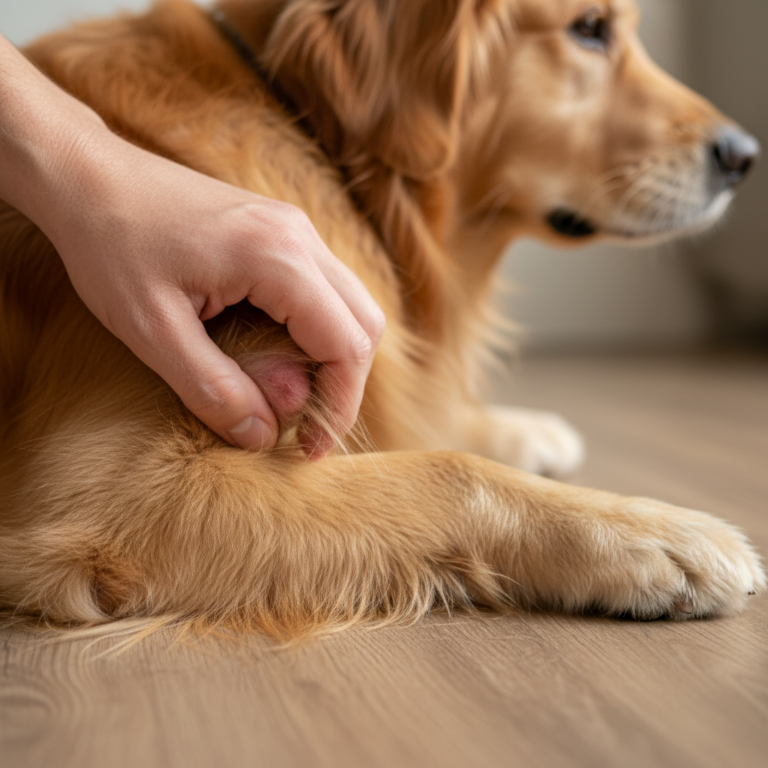
Unrelenting scratching is almost always the opening act. This isn’t a casual scratch behind the ear. It’s frantic, focused, and destructive. Honestly, left unchecked it turns skin raw and opens the door for gnarly secondary infections. The biology is straightforward but messy: an allergen triggers histamine, which fires up those itch signals. Basically, your dog’s immune system is throwing a panic party right on their skin.
Feel for warmth or a weird, leathery thickness. That’s chronic damage setting in, and I see it every single day.
2. Skin That Looks Angry
Visible inflammation and redness mean things are escalating. You might see it in hot spots—armpits, paws, groin—or as a widespread, splotchy rash. This inflammation is a stubborn-as-hell problem. It means the skin barrier is toast, letting more allergens in and moisture out. A vicious cycle starts.
Saw a dog last week itching for 18 months straight on a ‘hypoallergenic grain-free diet‘. Culprit? Cross-contaminated lamb from the same factory line as his old food.
3. Ear Infections That Keep Coming Back
Recurrent ear infections are a massive red flag. Allergic dogs often have overactive wax glands, creating a warm, dark buffet for yeast and bacteria. The tell? A distinct musty odor and coffee-ground-like debris. If you’re cleaning ears more than once a month, think allergy, not just dirty ears. Simple as that.
4. Gut Trouble: Vomiting and Diarrhea
Gastrointestinal signs like vomiting and diarrhea are the body’s blunt-force rejection of an allergen. It’s an internal riot. When it happens consistently after meals, a food allergy is prime suspect number one. The antigenic load just overwhelms the system. Don’t just switch brands blindly; you need a structured elimination diet. I’ve lost count how many times a client swears it’s environmental — elimination trial later and boom, beef was the trigger all along.
5. The Scary Stuff: Swelling or Hives
Acute swelling or hives is an emergency. Full stop. This can escalate to airway obstruction if the face or throat swells, it’s terrifying to see. If your dog’s face puffs up or you see raised welts, that’s a trip to the ER. No wait-and-see.
Getting to the Root of It
Allergies boil down to three sources: environment, food, or contact. The immune system mistakenly flags a harmless protein as a threat. A flare-up in April? Probably tree pollen. Constant issues? We scrutinize diet. According to the AAFCO, a properly formulated diet is the first line of defense, but the right diet is highly individual. (And yeah, even the fancy boutique brands get it wrong sometimes.)
A Realistic Management Game Plan
- Get a Specialist Involved. Your regular vet is a great start, but a board-certified veterinary dermatologist (ACVD member) has deeper tools. They’ll talk intradermal testing or specific IgE blood tests to map the triggers.
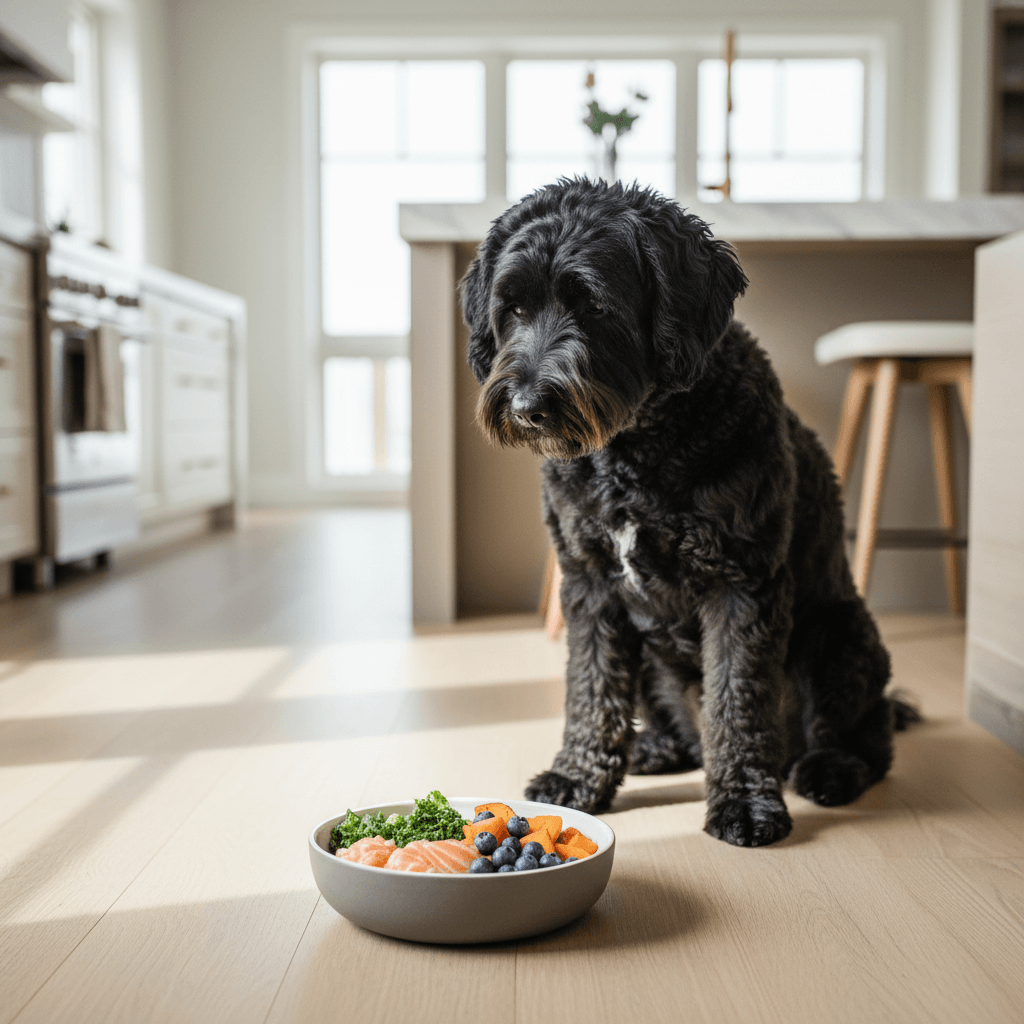
- Dietary Trials Are a Marathon. This isn’t just buying a “Hypoallergenic Dog Food” bag. It’s an 8-12 week strict elimination diet with a novel (think kangaroo or venison) or hydrolyzed protein. No treats, no flavored meds, nothing. It’s tedious, sure, but it works.
- Bathe Them More, Not Less. Frequent baths with a bland, hypoallergenic dog shampoo physically wash allergens off. It’s shockingly effective for environmental triggers, just don’t over-dry the skin.
- Medications Are Tools, Not Cures. Antihistamines help some dogs, but they’re hit-or-miss. Prescription anti-inflammatories or targeted therapies like Apoquel or Cytopoint can break the itch-scratch cycle. Omega-3 supplements help rebuild the skin barrier from the inside — they’re reliably decent.
- Control Their World. HEPA filters, weekly hot-water washes of their bedding, avoiding grassy walks at dawn when pollen counts peak. It reduces the total allergen load, and that’s the trick.
The Long Game
Look, most allergies aren’t “cured.” They’re managed. It’s a commitment to vigilance — regular check-ins, possibly lifelong dietary changes, becoming a minor expert in your dog’s unique triggers. But getting those symptoms under control? It gives them their life back. And that’s the whole point.