
Last Updated on April 17, 2026 by Arlena Whitford
Dog yeast infection is everywhere you look. The itching is obsessive, that sour-musty smell hits you when you walk in the room, and the rashes look lousy. Owners come in desperate. And look, those quick-fix vet trips? They often just buy a few weeks of quiet before the whole circus starts again.
Here’s the thing: managing this isn’t about one magic fix. It’s a layered, stubborn-as-hell strategy. So I’m walking you through seven practical steps. These are what we use in practice, every single day.
Truth is, owners look this up because it’s chronic. The routine gets old — the constant cleaning, the monitoring. But consistency is the only thing that keeps a lid on it. You gotta catch the flare-ups early.
At-a-Glance: The Clinical Rundown
What a Yeast Infection Actually Looks Like
Spotting the Signs
Identifying this early saves a world of hurt. The clues tend to cluster.
- Itching & Scratching. This isn’t casual. It’s obsessive, leads to raw spots and hot spots from the trauma.
- That Foul Odor. Forget typical dog. This is a distinct, musty-sour smell, usually from the belly, ears, or paws.
- Red, Pissed-Off Skin. The skin gets angry. Red, sometimes greasy, and it can thicken up like elephant hide if it’s ignored.
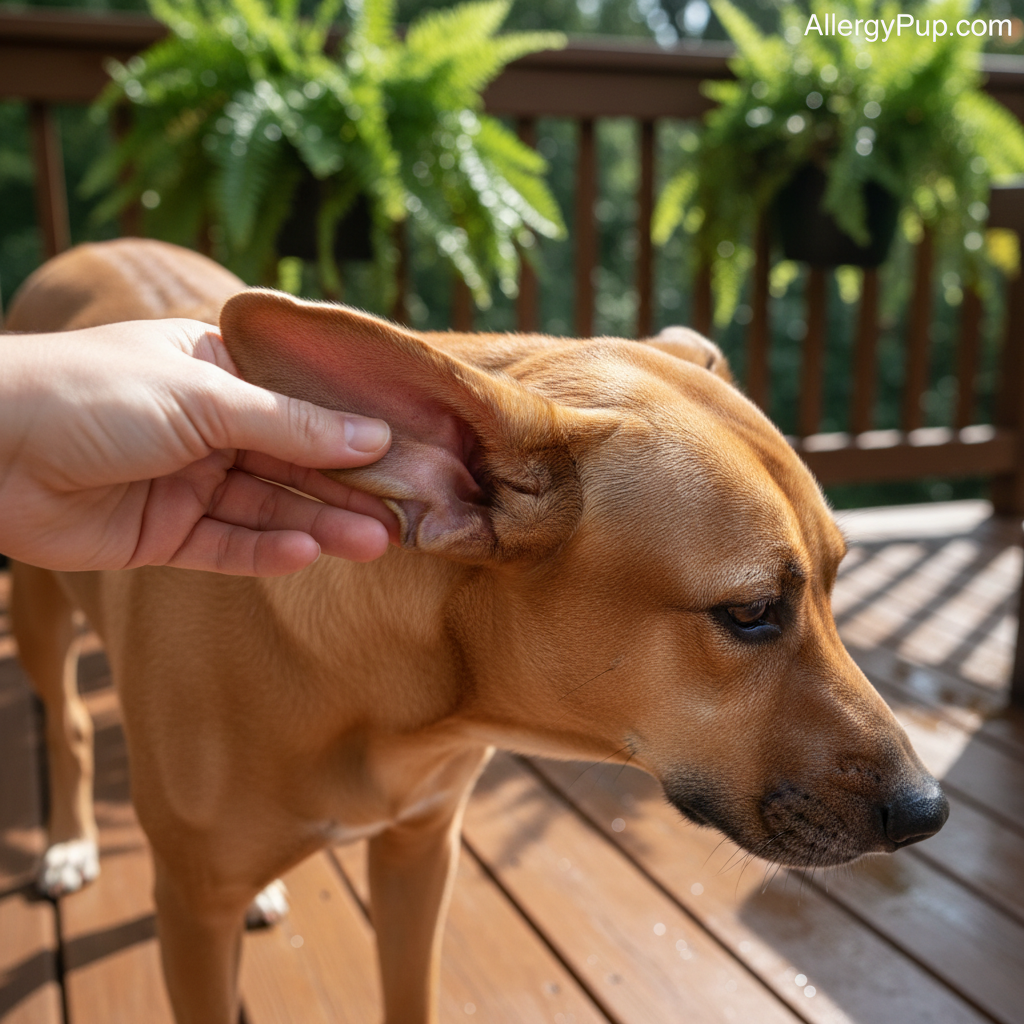
- Discharge. Watch for a waxy, yellow-brown gunk in the ears or skin folds.
Location gives you the biggest clue, the pattern tells the story.
Why the Belly is Ground Zero
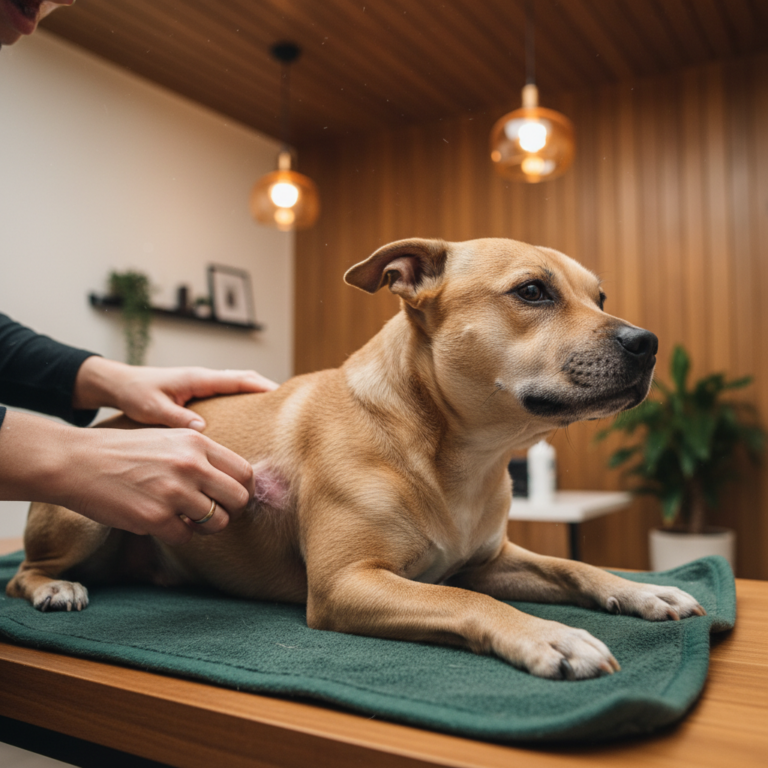
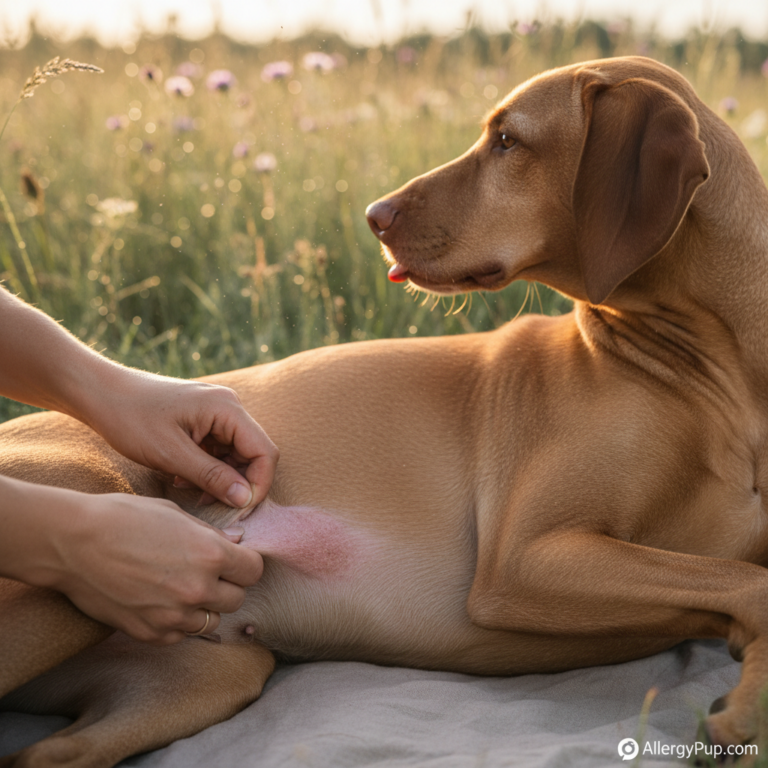
The dog yeast infection belly scenario is classic. This area is a moisture trap — warm, dark, poorly ventilated. Perfect breeding ground. Dogs with deep skin folds or a few extra pounds are at higher risk. I see it constantly, a client swears it’s just a rash from grass, elimination trial later and boom, it’s a systemic yeast party.
A Real-World Treatment Protocol
1. Consult Your Veterinarian. Seriously.
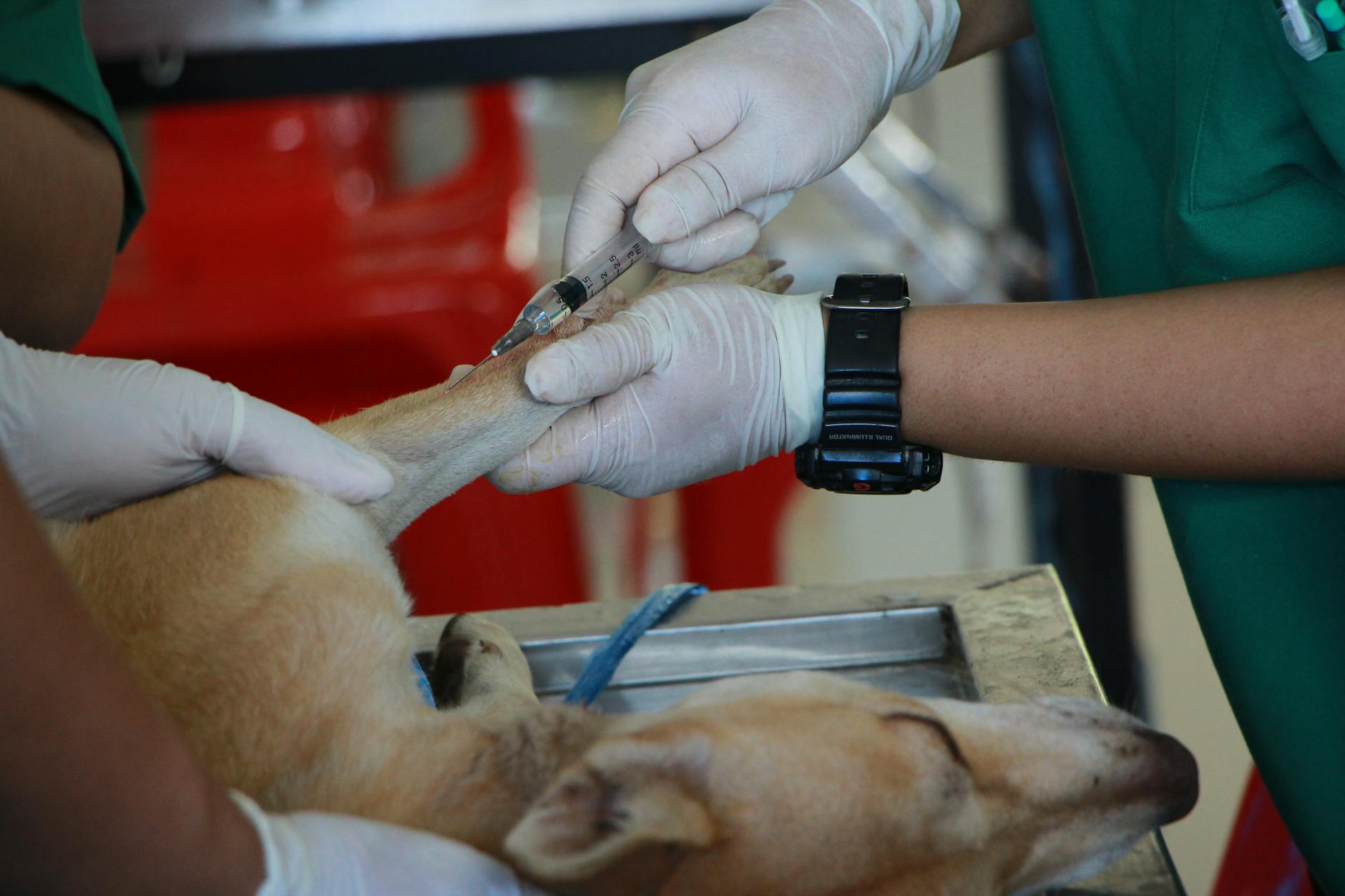
Early Intervention is the single most reliable step. Don’t just google it. A quick skin scraping in-clinic confirms yeast and rules out other nasties like bacteria or mites. This tells us what we’re actually fighting.
2. The Right Medicated Shampoos
Antifungal Shampoos are workhorses. But you gotta use them right. Look for chlorhexidine or miconazole. Lather, let it sit for a good ten minutes — I know, it’s forever — then rinse thoroughly. Twice a week to start. It’s tedious, sure, but it works. For more details, check out these tips on dog shampoo for itchy skin.
3. Oral Antifungal Medications
For stubborn or widespread cases, topical stuff isn’t enough. Prescription Solutions like ketoconazole can be game-changers. They’re systemic. They need vet oversight because, truth be told, we monitor liver values. But for gnarly infections, they’re worth the headache.
4. Dietary Management Isn’t Just Hype
Food Sensitivities are a clinically massive trigger. That inflammatory response from a food allergy creates the ideal, itchy, moist environment yeast loves. Switching to a solid enough, limited-ingredient diet can sometimes calm the whole system down. Always check AAFCO guidelines (and yeah, even the fancy boutique brands do this). It’s usually about the protein source, not the grain. For guidance on what to feed, see these expert tips on what to feed a dog with food allergies.
5. Maintenance is Everything
Routine Care means making ear cleaning and skin checks part of your monthly rhythm, not a crisis response. After swimming or a bath, be thorough with the drying.
6. Control Their Environment
Moisture Reduction is straightforward. Wash their bedding regularly. Don’t let them lounge on a perpetually damp patio. Yeast thrives in dampness, it’s that simple.
7. Watch for the Comeback
Long-Term Management means staying vigilant. If symptoms boomerang back fast after treatment, that’s a red flag. It’s not a treatment failure — it’s a signal. The yeast is just a symptom of a deeper issue, like an allergy. Time for a deeper dive.
Tricky Areas: Mouth and Nails
Dealing with Yeast Around the Mouth
It happens. Yeast can pop up around the lips and muzzle, making eating uncomfortable. Treatment involves careful application of vet-prescribed topicals — and keeping the area dry after they drink. A fiddly but necessary task.
The Overlooked Problem: Nail Bed Infections
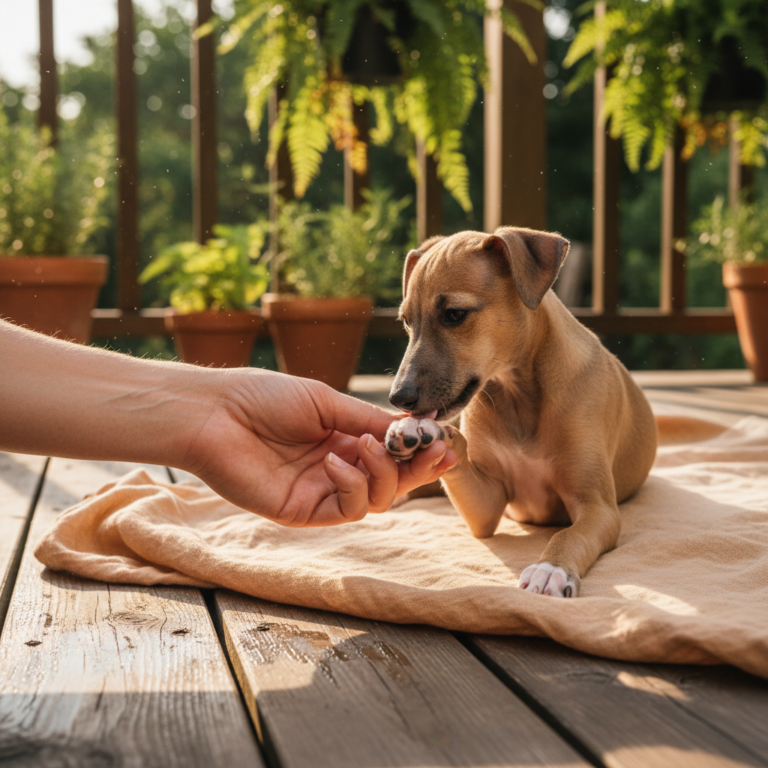
Dog yeast infection nails are a thing owners miss. Look for a dark, rusty discoloration at the nail base, a foul smell from the paws, or excessive licking. The nail bed is just another warm, moist fold. Frequent paw soaks with a diluted antifungal solution are crucial here. Don’t ignore the feet. You might find helpful advice in these dog allergy foot soak tips for relief.
The Root Cause Conundrum
What’s Really Driving This?
Allergies, hormonal imbalances like hypothyroidism, immune system quirks — they all prime the pump. These underlying conditions turn a simple dog belly yeast infection into a recurring nightmare. Treating just the yeast is like mopping the floor with the tap still running. I’ve seen dogs itch for 18 months straight on ‘hypoallergenic’ grain-free, culprit was cross-contaminated chicken from the same factory line.
Why Diagnostic Testing Isn’t Optional
An accurate diagnosis needs tools. We might need to rule out bacterial infections or run panels. According to AVMA protocols, skipping this is a disservice. You end up throwing random treatments at the problem, which is exhausting for everyone, especially the dog.
Wrapping It Up
Addressing this requires patience and a multi-pronged approach. Vet guidance, consistent home care, and smart tweaks form the foundation. It’s about management, not a cure.