
Last Updated on April 18, 2026 by Arlena Whitford
Apoquel side effects are a frustratingly routine reality in my clinic. Honestly, they pop up in nearly a quarter of the dogs we treat. That 25% isn’t just some stat—it’s a room full of itchy, uncomfortable dogs and their worried owners. You might feel like you’ve finally found the magic bullet for the scratching. But here’s the thing: without a clear-eyed view of the trade-offs, you’re just swapping one gnarly problem for another.
Look, I get it. The details are a lot. So let’s cut through the noise. I’m breaking down seven non-negotiable insights you need, straight from the exam room.
Truth is, everyone’s more aware now, so I get more questions about allergies. And nine times out of ten, owners just want the straight facts on how to manage it all. It boils down to watching for changes, which is clinically massive for decent care. Consistent vigilance? That’s the trick. It’s what keeps risks in check.
At-a-Glance: What You’re Dealing With
Common Apoquel Side Effects in Canines: What to Actually Look For

Identifying the Symptoms isn’t about a checklist. It’s about noticing the drift in your dog’s normal.
Lethargy is the big one owners report first. Your previously playful terrier might just want to snooze in the corner. Or your alert shepherd seems vaguely out of it. This isn’t “just tired.” It’s a physiological signal. From there, symptoms can escalate to gastrointestinal drama—vomiting or diarrhea that seems to come from nowhere.
Pay attention to any meaningful change in the first few days. I’ve seen dogs develop a subdued demeanor owners write off as “calm,” but it’s actually the drug. Trust your gut. If the dog that greeted you at the door every day for ten years suddenly doesn’t bother, that’s a data point. Client swore it was just aging — elimination trial later and boom, it was the drug.
A Quick Note on Behavioral Shifts
It’s an underappreciated facet. The same pathways that control itch also modulate mood in some dogs. So increased anxiety or unusual apathy? Jot it down. It’s connected.
When Do Apoquel Side Effects Typically Show Up?
Timeline of Reactions can be tricky. Most of the time, if a dog is going to have an acute reaction, you’ll see it within the first 96 hours. That’s the initial adjustment.
But some side effects are laggards. They don’t appear for weeks or even months into therapy. This delayed presentation is why ongoing vigilance isn’t optional—it’s the core of safe use. The so-called “adjustment phase” never really ends.
From what I’ve seen in practice, we schedule a recheck at the two-week mark for this exact reason. It’s a pivotal touchpoint to catch what the first few days missed.
The Long-Term Effects of Apoquel: Looking Down the Road
Unpacking Long-Term Use requires some blunt honesty. Yes, we use it long-term. But no, it’s not consequence-free.
The most clinically undervalued long-term risk is increased susceptibility to infections. We’re talking recurrent skin infections, yeast blooms, even demodex mange in adult dogs. The drug works by dialing down part of the immune system, and that door swings both ways. Over many months, you might also see a decline in overall skin and gut health. This affects epithelial barrier integrity—a fancy term for your dog’s first-line defense. When that’s compromised, it’s a vicious cycle. See more about managing yeast infection on skin on dogs for related challenges.
How Apoquel Tinkers With Your Dog’s Immune System

Let’s talk about Immunosuppression. Apoquel (oclacitinib) is a Janus kinase inhibitor. Basically, it selectively blocks specific cytokines involved in itch and inflammation. It’s not a broad-spectrum steroid, but it is immunomodulating.
The trade-off is straightforward: effective itch relief for a potentially dampened immune response. Research shows dogs on Apoquel can exhibit higher rates of certain opportunistic infections. Their immune system isn’t on full alert. This is why I cringe when owners use “it’s just for allergies” to downplay the drug’s impact. It’s a systemic medication with systemic effects, simple as that. Really.
What This Means in Practice
In my experience, these dogs need their vaccines to be absolutely current. Avoid dog parks or kennels if there’s a known bug going around. It’s about managed exposure.
Best Practices for Monitoring a Dog on Apoquel
Routine Checks and Balances are what separate a good outcome from a problematic one. Schedule those blood tests every 6-12 months like clockwork. We’re looking for silent shifts in organ function, not waiting for clinical signs.
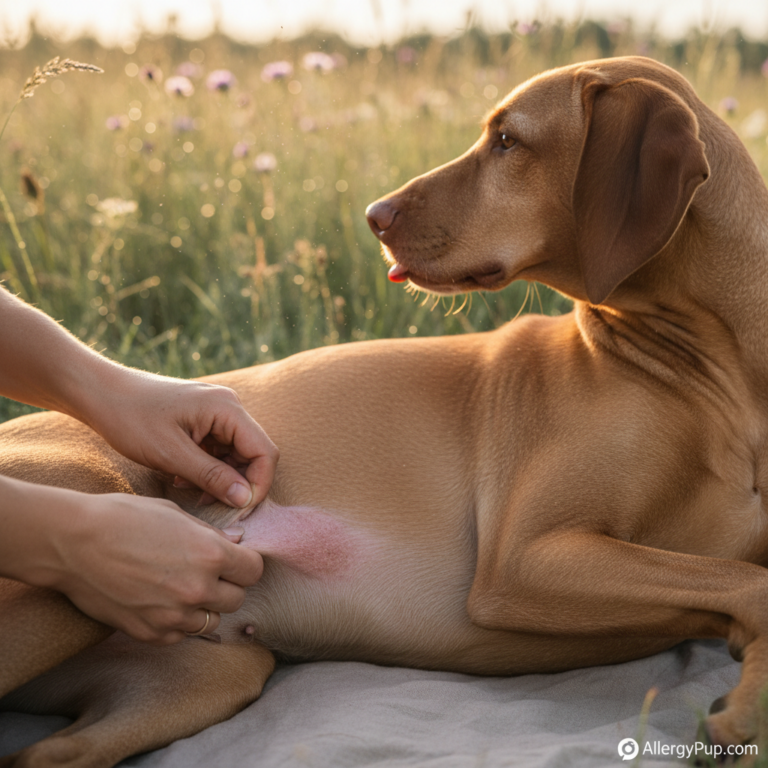
Physically, your vet should be checking for skin infections at every visit—often hidden under fur. But your role at home is bigger.
Keep a simple log. Not a novel. Just date, symptom, and severity (1-10). “May 10: less itchy but vomited once after breakfast.” That’s gold for us. It reveals patterns we’d never see in a 15-minute consult. I had a client whose log showed every episode of diarrhea coincided with a probiotic treat—it wasn’t the Apoquel at all. Data wins.
Combining Apoquel with Other Medications: What’s Safe?
Potential Interactions are a minefield. Some combos are fine. Others can amplify side effects or reduce efficacy.
The rule is simple but non-negotiable: your vet must have a complete list of everything your dog gets. This includes monthly preventatives, joint supplements, over-the-counter antihistamines, and especially any steroids. I’ve seen well-meaning owners add a leftover prednisone tablet during a flare and inadvertently stack immunosuppressive effects. Always discuss. Every single time.
Wrapping This Up
Managing a dog on Apoquel isn’t a set-it-and-forget-it deal. It’s an active partnership with your vet. Consistent monitoring for side effects is the price of admission for the relief it provides. Engage. Ask questions. Question the plan if something feels off. That engagement is what leads to a solid enough quality of life for your itchy friend.