
Last Updated on April 22, 2026 by Arlena Whitford
Look, ringworm is everywhere you look in my clinic. Up to 10% of the dogs I see are dealing with it. The itch is relentless, they’ll scratch ’til they’re raw, and the whole mess drags on for weeks if you don’t handle it right. So here’s the thing. How do you tackle this stubborn-as-hell fungal invader? Nine times out of ten, it boils down to these seven practical moves. Let’s get your dog comfortable.
Dog owners always ask about it because, frankly, it’s a nightmare. The management has to get woven into your daily routine, focusing on treatment and then that brutal environmental clean-up. You’ve gotta stay on top of the symptoms, it’s the only way to catch it early and actually shut it down.
At-a-Glance: Clinical Summary
Spotting the Problem: Signs and Symptoms
What are the Symptoms of Ringworm in Dogs?
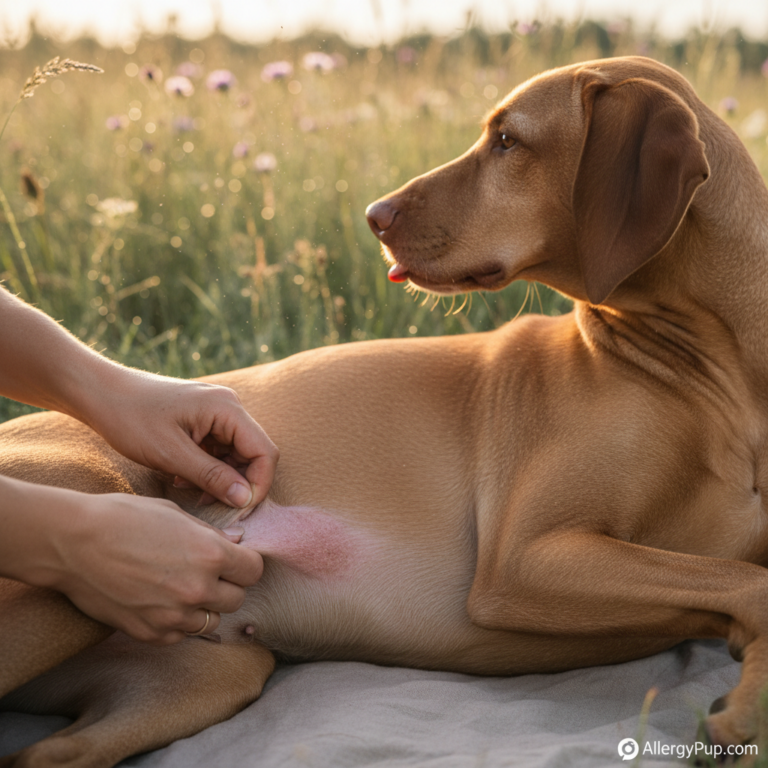
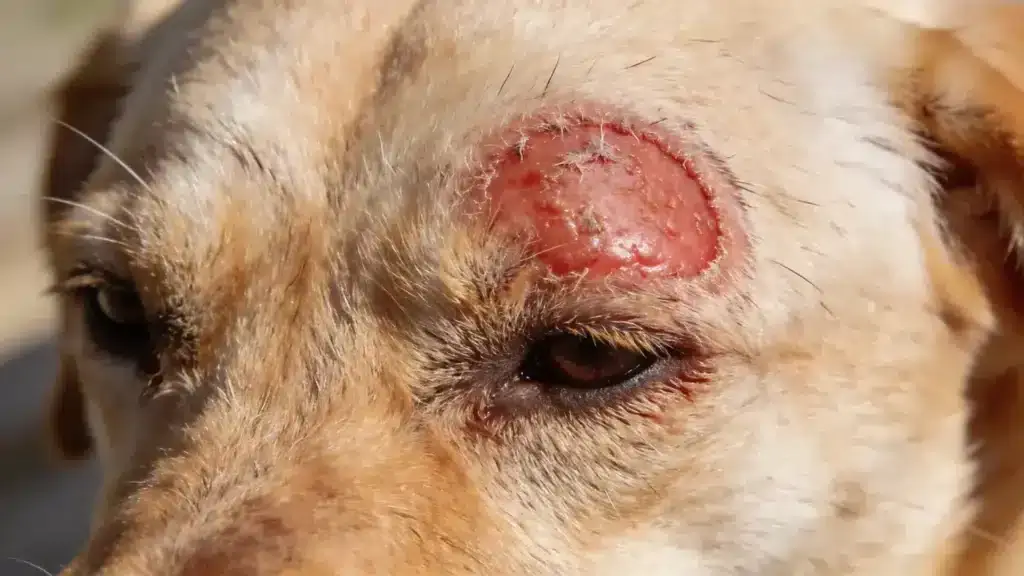
Usually, you’ll see circular, hairless patches. The skin there looks angry-red and feels crusty or scaly. Your dog will fixate on these spots—excessive scratching and biting are dead giveaways. Ignore it, and you’re inviting a secondary bacterial infection on top of the fungal one, a nasty combo that can take months to sort out. Tackling the itch effectively is crucial to break this cycle.
How the Infection Takes Hold
Truth is, ringworm isn’t a worm at all. It’s a fungal agent that lives on the outer layer of skin and hair shafts. Transmission is almost always direct: contact with an infected animal or a contaminated object like a brush, blanket, or your couch. The spores are tough and clingy, they can hang around for over a year in carpet. I’ve seen dogs get re-infected from their own supposedly-washed bed because the wash cycle wasn’t hot enough.
Getting a Diagnosis: What Really Happens at the Vet
How Do Vets Diagnose Ringworm?
We typically start with a Wood’s lamp examination because it’s quick. Some fungal species glow under that UV light. But honestly? Not all of them do. From what I’ve seen in practice, we almost always follow up with a microscopic check of hair or skin samples. The dual approach is non-negotiable for a real answer, the lamp is just a party trick half the time.
The Critical Role of Skin Scraping
A skin scraping lets us hunt for fungal elements under the surface. It’s a simple deal. We gently scrape the edge of a lesion and check the debris under the scope. This “clean scrape” is invaluable, it tells us exactly what we’re fighting and rules out other pests like mites. You can’t pick the right weapon if you don’t know the enemy, simple as that.
Treatment Protocols That Actually Work
What Are Effective Treatment Options?
- Topical Antifungals. First line of defense for small patches. We use creams or shampoos with miconazole or clotrimazole. Slap it right on the affected areas—and a good margin around them. Consistency matters more than anything here, owners hate the routine but it works. Choosing the right shampoo is critical, as seen in our guide on best dog shampoo for itch relief.
- Oral Antifungals. For widespread or stubborn infections, topicals aren’t enough. We need systemic help. Oral meds like griseofulvin or itraconazole work from the inside out. They’re reliably decent but need monitoring because they can sometimes hit the liver.
- Environmental Disinfection. This is the step everyone wants to skip, and it’s why infections come roaring back. Ringworm spores survive in your home for over a year. For hard surfaces, a diluted bleach solution is your best bet (1:10 or 1:32, depending). Test it on a hidden spot first. For soft stuff, hot water washes are key. Basically, you have to become a cleaning fanatic for a while.
- Supportive Skin Care. While the antifungals do their job, keep the skin comfortable. A vet-recommended moisturizer or spray can ease that maddening itch. Makes the whole process more tolerable for your dog, and for you listening to them scratch at 2 AM.
Prevention: A Smarter Approach
How Can You Prevent Future Infections?
- Routine Health Checks. Regular vet visits catch things early. I’ve lost count how many times clients miss early lesions hidden under thick fur, a professional once-over makes a difference.
- Limit Exposure. If you know another dog is being treated, pause the playdates. Wait for the all-clear. It’s not worth the risk, I’ve seen it jump through a whole kennel in a week.
- Hygiene Practices. Wash bedding and soft toys weekly in hot water. Wipe down bowls, crates, and frequented surfaces. Your dog’s environment is a massive part of the equation, even the fancy boutique beds can harbor spores if not washed right.
- Boost Immune Health. Invest in solid enough nutrition that supports the skin. A dog with a passable immune system is harder for any pathogen to take hold. Sometimes a simple dietary tweak is all it takes.
The Long Game: Managing This For Your Dog

Look, these fungi are pervasive. Long-term management boils down to vigilance and not cutting corners. Keep up the hygiene habits even after the symptoms fade. Schedule follow-up visits to confirm the infection is truly gone, not just hiding. Early detection and a thorough, slightly annoying, multi-pronged attack is the only way. It reduces suffering and gets your dog back to normal.
FAQ Section
In the end, dealing with ringworm is about respecting the enemy. It’s a tenacious infection that demands a full-court press. A solid treatment plan, relentless cleaning, and a watchful eye are your best tools. Keep your vet in the loop. That’s the whole trick.